Alta Murgia
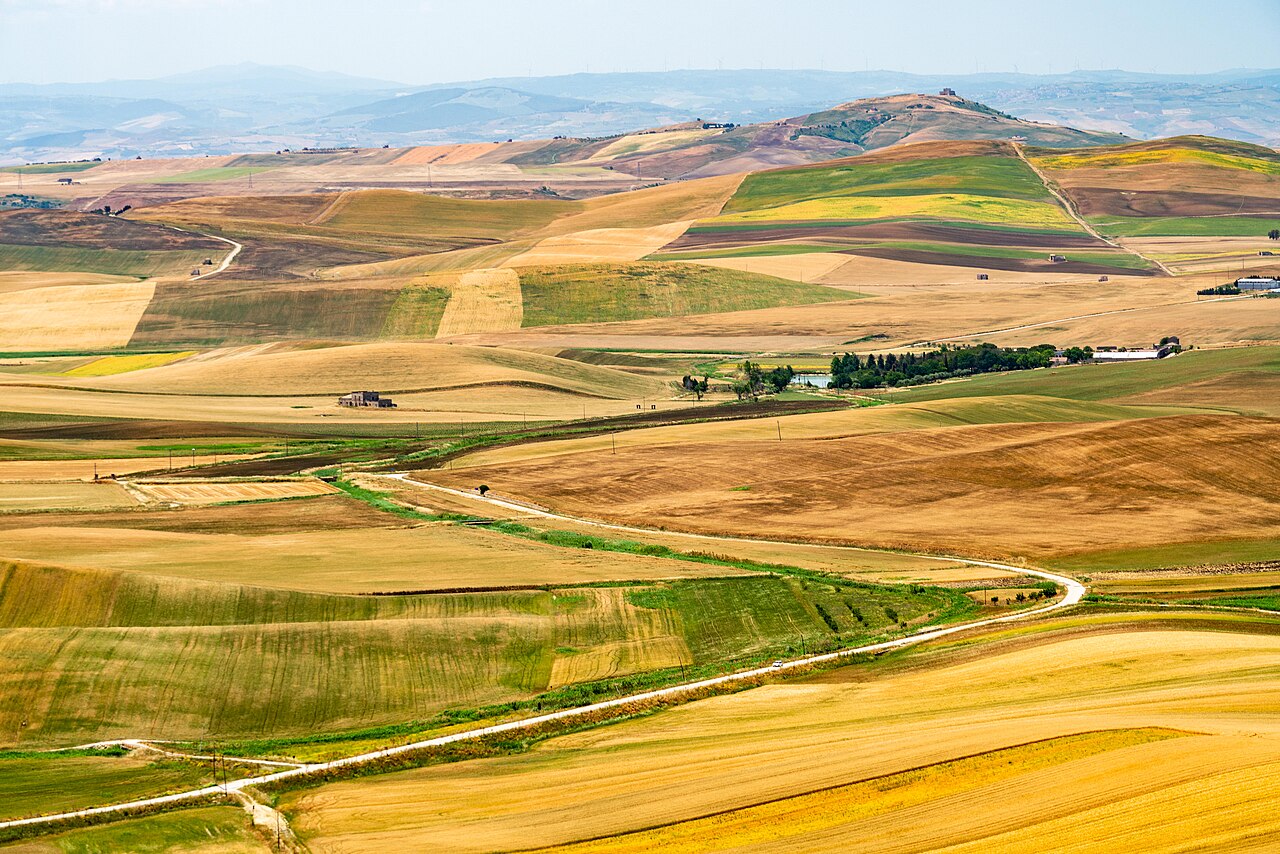
The Alta Murgia is not merely a plateau, but a ripple of the Apulian soul that rises far from the sea, offering an almost metaphys...
Updated 10 July 2026
Alta Murgia
Towns in the area
Discover the territoriesThe story
The story of Alta Murgia
A history carved in stone and time
The origins of the Alta Murgia reach back into a remote geological past, when the entire area was a seabed populated by prehistoric creatures. As the land rose, karst erosion shaped the territory's present face, creating caves, sinkholes and ravines. Humans have inhabited these lands since the Paleolithic, as shown by the exceptional remains of the Altamura Man and the thousands of dinosaur footprints found in the quarries. Over the centuries, the plateau has been a land of passage and conquest: from the Peucetians to the Romans, who traced the Appian Way here, up to Norman-Swabian rule. It was precisely under Frederick II that the Alta Murgia became the stage for an ambitious political and architectural vision, transformed into an imperial hunting reserve dotted with castles and residences. The later age of transhumance then defined the social and economic order, indissolubly tying the fate of local populations to the drove roads and sheep farming.
Castel del Monte: the stone crown
Isolated on a hill overlooking the entire plateau, Castel del Monte stands as an architectural enigma of unrivalled perfection. Commissioned by Frederick II in the 13th century, this stronghold conforms neither to the canons of a typical defensive fortress nor to those of a pleasure residence. Its octagonal plan, with eight equally octagonal towers, is a masterpiece of geometric rigour and numerical symbolism that blends elements of classical antiquity, the Islamic East and northern European Gothic. Declared a UNESCO World Heritage Site, the castle is a temple of light: the arrangement of its halls and windows was designed to create unique plays of shadow and sunlight during the solstices and equinoxes. Walking through its courtyards means coming into contact with the thinking of a sovereign who sought universal harmony, in a place that still today leaves scholars and visitors questioning its true original purpose.
Altamura Cathedral: the Frederician jewel
In the heart of Altamura's historic centre stands the only cathedral of imperial foundation commissioned directly by Frederick II. Built starting in 1232, the Cathedral of Santa Maria Assunta is an extraordinary example of Apulian Romanesque enriched by later Gothic and Baroque additions. Its most iconic feature is the spectacular 14th-century portal, one of the richest and most detailed in Italy, where the stone seems to soften to narrate, through meticulous carvings, the life of Christ. The two tall bell towers and the central rose window dominate the square, while inside one breathes an atmosphere of solemn sacredness, amid gilded coffered ceilings and an imposing wooden choir. The cathedral is not merely a religious monument but the symbol of the city's rebirth, which Frederick wished to repopulate to make it a loyal outpost at the heart of his Apulian lands.
Gravina di Puglia: the city suspended over the canyon
Gravina di Puglia offers one of the most dramatic and fascinating settings in the entire region. The town literally overlooks a deep ravine, a canyon carved over millennia by a mountain stream, offering breathtakingly vertiginous views. The Madonna della Stella viaduct bridge, an imposing arched structure joining the two sides of the ravine, is the symbol of the bond between the modern town and the ancient rock-hewn settlement. Exploring Gravina means descending into the bowels of the earth to discover the underground city, a labyrinth of caves, cellars and rock-cut churches carved into the tufa, where life continued for centuries far from the light of day. The churches of San Michele delle Grotte and San Vito Vecchio are precious testimonies to this rock-hewn civilisation, with frescoes emerging from the darkness of the rocky walls.
Il Pulo di Altamura: the Murgia's abyss
Il Pulo di Altamura represents the ultimate expression of karst phenomena on the plateau. It is a collapse sinkhole of colossal proportions: an almost circular chasm about 500 metres in diameter and reaching a depth of 75 metres. This natural amphitheatre, created by the collapse of the vaults of enormous underground cavities, offers a breathtaking geological spectacle. Its steep walls are dotted with caves that have sheltered human settlements since prehistoric times, while the floor of the sinkhole enjoys a particular microclimate that favours lush vegetation, in stark contrast to the surrounding aridity. It is a place of great evocative power, where the force of nature manifests itself in all its might, inviting silence and contemplation of a landscape that seems to belong to another planet.
The Altamura Man and the Lamalunga Cave
A few kilometres from Altamura, within the Lamalunga karst system, lies a palaeoanthropological treasure unique in the world: the Altamura Man. This is the skeleton of a Neanderthal who lived around 150,000 years ago, trapped in a natural shaft and today entirely covered by coralloid calcite formations. This find is exceptional not only for its completeness but for its state of preservation, which allows the DNA and morphology of one of our distant ancestors to be studied as nowhere else on Earth. Although the original skeleton is not accessible to the public for conservation reasons, the museum and visitor centre offer a scientific and immersive reconstruction that helps convey the importance of this discovery, which rewrote part of the story of human evolution in Europe.
The Jazzi and the architecture of transhumance
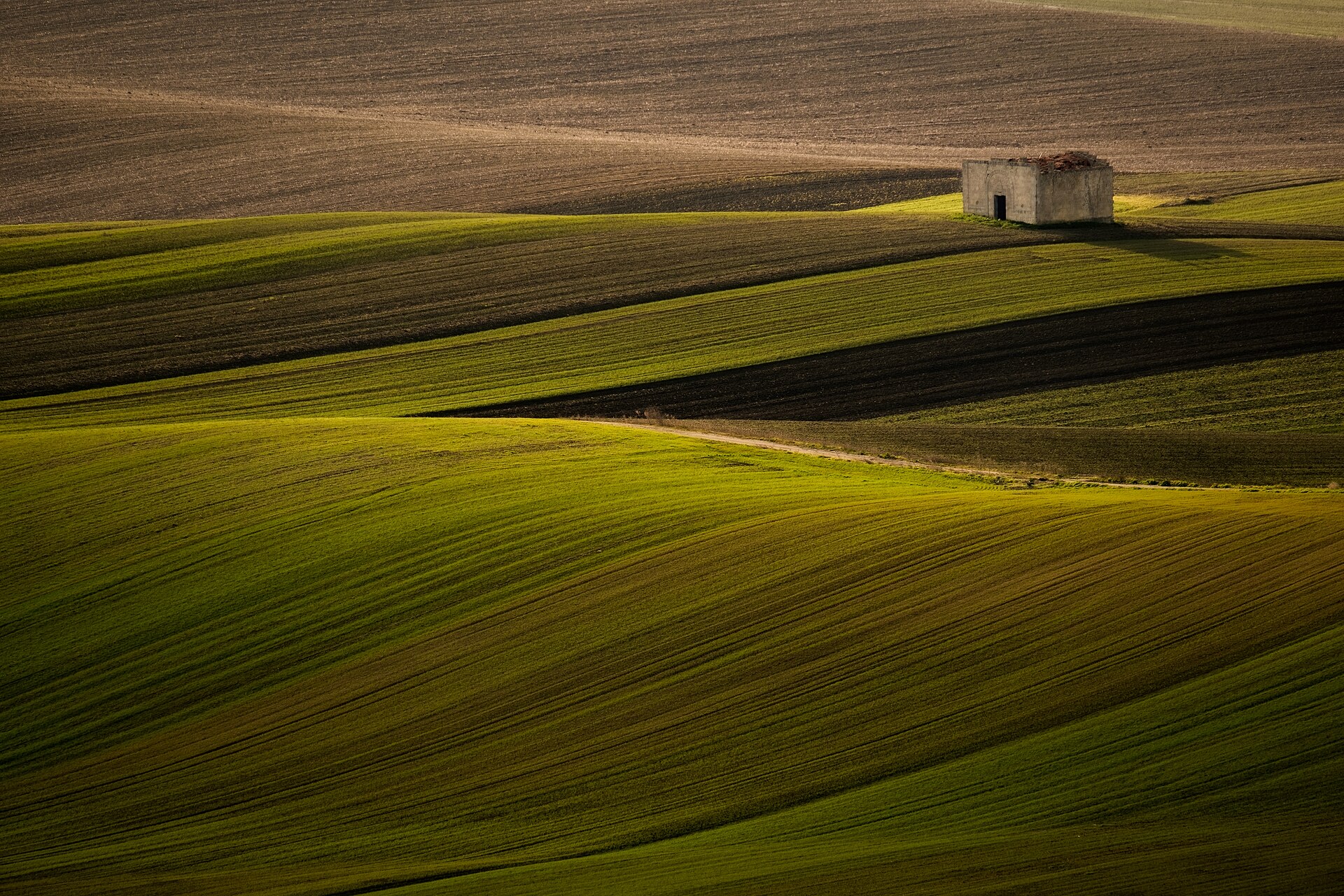
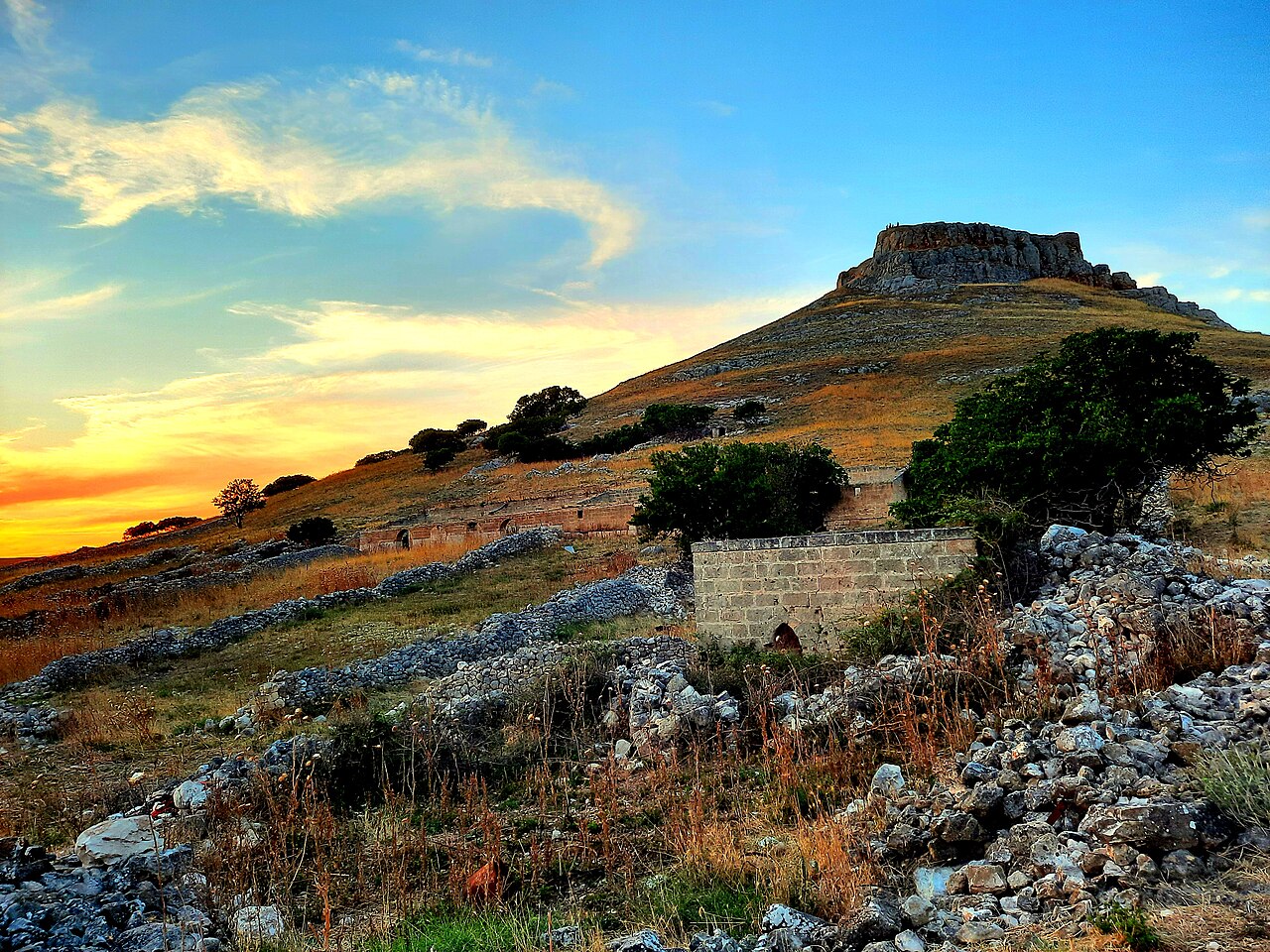
The landscape of the Alta Murgia is dotted with unique rural structures, born to meet the needs of nomadic sheep farming: the jazzi. These dry-stone constructions, usually facing south to shelter livestock from the cold northern winds, are masterful examples of spontaneous, sustainable architecture. Each jazzo is an articulated complex comprising enclosure walls, milking areas and small shelters for the shepherds, often integrated with rainwater collection systems. Alongside the jazzi stand the Murgian trulli, different from those of Alberobello for their purely agricultural function and their squatter, more rustic shape. These structures are not mere ruins but the custodians of a civilisation that knew how to use the land's most abundant resource — stone — to create a way of life perfectly integrated into the plateau's ecosystem.
Nature and biodiversity: the Mediterranean pseudo-steppe
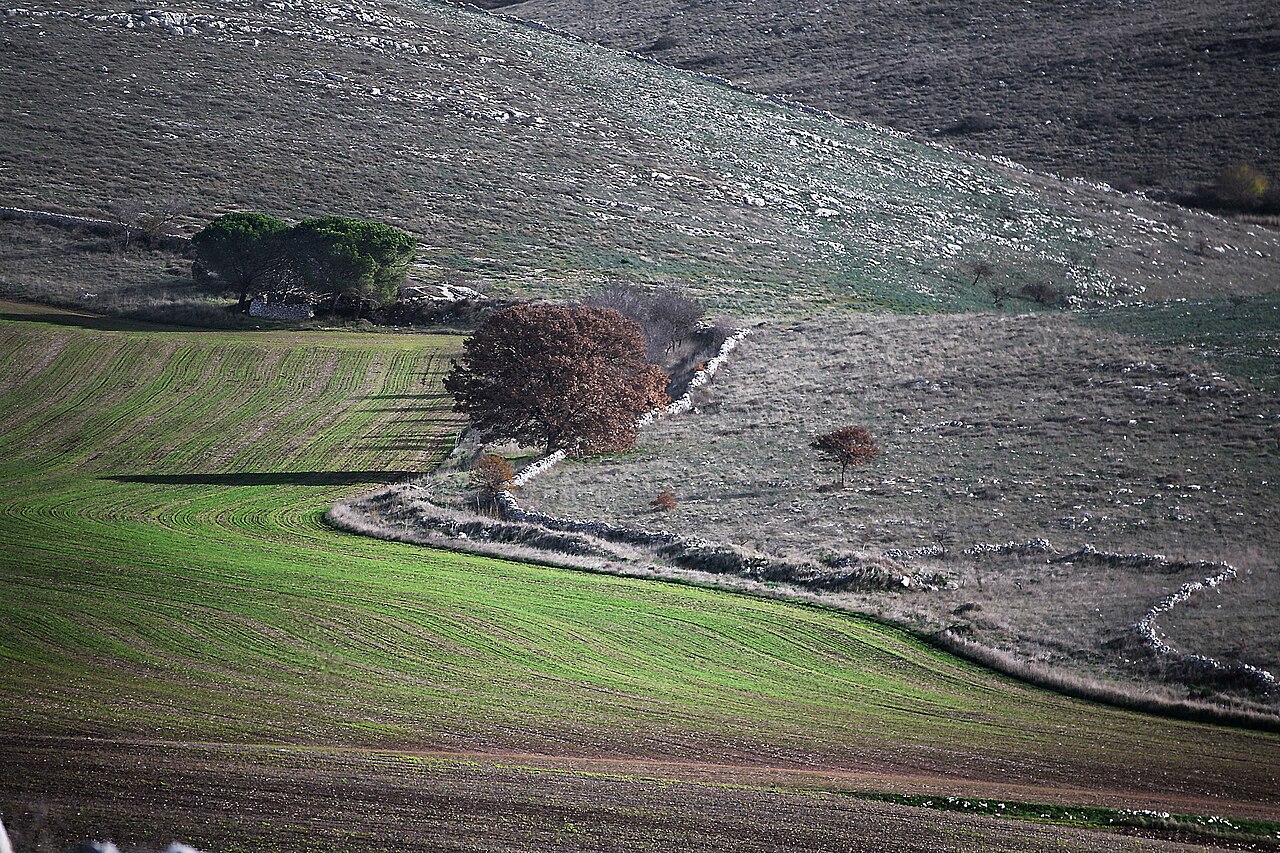
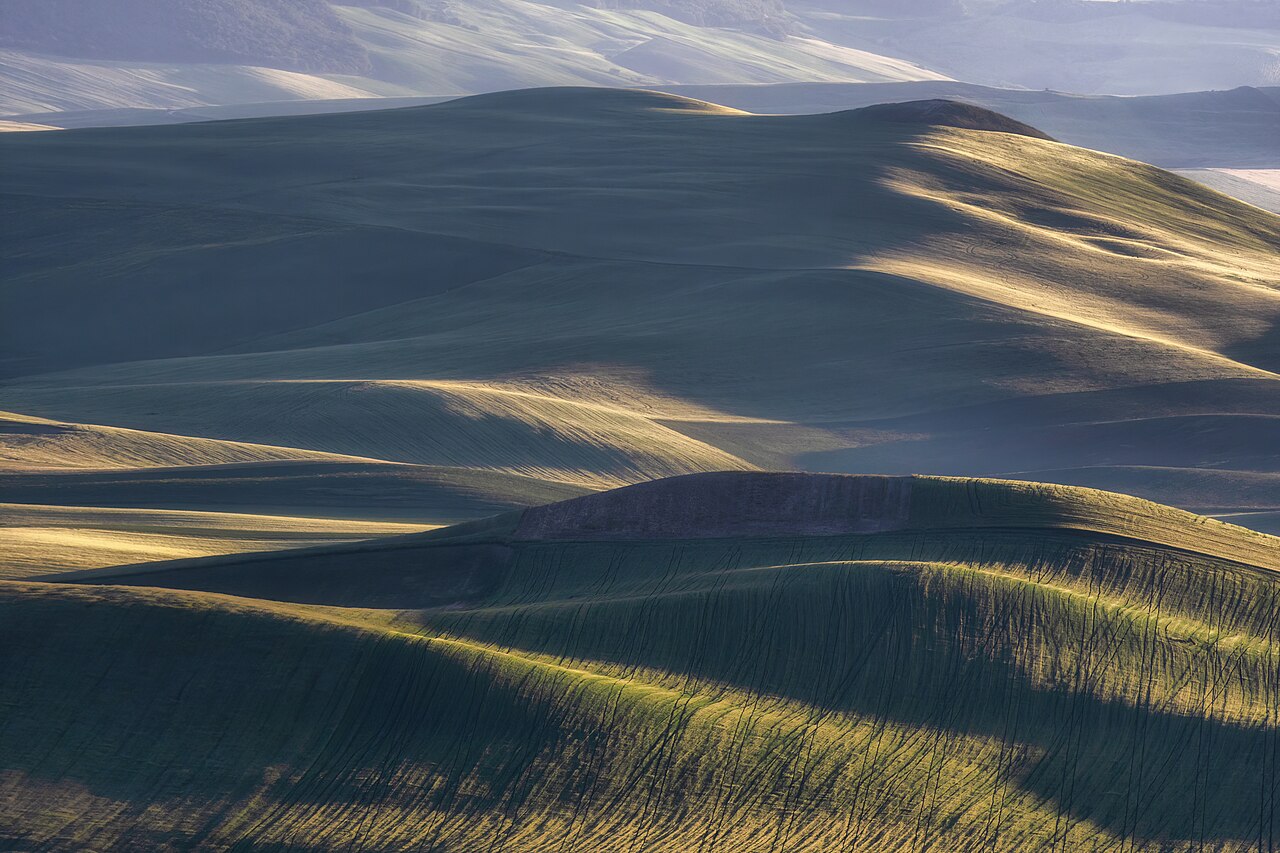
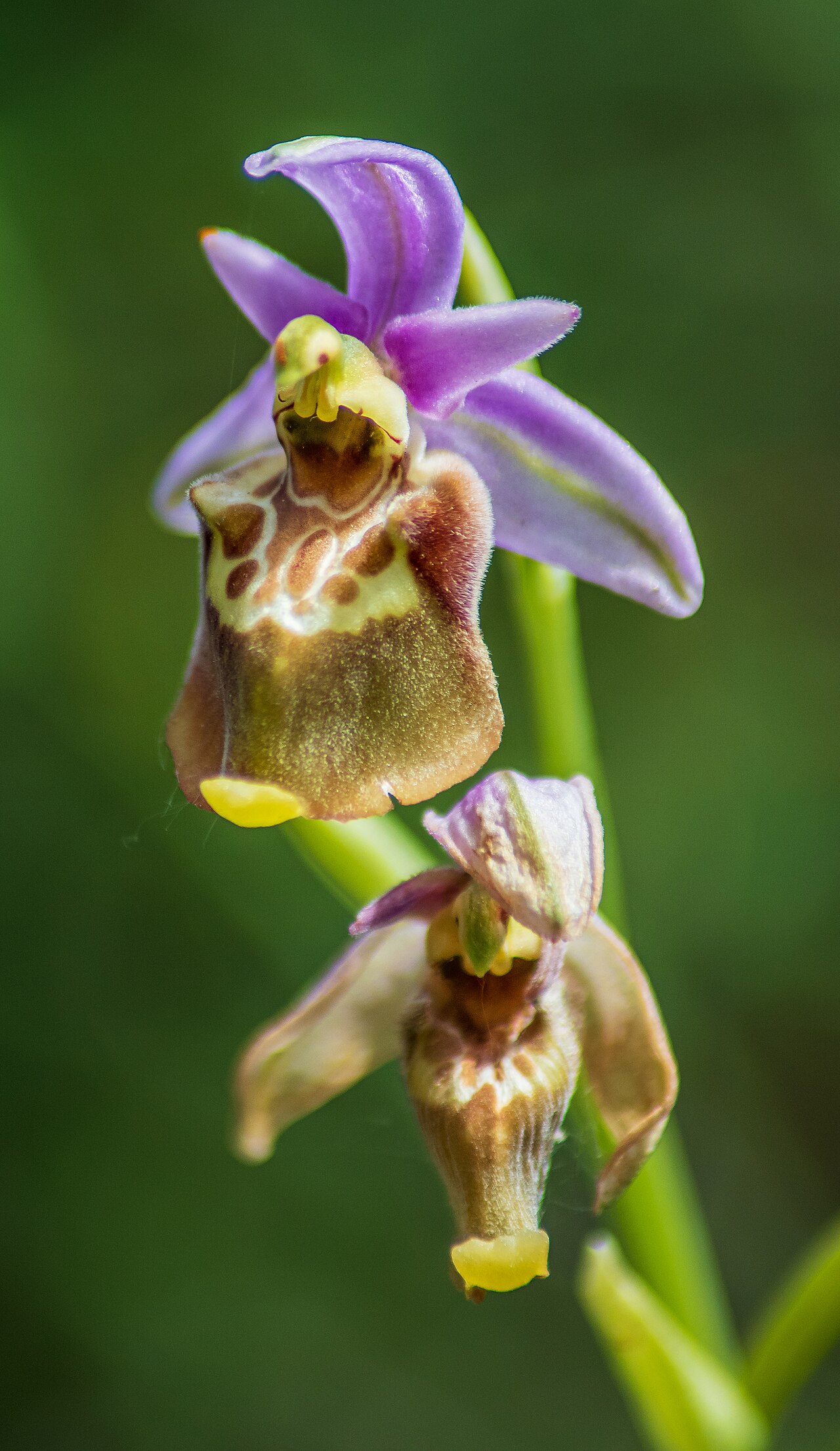
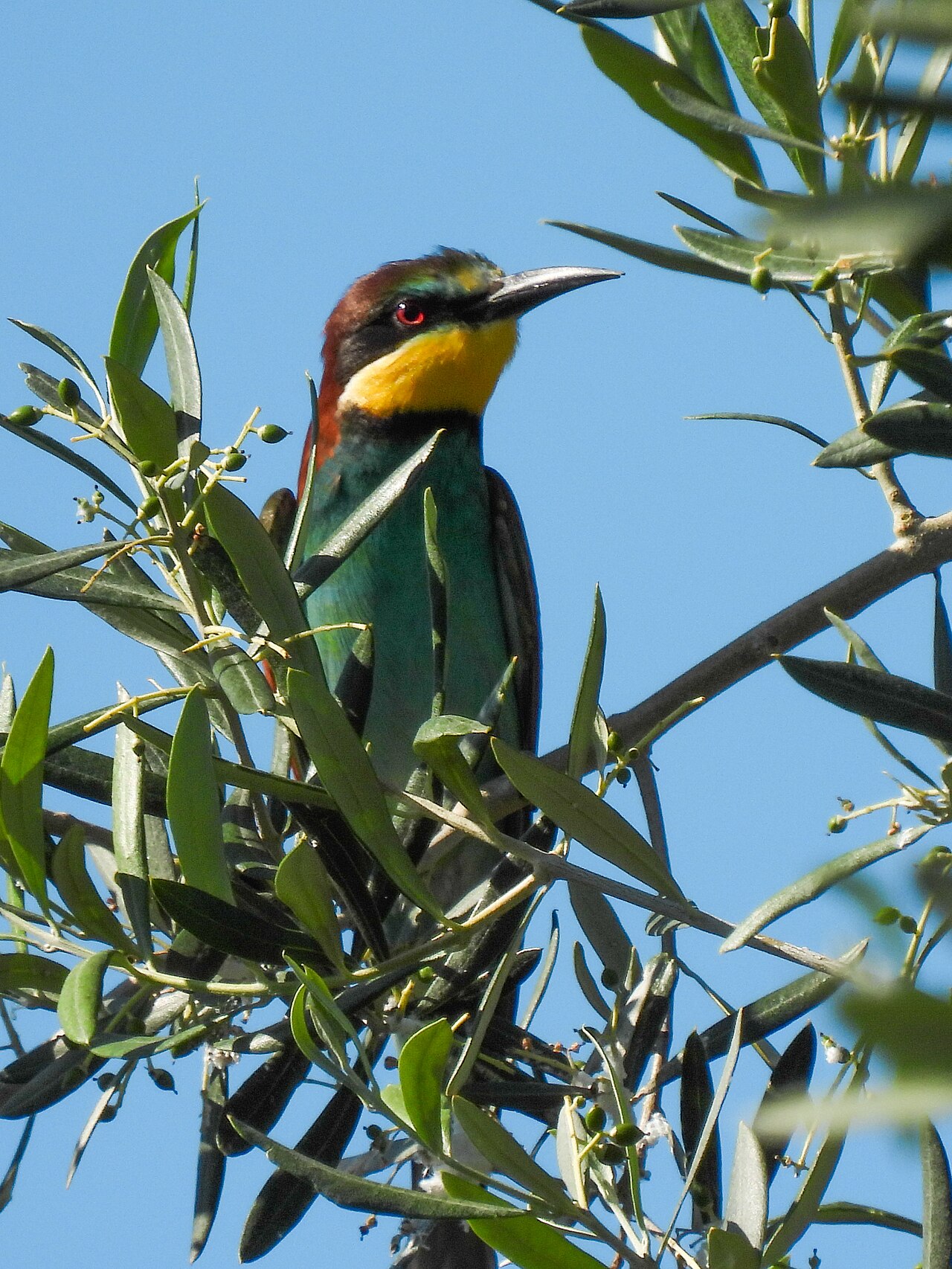
The Alta Murgia is home to one of the largest areas of pseudo-steppe in Europe, a rare and precious ecosystem characterised by grasslands of grasses such as Stipa austroitalica, locally known as 'fairy flax'. In spring, this seemingly arid landscape bursts into a surprising bloom of wild orchids, irises and asphodels. It is the realm of birds of prey: the lesser kestrel, a small and elegant migratory species, has chosen the crevices of historic buildings and the rocks of the Murgia to nest, becoming the symbol of the National Park. Walking along the trails, it is not uncommon to spot foxes, porcupines and badgers, or come across the tracks of wolves that have returned to inhabit these highlands. Biodiversity here is subtle but profound, tied to a delicate balance that the establishment of the park seeks to preserve from the advance of intensive agriculture.
Authentic flavours: Altamura Bread and the treasures of the land
The gastronomy of the Alta Murgia is the offspring of a poor land, yet generous in bold flavours. The undisputed star is Altamura Bread PDO, famed for its crunchy crust and pale straw-yellow crumb, made exclusively from local durum wheat semolina. Once a staple food of the shepherds, this bread keeps its fragrance for many days, a symbol of a culture that allows no waste. Murgian cuisine is further enriched by the cardoncello mushroom, which grows wild among the rocks and among the roots of thistle plants, prized for its meaty texture. There is no shortage of bold meat flavours either, such as 'pepazzidd'' (mutton slow-cooked in terracotta pots) and goat and sheep cheeses. All of this is accompanied by the DOC wines of Gravina and the scents of wild herbs that perfume every dish, from lampascioni (wild hyacinth bulbs) to wild chicory greens.
Unmissable experiences in the Alta Murgia
- Admire the sunset from Castel del Monte, when the limestone turns pink and gold.
- Taste freshly baked Altamura Bread at one of the old wood-fired ovens in the historic centre.
- Walk or mountain-bike a stretch of the ancient transhumance drove roads.
- Visit the underground city of Gravina di Puglia to discover a world carved into the tufa.
- Join a guided excursion to Il Pulo di Altamura to observe karst phenomena up close.
- Watch the flight of the lesser kestrels as they soar over the towns at dusk.
- Explore the village of Minervino Murge, nicknamed the 'lighthouse of Puglia' for its panoramic position.
When to go and how to experience the plateau
The best time to visit the Alta Murgia is undoubtedly spring, between April and June, when temperatures are mild and the plateau turns into a multicoloured carpet of wildflowers. Autumn too offers clear days and warm colours, ideal for trekking and cultural visits. Summer can be very hot and dry, with a relentless sun that makes excursions during the central hours tiring, but it offers cool, breezy evenings. Winter, on the other hand, reveals the Murgia's rawest and most fascinating face, with fog wrapping around the farmhouses and, occasionally, snow whitening the hills, creating an atmosphere of magical isolation. To fully experience the area, the advice is to move slowly, favouring the back roads and staying at one of the many educational farmhouses or agritourism estates, where hospitality is still a sacred rite tied to the land.
To see
What to see in Alta Murgia
Routes · Trovido Route
Routes in Alta Murgia
Jobs · JobFlow