Argasi
Nestled at the foot of the majestic Mount Skopos, along the eastern coast of the island of Zakynthos, Argasi presents itself as on...
Updated 7 July 2026
This season · July · Summer
What to do in Argasi now
The story
The story of Argasi
Historical roots between nobility and resilience
The history of Argasi is deeply linked to that of the nearby town of Zakynthos and to Venetian rule, which left an indelible mark on the local architecture and culture. Originally, the hamlet was a residential area favoured by the island's noble families, drawn by the coolness of the water springs and the fertility of the land at the foot of the mountain. During the period of the Republic of Venice, the area was dotted with stately villas and lush gardens. However, Argasi's fate was dramatically marked by the earthquake of 1953, which destroyed much of the historic building heritage. Despite the devastation, the community managed to rebuild its identity, transforming from an agricultural, aristocratic village into one of the most dynamic tourist destinations, while still bearing visible scars and monumental remains that tell of its ancient glory.
The Venetian Bridge of Vrysakia
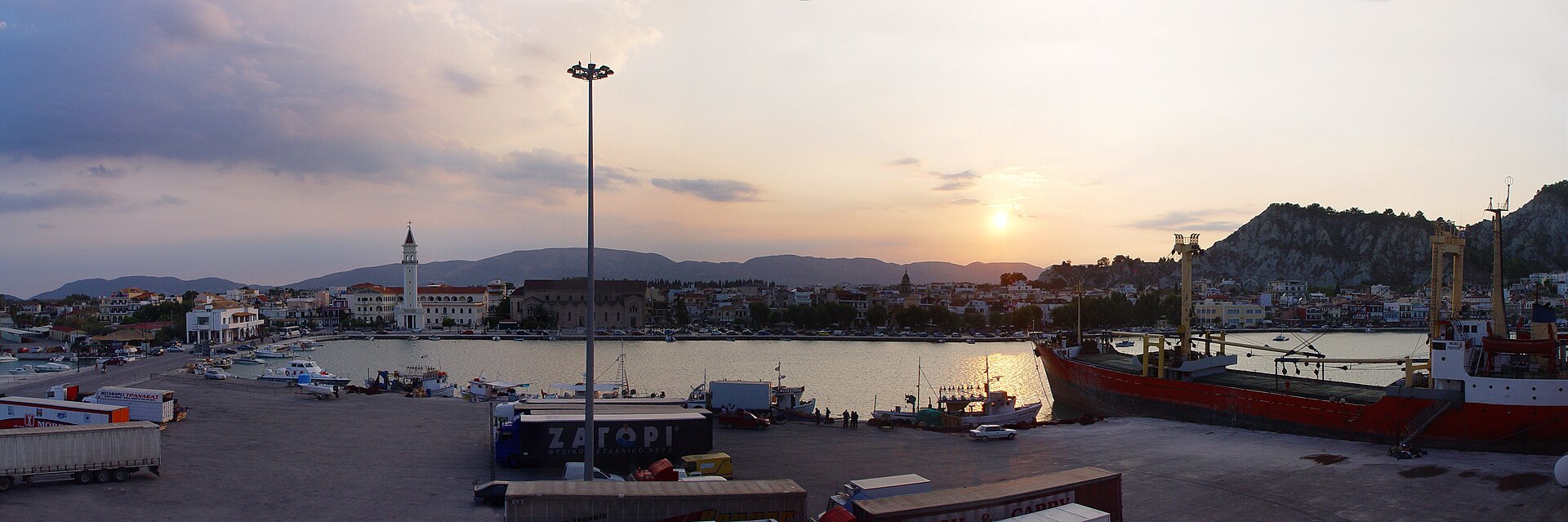
The undisputed symbol of Argasi is without doubt its Venetian bridge, known as Vrysakia, a structure that today appears as a surreal apparition in the middle of the sea. Originally built in 1885, the bridge was part of the main coastal road connecting the town of Zakynthos to the rest of the island. Due to coastal erosion and the progressive rise in sea level, the structure now stands several metres from the shore, partially submerged by the Ionian waters. Its three stone arches, though worn by time and salt, endure with a melancholy dignity. It represents not only an exceptional photographic landmark but also a visible reminder of the geological changes that have affected the eastern coast of Zakynthos over the last two centuries, becoming the most iconic and beloved monument of the coastline.
The Monastery of Panagia Skopiotissa
Perched atop Mount Skopos, at an altitude of about 483 metres, the Monastery of Panagia Skopiotissa dominates Argasi and the entire island. Built in the 15th century on the ruins of an ancient temple dedicated to Artemis, this sacred place is a masterpiece of Byzantine and post-Byzantine architecture. The church, built in the shape of a cross with a central dome, houses precious frescoes and a finely crafted iconostasis inside. The path leading to the monastery starts right from Argasi and, although demanding, rewards visitors with a panoramic view embracing the entire coast, the Peloponnese and the island of Cephalonia. It is a place of deep spirituality and silence, where the white stone of the structure contrasts with the blue of the sky and the dark green of the surrounding Mediterranean scrub, making it an essential stop for lovers of history and trekking.
The remains of the Church of Agios Spyridon
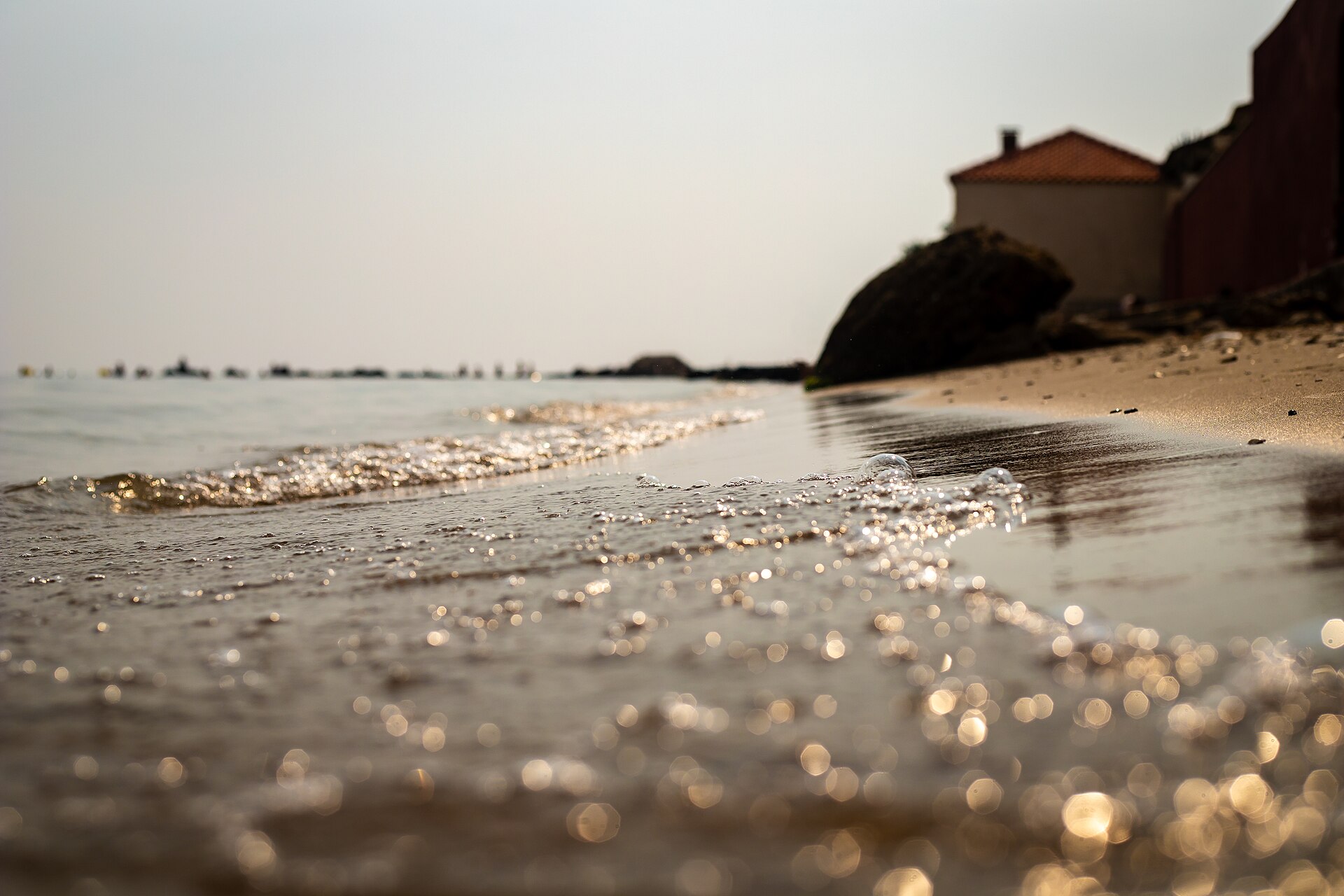
Along the coast of Argasi, not far from the Venetian bridge, lie the evocative remains of the Church of Agios Spyridon. Once the religious heart of the coastal community, the building was almost entirely razed to the ground by the 1953 earthquake. Today only a few perimeter walls and part of the apse structure remain visible, emerging among the vegetation and sand. These ruins are not just an architectural testimony of island faith, but represent a place of collective memory. Their location, just steps from the sea, creates a suspended, poetic atmosphere, especially at sunset, when the golden light caresses the ancient stones, reminding passers-by of the fragility and enduring beauty of Zakynthos's cultural heritage.
Nature and landscape: between sea and mountain
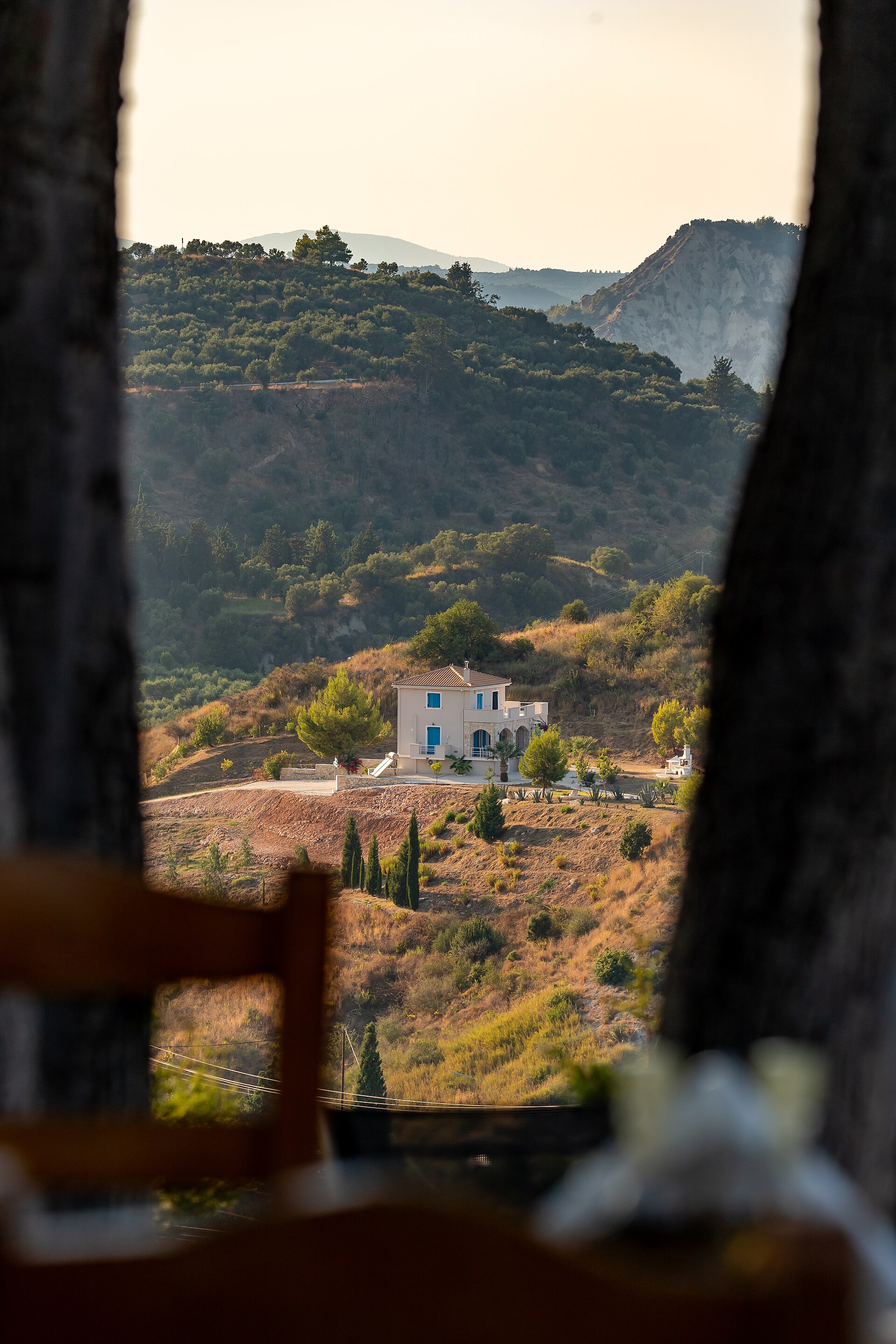
The landscape of Argasi is characterised by a fascinating duality: on one side the narrow coastal strip, on the other the imposing Skopos massif. Argasi beach is a thin strip of sand and pebbles, lapped by shallow, calm waters ideal for families. However, the true natural strength of the place lies in its hinterland. The mountain slopes are covered with lush vegetation made up of centuries-old olive trees, pines and aromatic shrubs. This configuration creates a pleasant microclimate, where the sea breeze cools the hot summer days. Exploring the paths that climb inland, one discovers corners of unspoiled nature, far from the tourist bustle, where it is possible to spot various species of migratory birds and enjoy a typically Mediterranean biodiversity that bursts into colourful blooms during spring.
Experiences not to be missed in Argasi
- Admire the Venetian Bridge of Vrysakia at first light for unique photographs.
- Set off on a hike or mountain bike ride to the summit of Mount Skopos.
- Dine at one of the seaside taverns, savouring fresh fish with your feet almost in the water.
- Explore the hidden coves of the nearby Vasilikos peninsula, easily reached in just a few minutes.
- Visit the remains of the old noble villas and medieval churches scattered across the area.
- Enjoy the nightlife along the main street, full of atmospheric bars and venues.
Traditions, flavours and popular culture
The culture of Argasi reflects the hospitable soul of Zakynthos, an island that has always known how to welcome different influences and turn them into its own traditions. Local gastronomy is a triumph of genuine flavours: you cannot leave the village without tasting 'sartsa', a dish made with beef, tomato, garlic and the typical ladotyri cheese, or traditional sweets such as mandolato and pasteli. During the summer, it is not uncommon to come across evenings of live music featuring 'kantades', the traditional Zakynthian serenades of Venetian origin that still move listeners today with their sweetness. Social life is centred on the squares and along the shoreline, where the ritual of Greek coffee and the pleasure of unhurried conversation still represent the beating heart of local daily life.
Surroundings: the Vasilikos Peninsula
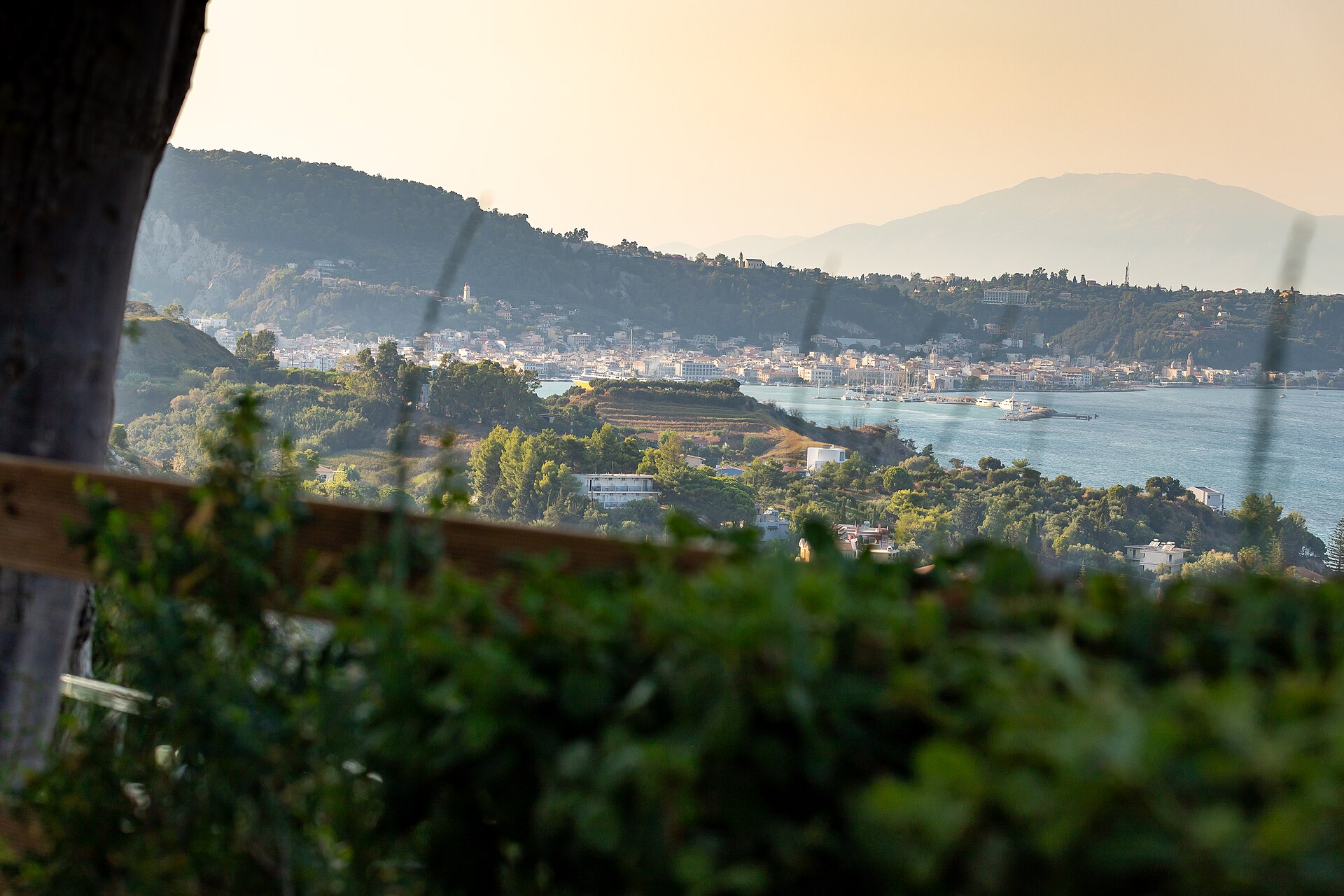
Argasi serves as the perfect base for exploring the Vasilikos peninsula, considered the most unspoiled and wild area of Zakynthos. A short distance away are some of the island's most beautiful beaches, such as Porto Zoro, characterised by huge rock formations emerging from the water, and Banana Beach, famous for its vastness and golden dunes. Continuing south, you reach Gerakas, a protected nature reserve where Caretta caretta turtles lay their eggs. This proximity allows visitors to alternate between the liveliness of Argasi's amenities and the absolute peace of bays immersed in pine greenery, offering a complete travel experience that combines fun, seaside relaxation and respect for the natural environment.
When to go and how to experience the place
The best time to visit Argasi runs from May to October. Spring is magical for those who love trekking and nature, thanks to mild temperatures and the blooming of Skopos. July and August are the liveliest months, ideal for those seeking nightlife and a cosmopolitan atmosphere, although temperatures can be high. September offers a perfect balance: the sea is still warm, crowds thin out and the light becomes softer, ideal for enjoying the historical heritage in tranquillity. To experience Argasi at its best, the advice is to explore it on foot or hire a vehicle to travel to the nearby beaches, letting yourself be guided by curiosity to discover the small paths that wind up the mountain, where time seems to have stood still.
FAQ
Com'è la spiaggia di Argasi?
Argasi è una località rumorosa?
Quanto dista Argasi dalla città di Zante?
È necessario noleggiare un'auto?
Getting there
- Aeroporto Internazionale di Zante 'Dionysios Solomos' (ZTH) - 6 km
- Non sono presenti linee ferroviarie sull'isola.
- Da Zante Town seguire le indicazioni verso sud-est per Argasi/Vasilikos. La strada costiera è asfaltata e facilmente percorribile.
- Se arrivate in traghetto al porto di Zante, Argasi è raggiungibile in pochi minuti di taxi o con i bus locali (KTEL) che passano frequentemente.
Perfect for
Perfetta per chi ama scoprire rovine veneziane, ponti storici sommersi e monasteri bizantini isolati.
Offre una vasta scelta di cocktail bar, club e taverne tradizionali per serate animate ma eleganti.
Il Monte Skopos offre sentieri panoramici tra i più belli dell'isola, immersi nella macchia mediterranea.
To see