Ayia Evfimia
Suspended between the clear azure of the Ionian Sea and the silvery green of olive groves climbing the slopes of Mount Agia Dynati...
Updated 7 July 2026
The story
The story of Ayia Evfimia
A story of resilience and sea
The origins of Ayia Evfimia go back to a distant past, indissolubly linked to the maritime vocation of the island of Kefalonia. Although the present-day settlement has a predominantly modern face, the area has been inhabited since Roman times, as testified by archaeological remains found nearby. During the centuries of Venetian rule, the village served as a strategic stop for the trade of oil and wine, prized products of the Pylaros valley. However, the watershed date for the local community is 1953, the year in which a violent earthquake razed most of the historic buildings to the ground. The reconstruction was an act of collective love: the inhabitants preserved the original urban layout, maintaining the visual link with the sea and honouring the name of the Patron Saint, Saint Euphemia, to whom the main church is dedicated and who gives her name to the whole municipality.
The Tourist Harbour: the beating heart
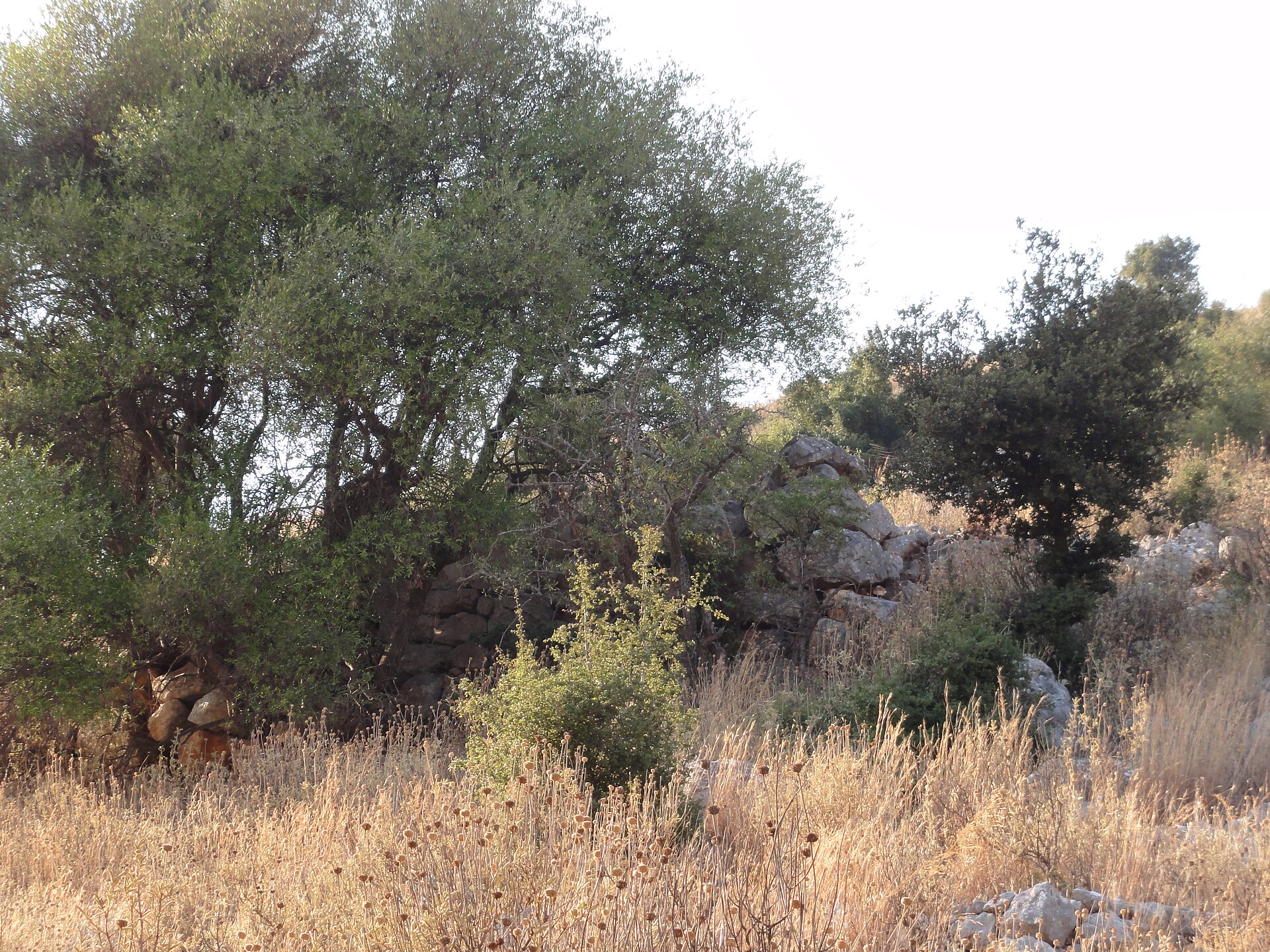
The harbour of Ayia Evfimia is much more than a simple mooring; it is the community's living room. During the summer months, quays and jetties fill up with sailors from all over the world, drawn by the safety of its waters and the quality of its services. Despite the presence of luxurious yachts, the harbour retains a picturesque character thanks to the small local fishing boats that unload their fresh catch every morning. Walking along the quay means immersing yourself in a cosmopolitan microcosm where different languages cross paths, but where the pace is set by the slow beat of the waves. This is where social life is concentrated, among historic cafés and discreet boutiques, offering a privileged view of the island of Ithaca standing on the horizon, almost within reach.
The Church of Ayia Evfimia
Located centrally, the church dedicated to Saint Euphemia represents the spiritual heart of the village. The current building, rebuilt after 1953, is an example of contemporary Greek religious architecture that incorporates elements of local tradition. Inside, the atmosphere is intimate and solemn, enriched by finely worked icons and an iconostasis that testifies to the skill of the island's craftsmen. The patronal feast, celebrated on 11 July and 16 September, is a moment of extraordinary popular participation: the village fills with sounds, processions and celebrations that unite the sacred with the profane, offering visitors an authentic glimpse into Kefalonian devotion and hospitality.
The Roman Mosaics and ancient heritage
A short distance from the village, history enthusiasts can discover the remains of a Roman villa, known above all for its mosaic floors. These mosaics, dating from the late Roman period, display geometric and figurative motifs of remarkable craftsmanship, suggesting that Ayia Evfimia was already a place of some economic and residential importance in antiquity. The presence of these remains, though less imposing than other Greek sites, adds historical depth to the landscape, reminding us that the beauty of this stretch of coast has been appreciated and inhabited for millennia. A visit to these small archaeological sites allows a better understanding of the evolution of the territory and the ancestral bond between the inhabitants and their land.
The coves of the eastern coast
Along the coastal road connecting Ayia Evfimia to Sami, numerous small coves of white pebbles follow one another, washed by waters of an almost surreal transparency. These coves, such as Lithovatis, are small corners of paradise, ideal for those seeking tranquillity away from the more crowded beaches. The rocky seabed makes the area a prime spot for snorkelling: among the underwater crevices you can observe rich marine life and posidonia meadows. Many of these beaches can only be reached on foot via short paths or by sea, guaranteeing an intimate bathing experience in close contact with the island's wild nature.
Not-to-be-missed experiences
- Rent a small motorboat to explore the secluded coves accessible only from the sea.
- Walk the trails leading to the abandoned inland villages, silent witnesses to the 1953 earthquake.
- Enjoy a dinner of the freshest fish in one of the taverns overlooking the harbour at sunset.
- Take part in a diving excursion to discover the secrets of the rocky seabed along the eastern coast.
- Buy local thyme honey and extra virgin olive oil from the small producers of the Pylaros valley.
Landscape and Nature: between sea and mountain
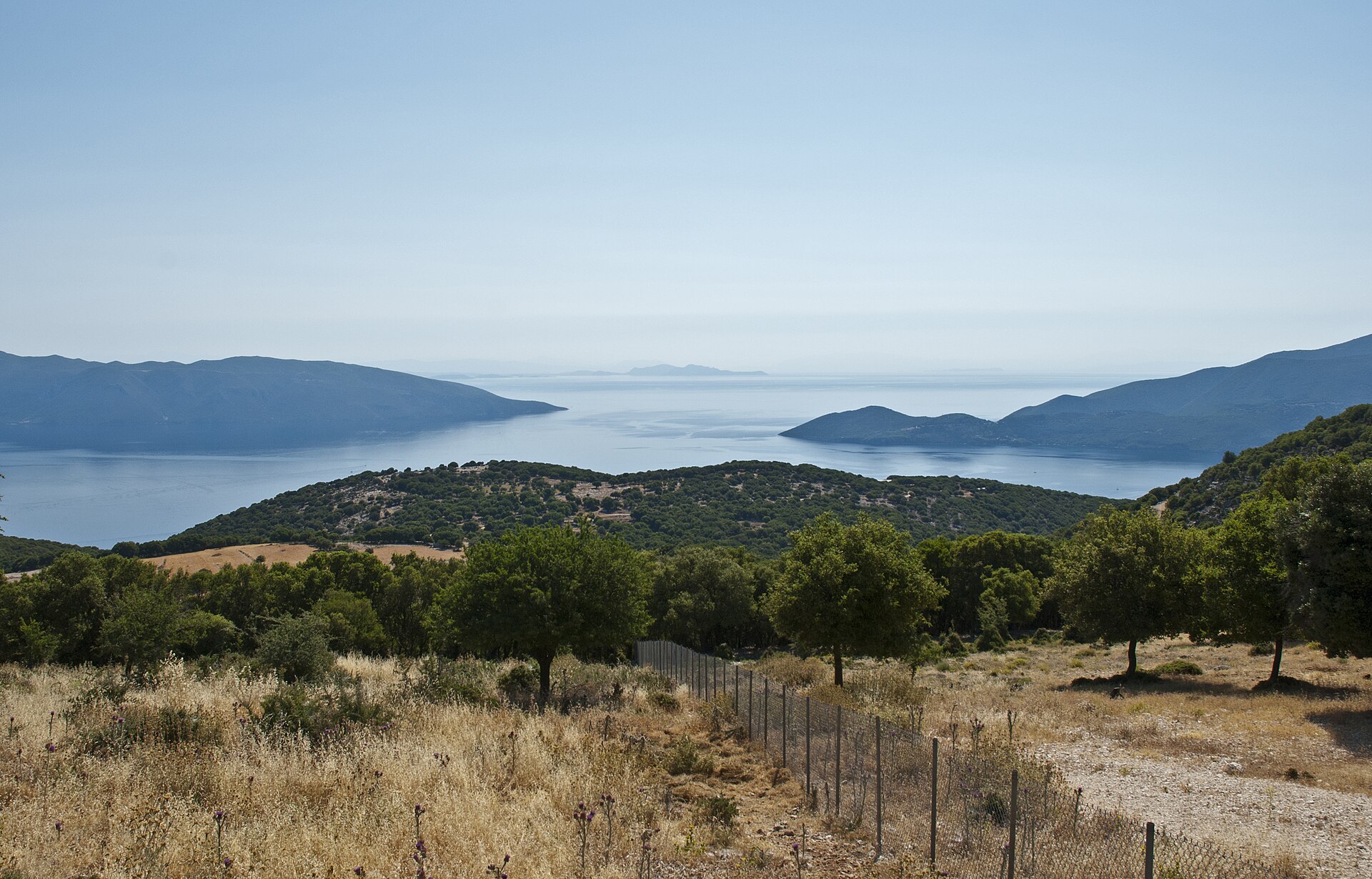
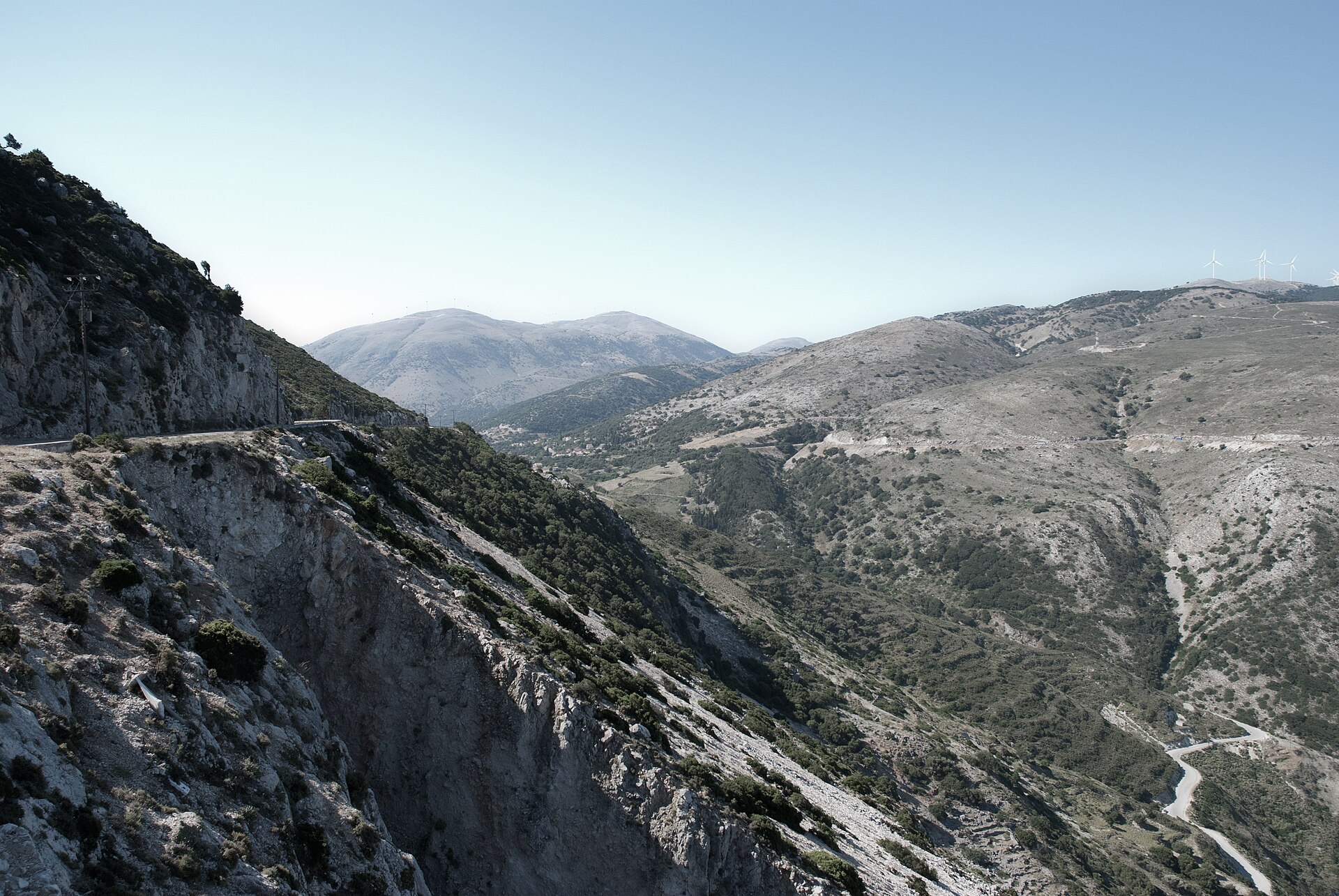
The landscape surrounding Ayia Evfimia is characterised by a fascinating contrast. On one side, the Ionian Sea, with its shades ranging from turquoise to cobalt blue; on the other, the rugged limestone cliffs of the mountains rising sharply behind the village. This geographical configuration creates a particular microclimate, where the sea breeze cools the hot summer days. The inland area, part of the Pylaros region, is dominated by lush Mediterranean vegetation, with oak woods and wide expanses used for grazing. Venturing along the roads leading inland, it is not uncommon to encounter herds of wild goats, a symbol of a still-intact rural life that coexists harmoniously with the coast's tourism development.
Gastronomic traditions and local flavours
The cuisine of Ayia Evfimia reflects the richness of the island of Kefalonia. Besides fish, the main ingredient of the local table, you cannot leave the village without having tasted the famous 'Kreatopita', the Kefalonian meat pie, prepared with different types of meat, rice and spices wrapped in a crispy pastry. Local cheeses, such as feta and kefalotyri, are made with milk from animals that graze freely on the surrounding mountains, giving them a unique flavour. All this should be accompanied by a glass of Robola, the island's prized DOC white wine, whose vineyards grow on the slopes of Mount Ainos. Sweets, such as mandoles (caramelised almonds), make the perfect end to a meal, a legacy of refined Venetian-influenced pastry-making.
Surroundings: Myrtos and the geological wonders
Ayia Evfimia is the gateway to some of Greece's most iconic attractions. Just 15 minutes by car is Myrtos beach, a perfect semicircle of small white pebbles set between tall cliffs, often cited as one of the most beautiful beaches in the world. Nearby are also the caves of Melissani and Drogarati: the former is an underground lake with electric-blue waters lit by an opening in the ceiling, while the latter is a spectacular cathedral of stalactites and stalagmites. Staying in Ayia Evfimia allows you to visit these sites at less crowded times, fully enjoying their natural majesty before returning to the quiet of the village.
When to go and how to experience the village
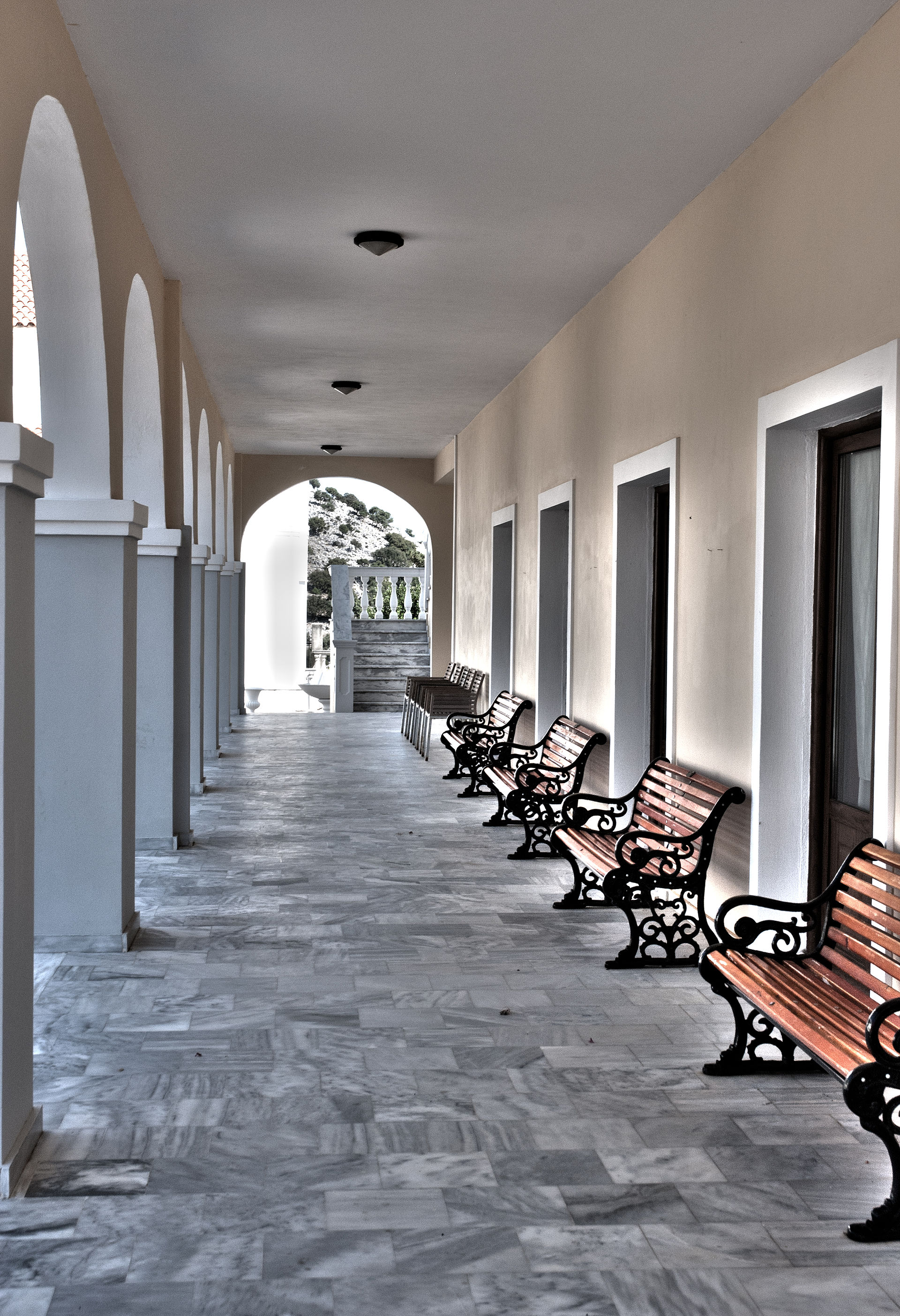
The best time to visit Ayia Evfimia is from May to October. Late spring (May and June) offers spectacular blooms and ideal temperatures for hiking, while September brings still-warm seas and a more relaxed atmosphere after the August peak. Experiencing Ayia Evfimia means embracing the Greek philosophy of 'siga-siga' (slowly-slowly): waking up early to watch the sunrise over the sea, spending the hot hours in the shade of a portico and ending the day with a long open-air dinner. It is a destination that rewards those who know how to observe the details, who love silence broken only by the wind, and who seek a luxury made of simplicity and authenticity.
FAQ
È necessario noleggiare un'auto ad Ayia Evfimia?
La località è adatta alle famiglie con bambini?
Ci sono opzioni per il parcheggio?
Quanto tempo occorre per visitare il villaggio?
Si possono fare escursioni in barca per Itaca?
Getting there
- Aeroporto Internazionale di Cefalonia (EFL) - circa 40 km
- Non presenti sull'isola
- Da Argostoli seguire le indicazioni per Sami e poi per Ayia Evfimia (circa 50 minuti). Da Sami dista solo 15 minuti lungo la strada costiera.
- Se arrivate in traghetto dalla Grecia continentale (Patrasso), attraccherete a Sami, che è il porto più vicino e comodo.
Perfect for
Uno dei porti più protetti e affascinanti dello Ionio, ideale per chi ama la vita di bordo e i servizi di qualità.
Perfetta per chi fugge dal caos e cerca una dimensione di vacanza lenta, fatta di letture in riva al mare e passeggiate serali.
Un paradiso per i gourmand che vogliono scoprire i sapori autentici di Cefalonia, tra ottimi vini e ricette tradizionali.
To see