Katastari
Nestled like a natural amphitheater on the eastern slopes of Mount Vrachionas, Katastari reveals itself to the traveler not as a m...
Updated 7 July 2026
This season · July · Summer
What to do in Katastari now
The story
The story of Katastari
A journey through time: from origins to rebirth
The history of Katastari has its roots in a past when safety was sought far from the coasts, to escape the pirate raids that plagued the Mediterranean. Already documented in Venetian registers, the village grew thanks to its strategic position, overlooking the fertile plain and the precious salt flats of Alykes. During the centuries of Venetian rule, Katastari became a key agricultural center, specializing in the production of oil, raisins and salt, resources that guaranteed relative prosperity to the local community. However, the date that indelibly marked the identity of the village is 1953, the year of the catastrophic earthquake that razed much of the historic structures of the Ionian Islands to the ground. The reconstruction, carried out with tenacity and respect for the original volumes, gave rise to the current layout, where modern architectural elements blend with the memory of what once was, making Katastari a symbol of resilience and cultural continuity.
The Monastery of Agios Ioannis Prodromos
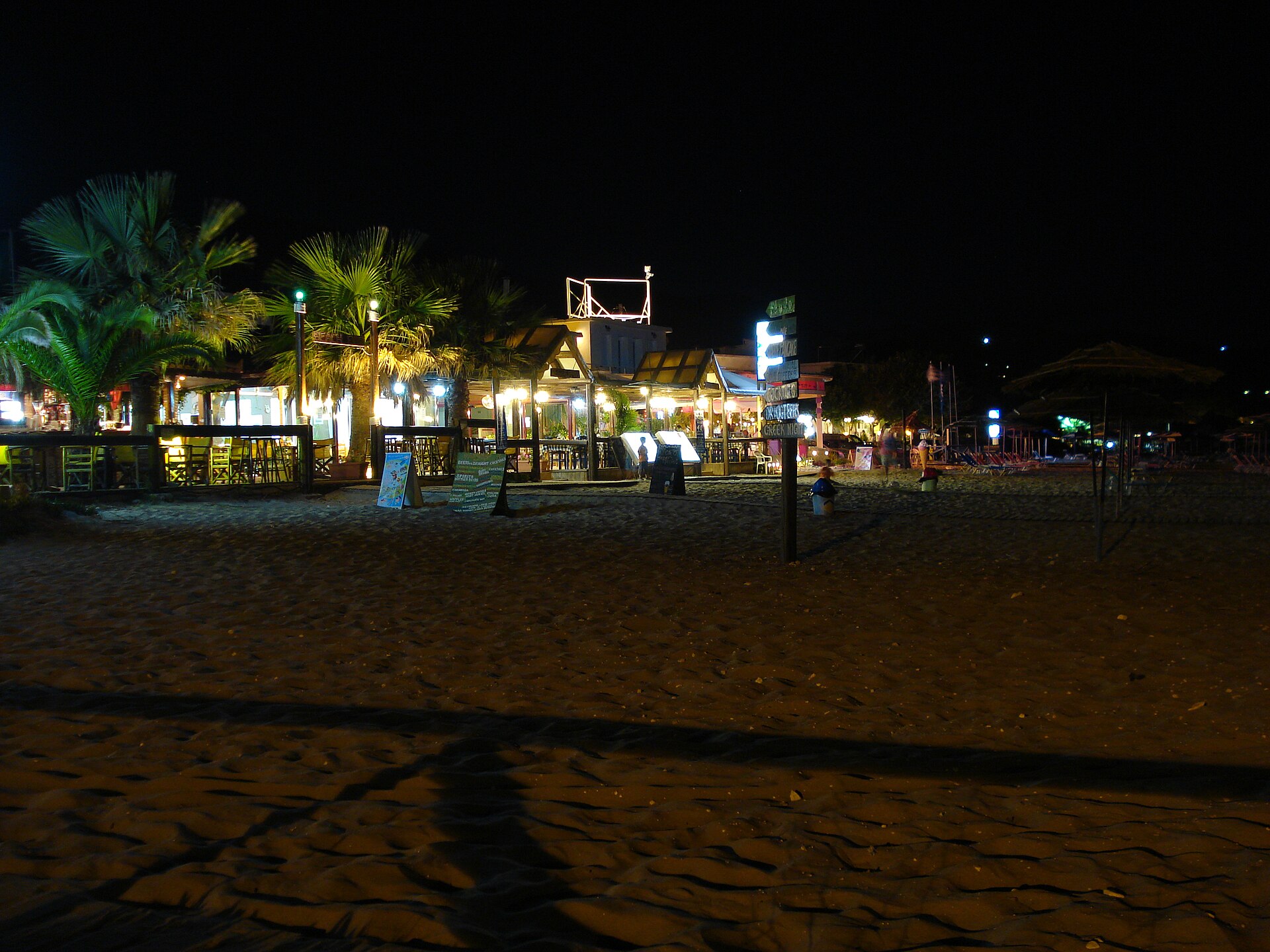
Located in a commanding position above the village, the Monastery of Saint John the Baptist (Agios Ioannis Prodromos) is one of the most precious spiritual treasures of Zakynthos. Originally founded in the 16th century, this monastic complex was for centuries a beacon of culture and faith. Although the 1953 earthquake caused severe damage, the structure has been skillfully restored, preserving an atmosphere of absolute peace. Inside are kept invaluable post-Byzantine icons and a finely carved wooden iconostasis that testifies to the skill of local craftsmen. The monastery is not only a place of worship, but an exceptional viewpoint: from its courtyard the view embraces the entire bay of Alykes all the way to the coasts of the Peloponnese on the clearest days. The silence enveloping its walls, broken only by the wind among the cypresses, invites contemplation and offers a different perspective on the island's wild beauty.
The Church of Panagia Eleftherotria
It is impossible not to notice, standing out against the green of the mountain, the imposing silhouette of the Church of Panagia Eleftherotria. Characterized by a pristine white facade and intensely red domes reminiscent of Byzantine style, this church is a visual landmark for the entire valley. Built in relatively recent times as a votive offering, it strikes visitors with its majestic size and the richness of its interior decorations. The frescoes covering the walls narrate biblical stories in vibrant colors, creating an environment of great emotional impact. The church is dedicated to the Virgin Liberator and represents the beating heart of the devotion of Katastari's inhabitants. During religious festivities, the churchyard comes alive with worshippers and visitors, turning the building into the hub of an ancient sociability that unites the sacred and the profane in a communal embrace.
The Salt Flats of Alykes and the Bond with the Sea
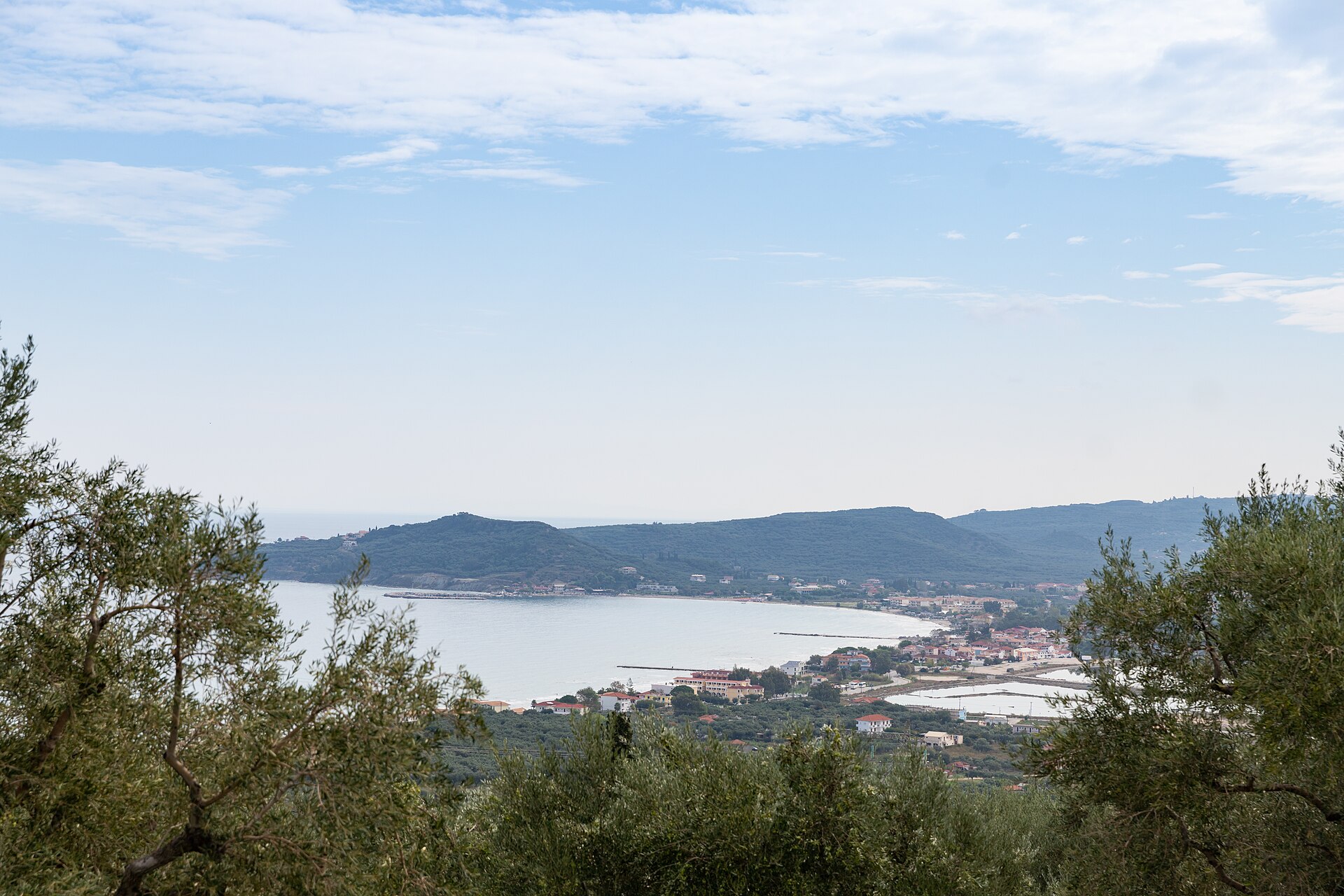
Although Katastari sits on a hill, its life has historically been tied to the coastal plain below, where the ancient salt flats of Alykes are found. These salt expanses, which give their name to the nearby seaside resort, were for centuries the economic engine of the region. Today, although they have lost their primary productive function, they constitute an ecosystem of great naturalistic and scenic interest. Walking along the salt-flat channels at sunset, when the water reflects the warm colors of the sky, is an almost mystical experience. The area is frequented by various species of migratory birds, making it a popular destination for birdwatching enthusiasts. The contrast between the blinding white of the salt deposits and the blue of the sea creates a natural scene of rare beauty, reminding visitors just how deep the bond is between the land of Katastari and the resources nature has generously offered.
The Vrachionas Massif: Wild Nature
Behind Katastari rises Mount Vrachionas, the rocky backbone of Zakynthos. This territory offers a rugged and fascinating hinterland, ideal for those wishing to explore the island on foot or by mountain bike. The trails starting from the village wind through fragrant Mediterranean scrub, karst caves and small plateaus where flocks still graze today. The flora is surprisingly rich, with aromatic herbs such as thyme, oregano and sage growing wild, saturating the air with intense fragrances. Reaching the peaks of Vrachionas means surveying the entire archipelago with your gaze, spotting Cephalonia to the north and the fertile plains to the south. It is a landscape that speaks of an archaic Greece, where geology has sculpted tormented and spectacular shapes, offering a cool and rejuvenating refuge even during the sweltering summer days.
Gastronomic Traditions and Flavors of the Land
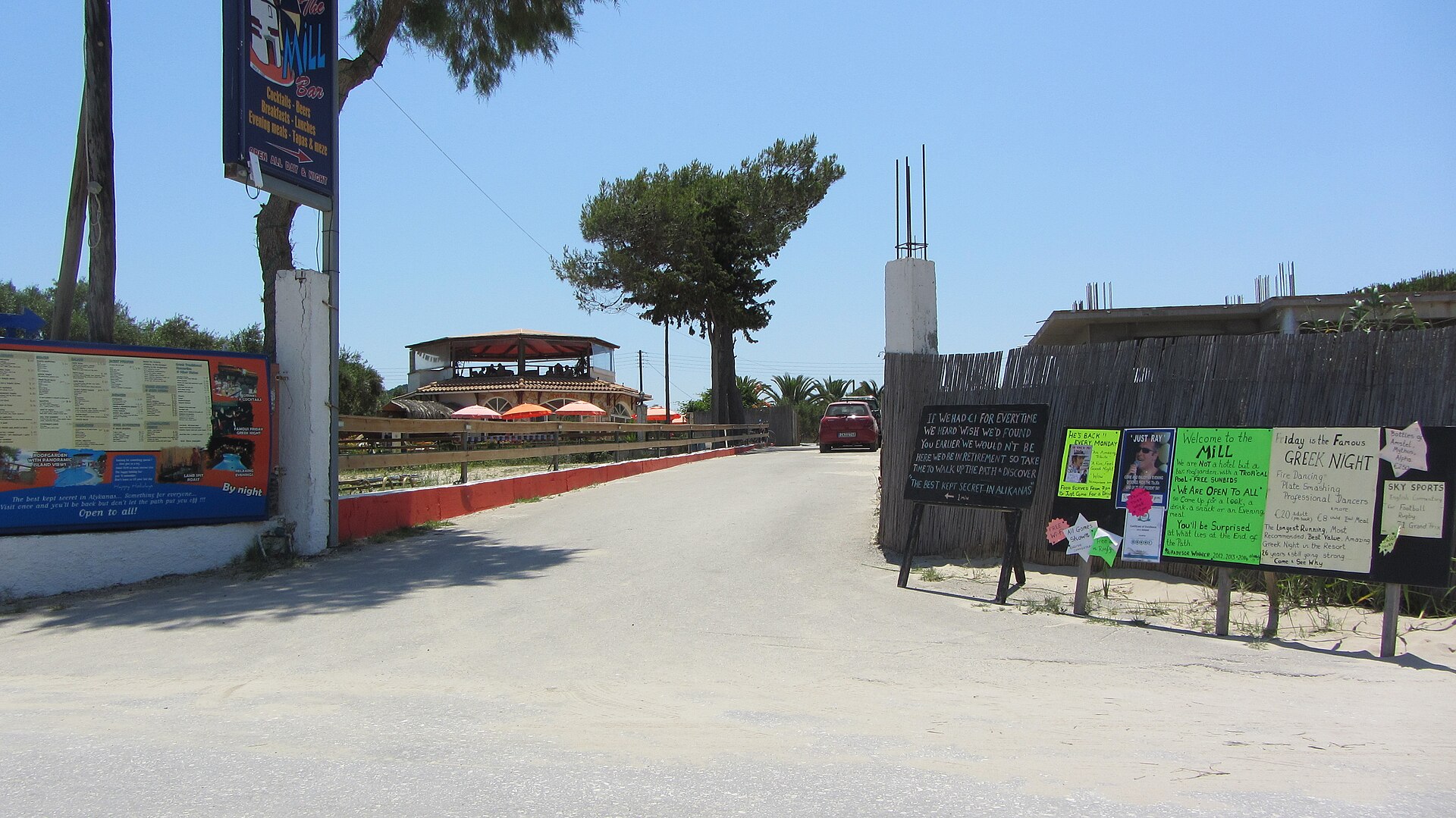
The cuisine of Katastari is a hymn to the Mediterranean diet and to zero-mile produce. As an agricultural center, the quality of the local olive oil and wine is excellent. One typical product not to be missed is Ladotyri, a spicy cheese preserved in oil that encapsulates all the island's bold character. In the village's taverns you can savor traditional dishes such as Zakynthian rabbit (kouneli stifado), slow-cooked with tomato and spices, or moussaka prepared with vegetables from nearby gardens. There is no shortage of sweets, such as mandolato (soft nougat) and fitoura (sweet semolina fritters), often sold during local fairs. Eating in Katastari means rediscovering the taste of simplicity and the genuineness of ingredients that rigorously follow the cycle of the seasons, all accompanied by the ever-present hospitality of local restaurateurs.
Experiences Not to Be Missed
- Attend the patronal feast of the Monastery of Agios Ioannis on June 24th, with traditional songs and dances.
- Take a dawn excursion to the peaks of Vrachionas to watch the sun rise over the Ionian Sea.
- Visit a local olive press to taste freshly pressed extra virgin olive oil.
- Drive along the scenic road that connects Katastari to the mountain villages of Orthonies and Volimes.
- Enjoy a Greek coffee in the square, watching the slow pace of the village's daily life.
- Explore the salt flats of Alykes on foot to spot herons and flamingos during migration season.
Advice for Travelers: When to Go
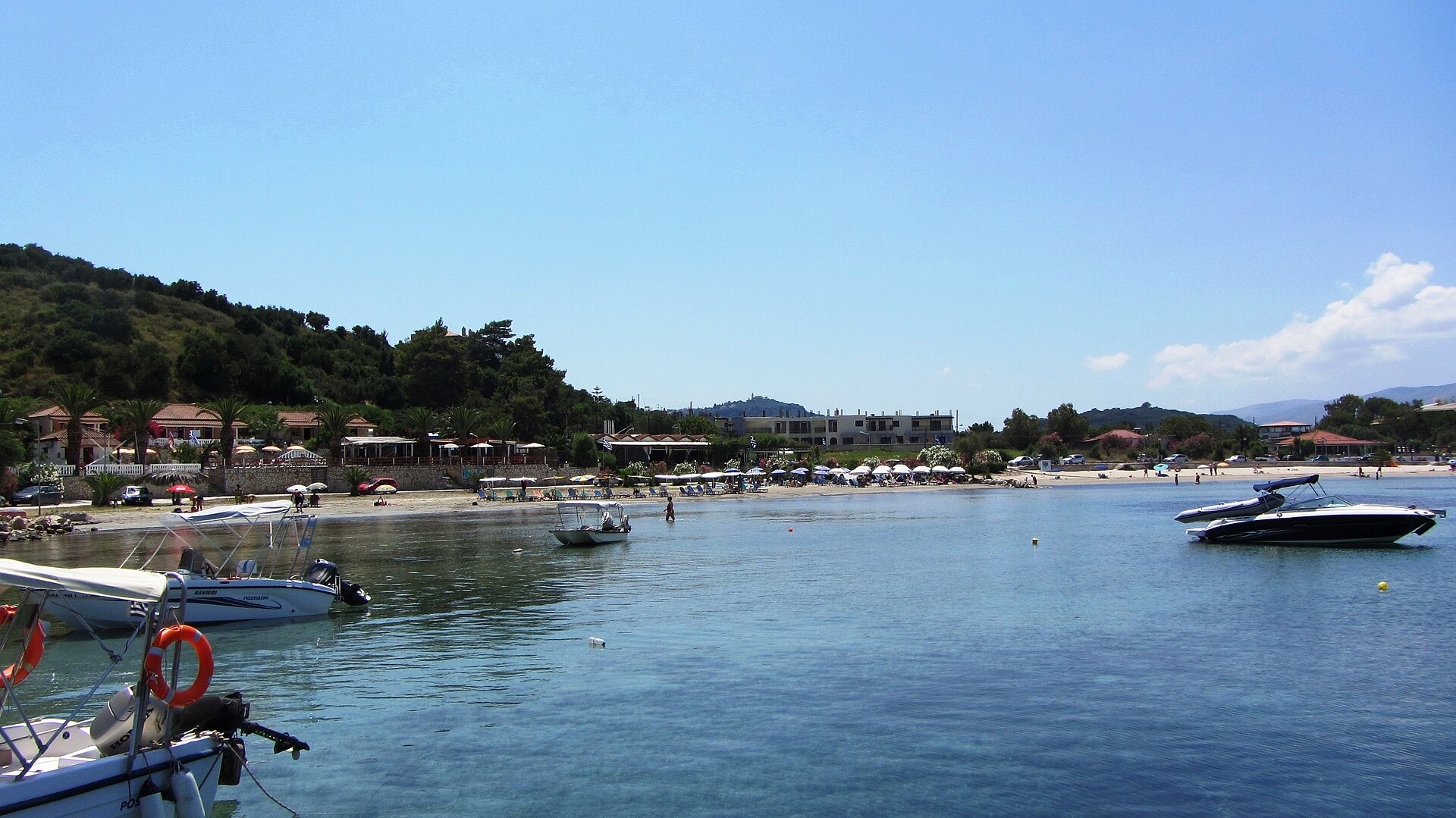
The best time to visit Katastari depends on the kind of experience you're looking for. Spring (April-June) is ideal for trekking and nature lovers: temperatures are mild and the island bursts into an explosion of wildflowers. Summer is perfect for those who want to combine the tranquility of the hillside village with days at the sea on the nearby beaches of Alykes and Alykanas, just a couple of kilometers away. September and October still offer warm days and a splendid sea, with the advantage of fewer tourists and the chance to witness the grape harvest. Winter, although very quiet, allows one to experience the island in its most intimate dimension, ideal for those seeking solitude and wishing to deepen their knowledge of local culture away from the busiest commercial circuits.
FAQ
Quanto dista Katastari dal mare?
È necessario noleggiare un'auto?
Ci sono servizi essenziali nel villaggio?
È una meta adatta alle famiglie?
Getting there
- Aeroporto Internazionale di Zante 'Dionysios Solomos' (ZTH) - circa 18 km
- Non sono presenti linee ferroviarie sull'isola di Zante.
- Da Zante città, seguire le indicazioni per nord-ovest in direzione Alykes/Katastari percorrendo la strada costiera principale o la via interna che attraversa i villaggi centrali.
- Se arrivate in traghetto al porto di Zante, potete utilizzare i bus locali (KTEL) che collegano regolarmente il capoluogo con Alykes/Katastari, ma verificate sempre gli orari stagionali.
Perfect for
Ideale per immergersi nella vita rurale greca, tra feste religiose e ritmi lenti.
Punto di partenza perfetto per sentieri che salgono sul monte Vrachionas offrendo viste spettacolari.
Un paradiso per chi cerca prodotti genuini come olio d'oliva, vino locale e formaggi tipici.
To see