Lassi
Stretched along the peninsula that shelters the bay of Argostoli, Lassi is the sunny, lush face of the island of Kefalonia
Updated 7 July 2026
This season · July · Summer
What to do in Lassi now
The story
The story of Lassi
A crossroads of stories between land and sea
The history of Lassi is intrinsically linked to that of Argostoli and the whole of Kefalonia, an island that for centuries was fought over by the great powers of the Mediterranean. After Byzantine rule, it was the Venetians who left an indelible mark, governing the island for almost three hundred years and bringing with them architecture, culture and a social structure that still echoes today in local surnames. Later, the brief Napoleonic period and the British protectorate in the 19th century helped modernise the area, with the construction of roads and infrastructure that made Lassi accessible.
The event that indelibly marked the collective memory, however, was the devastating earthquake of 1953, which razed most of the historic buildings to the ground. From that tragedy, Lassi was reborn with a new spirit, transforming from an agricultural and pastoral area into one of Greece's most admired tourist destinations. Despite the modern reconstruction, the bond with the past is kept alive through religious traditions and the meticulous preservation of natural sites, which residents regard as their most precious heritage.
Makris Gialos beach: the gold of Kefalonia
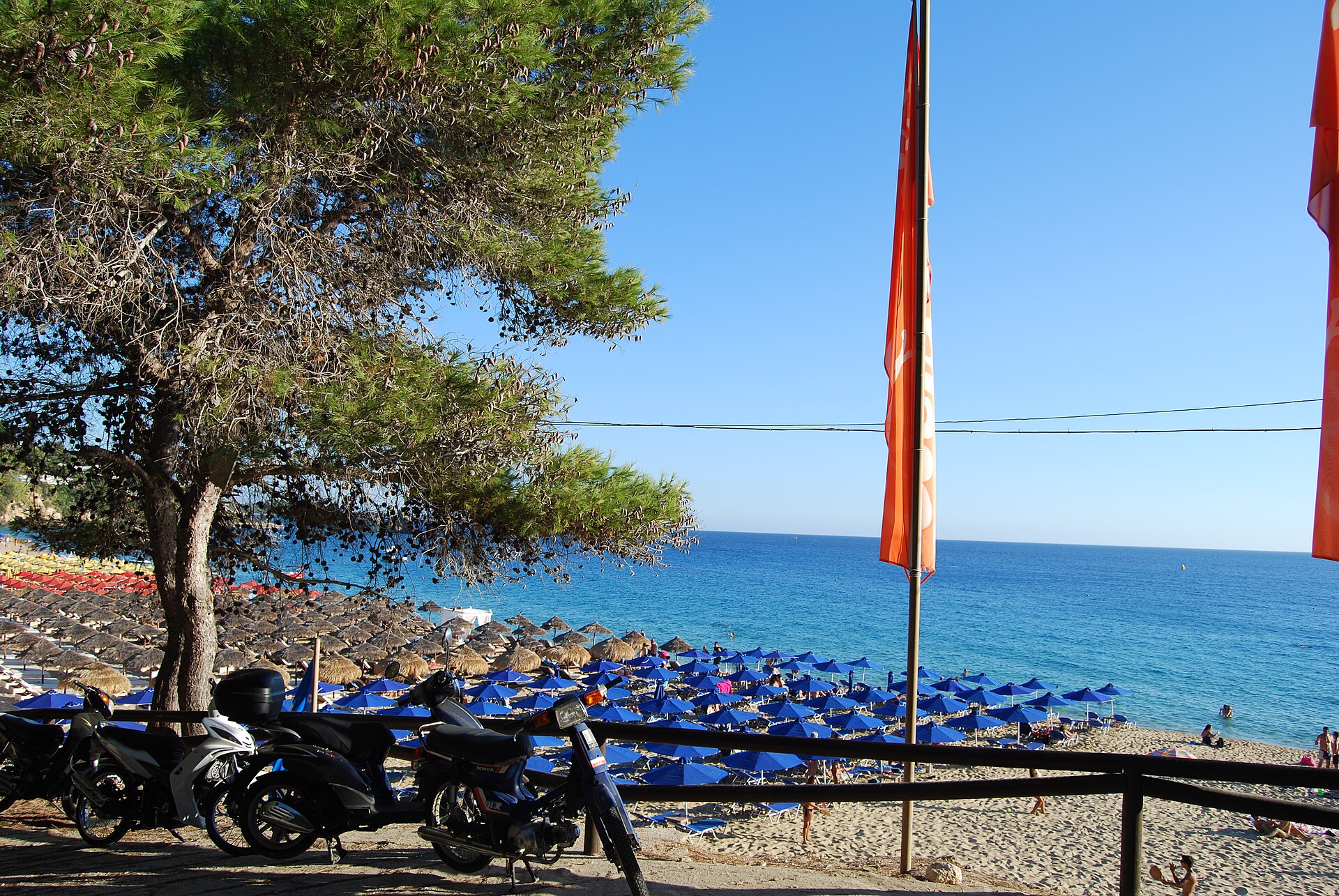
Makris Gialos, whose name literally means 'long beach', is the undisputed jewel of Lassi. This stretch of fine golden sand extends beneath a dense pine forest, offering a spectacular contrast of colour with the crystal-clear blue of the sea. It is the area's most famous beach, loved for the quality of its water, which stays shallow for many metres, making it ideal for those who enjoy walking in the sea. Despite its popularity and the presence of high-end beach clubs, Makris Gialos remains wide enough to offer pockets of relative peace, especially in the early morning hours when the water is as flat as a mirror.
Platis Gialos: the elegance of simplicity
Separated from Makris Gialos by only a small rocky headland, Platis Gialos (the 'wide beach') offers a slightly more secluded and wild atmosphere. Here nature seems to reclaim its space; the surrounding cliffs are dotted with Mediterranean shrubs, and the seabed is particularly rich in marine life, perfect for snorkelling enthusiasts. It is the favourite spot for those seeking a more authentic, less crowded beach experience, where the dominant sound is the surf caressing the mix of pebbles and sand. At sunset, the beach is bathed in warm colours, offering one of the most striking natural spectacles on the whole peninsula.
The Cave of Saint Gerasimos: silence and devotion
On the hills above Lassi lies a place of deep spirituality: the cave where Saint Gerasimos, the island's patron saint, lived as a hermit for several years before founding his monastery in the Omala valley. It is a small natural cavity, today transformed into a tiny underground chapel. The entrance is modest, but once inside one senses an atmosphere of absolute peace. This site is not only a pilgrimage destination for Orthodox believers, but also a privileged vantage point over the coast, from which the entire Gulf of Argostoli can be admired, wrapped in a silence broken only by the wind through the pines.
The Lighthouse of Saint Theodore and the Katavothres
A short distance from the village of Lassi, at the very tip of the peninsula, stands the Fanari, the Lighthouse of Saint Theodore. Faithfully rebuilt after the 1953 earthquake following the original 1828 British design, it is an elegant circular structure with Doric columns standing out against the blue of the sea. Nearby lies a geological phenomenon unique in the world: the Katavothres. Here, seawater flows into underground fissures and disappears beneath the surface, crossing the entire island to re-emerge, after a fourteen-day journey, in the Melissani caves on the opposite side. The water flow was once used to power large mills, whose evocative waterwheels can still be seen today.
Gradakia and the hidden coves
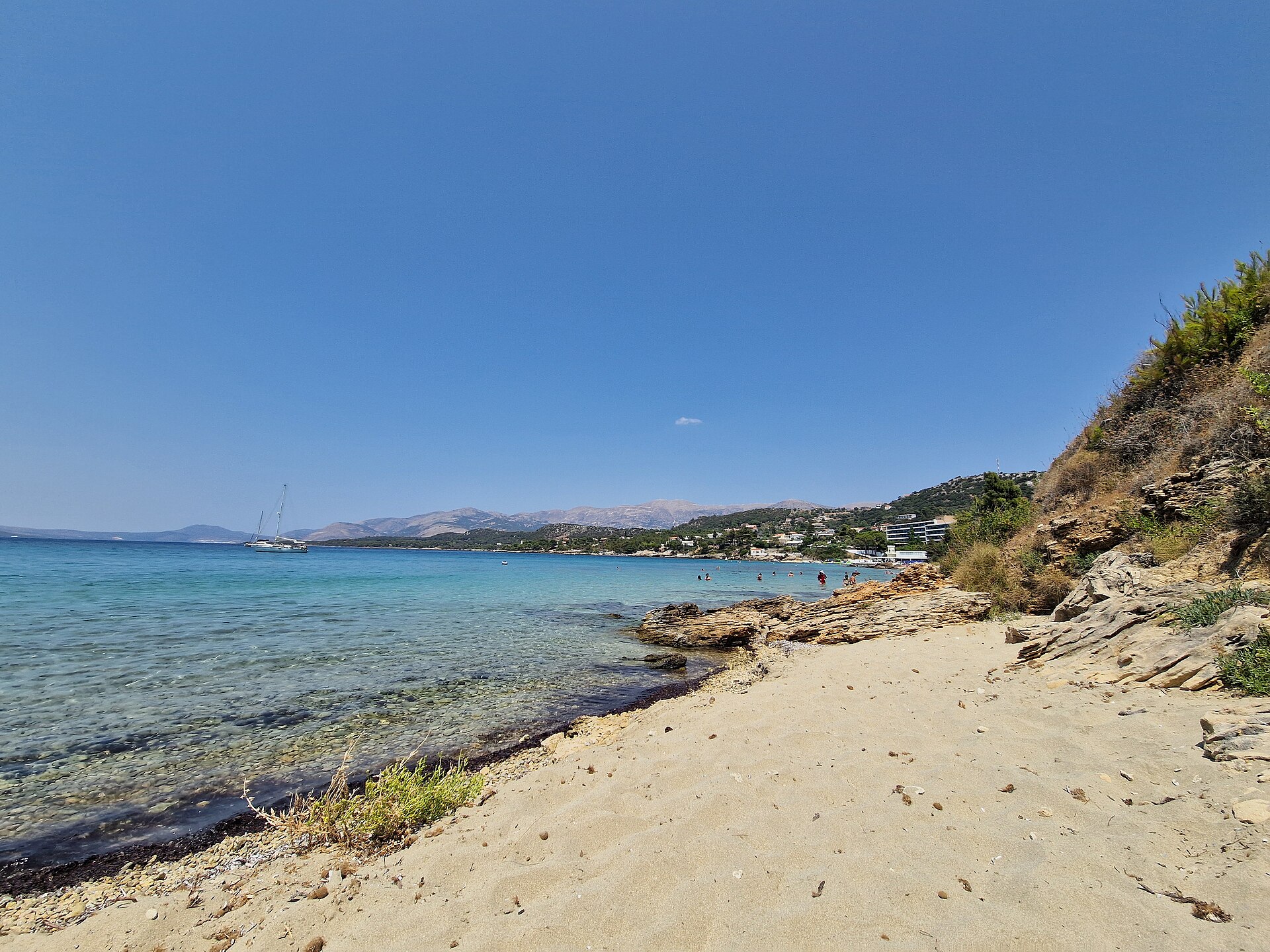
For those wishing to escape the larger beaches, the coast of Lassi is dotted with small coves such as Gradakia. This cove is characterised by grey sand of volcanic origin and low cliffs that form natural pools. It is a less conventional stretch of coastline, where the sea takes on shades of emerald and the surrounding sea caves invite exploration by swimming. These small bays represent the most intimate soul of Lassi, places where time seems to have stopped and where the connection with the natural elements is immediate and powerful.
Landscape and nature: among pines and cliffs
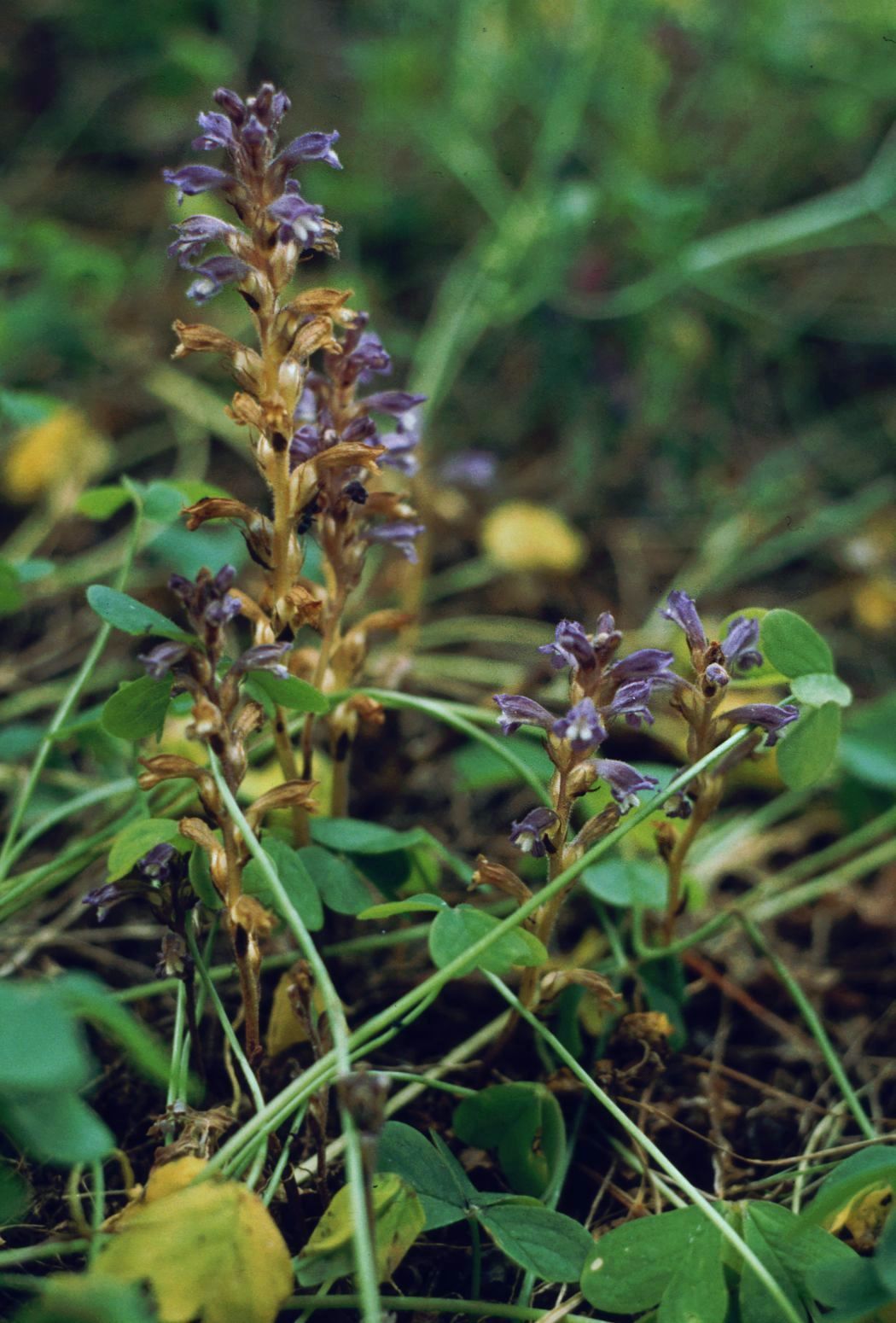
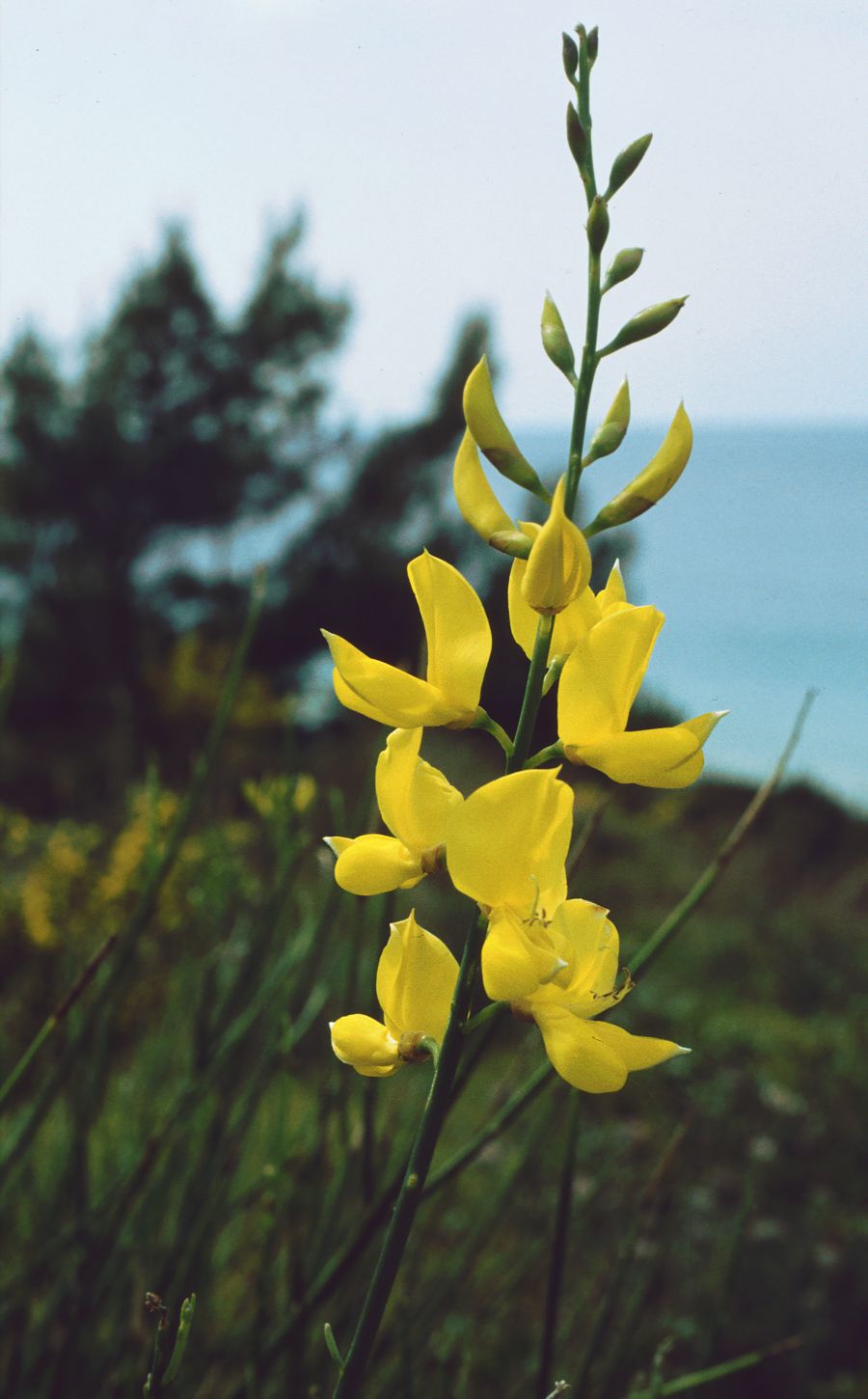
The landscape of Lassi is a hymn to Mediterranean biodiversity. The peninsula is dominated by Aleppo pines, which not only offer shade during the hot summer hours but also create a unique microclimate, filling the air with balsamic scents. The cliffs plunging into the sea reveal the island's geological stratification, with white limestone rocks reflecting the sunlight and making the water even more transparent. Further inland, the terrain becomes rougher and hillier, offering light trekking routes that reward walkers with panoramic views over the island of Lixouri, situated just opposite, across the narrow stretch of sea.
Flavours and traditions of the Kefalonian table
Living in Lassi also means immersing yourself in the bold flavours of local cuisine. The gastronomic tradition here is a skilful blend of products from the land and the sea. Not to be missed is Kreatopita, the famous Kefalonian meat pie, made with three different types of meat, rice and spices wrapped in a crispy pastry. Dishes are often accompanied by the prized Robola wine, a dry, mineral white produced from grapes grown on the slopes of Mount Enos. There are also sweets such as Mandoles, caramelised almonds tinted red with sea algae, which represent the island's sweetest and most ancient souvenir.
Experiences not to be missed in Lassi
- Watching the sunset from the lighthouse of Saint Theodore, when the sky turns violet.
- Snorkelling among the rocks of Gradakia to discover the underwater wildlife.
- Tasting a glass of chilled Robola in one of the seaside taverns.
- Walking the coastal path that connects Lassi to Argostoli.
- Visiting the cave of Saint Gerasimos for a moment of silent reflection.
- Renting a boat to explore the coves reachable only by sea.
When to go and how to experience the place
The ideal time to visit Lassi runs from May to October. Late spring and early autumn (September and October) are the best times for those seeking tranquillity and mild temperatures, ideal for walking excursions. During the height of summer, Lassi comes alive, becoming the island's hub of entertainment without ever losing its elegance. To experience the place to the fullest, the advice is to move on foot between the various beaches and take advantage of the proximity to Argostoli for lively evenings, then return to the silence of the Lassi pine forest to rest.
FAQ
È facile parcheggiare a Lassi?
Lassi è adatta alle famiglie con bambini?
Quanto dista Lassi dall'aeroporto?
Si può raggiungere Argostoli a piedi da Lassi?
Getting there
- Aeroporto Internazionale di Cefalonia (EFL) - 7 km
- Non presenti sull'isola
- Da Argostoli seguire le indicazioni per Lassi lungo la strada costiera. Dall'aeroporto, seguire la strada principale verso nord.
- Noleggiare un'auto o uno scooter è il modo migliore per esplorare anche i dintorni di Lassi e il resto dell'isola.
Perfect for
Spiagge di sabbia dorata e acque cristalline perfette per lunghe giornate di sole.
Sentieri tra i pini e fenomeni geologici unici come le Katavothres.
Ottime taverne dove gustare il vino Robola e la tipica meat pie cefalonia.
To see