Levkadha
Lefkada, or Levkadha, emerges from the turquoise waters of the Ionian Sea like a fragment of land suspended between myth and geogr...
Updated 7 July 2026
This season · July · Summer
What to do in Levkadha now
The story
The story of Levkadha
A history of borders and canals
The history of Lefkada is inextricably linked to its strategic position. Originally joined to the mainland, it became an island in the 7th century BC when Corinthian settlers dug a canal to ease navigation. This human intervention shaped the destiny of the place, turning it into a contested outpost. After Roman and Byzantine rule, the island fell under Frankish influence in 1294, when Giovanni Orsini became its lord. Unlike the other Ionian Islands, Lefkada endured a longer Ottoman domination (from 1479 to 1684), before passing firmly under the control of the Republic of Venice. This mix of eastern and western influences is still visible in the architecture and local character, right up to its definitive annexation to the Kingdom of Greece in 1864, together with the other islands of the Heptanese.
The Castle of Agia Mavra
Located right at the entrance to the island, guarding the mobile bridge, the Castle of Agia Mavra is one of the most imposing defensive structures in the region. Originally built in the 14th century by the Orsini family, it was later expanded and reinforced by the Venetians and the Ottomans. Its polygonal layout encloses centuries of conflicts and alliances; inside, one can still admire the remains of barracks, cisterns and the church dedicated to Santa Maura. The castle is not just a monument, but the symbol of the island's resistance and its historic role as a gateway between maritime Europe and the Balkan hinterland. The view enjoyed from its walls, with the lagoon on one side and the open sea on the other, is particularly striking at sunset.
The Monastery of Panagia Faneromeni
Perched on a hill above the town of Lefkada, the Monastery of Panagia Faneromeni is the spiritual heart of the island. Founded, according to tradition, on the site of an ancient temple dedicated to Artemis, the current monastery largely dates back to the 19th century, after several fires destroyed the earlier structures. It is dedicated to the Virgin Mary, protector of the inhabitants of Lefkada. In addition to the richly decorated main church, the complex houses a small ecclesiastical museum and an area dedicated to local wildlife. The outer courtyard offers an extraordinary panorama embracing the town, the lagoon and the coasts of Epirus, making it a place of peace where natural beauty merges with religious devotion.
Lefkada Town: architecture against time
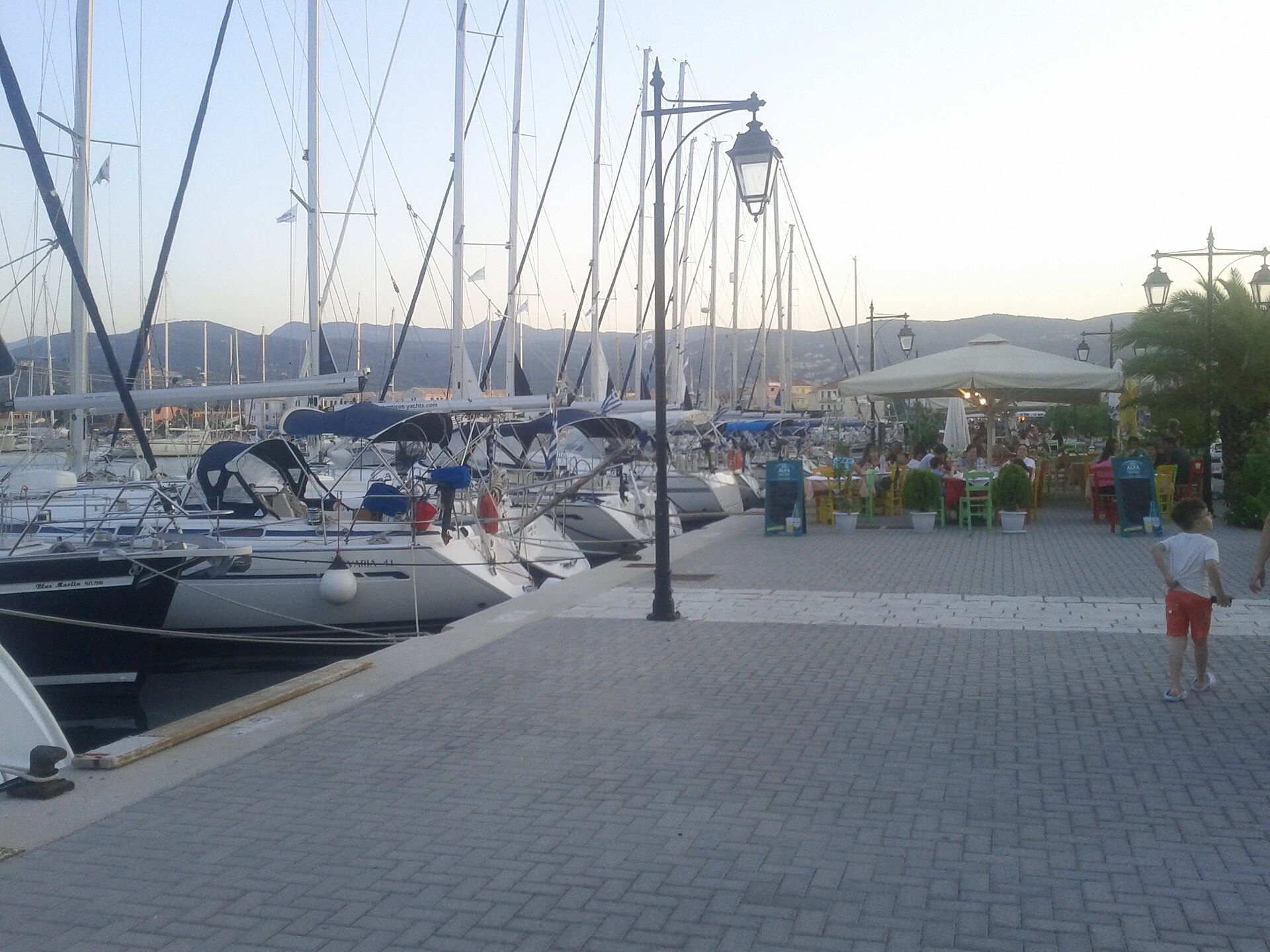
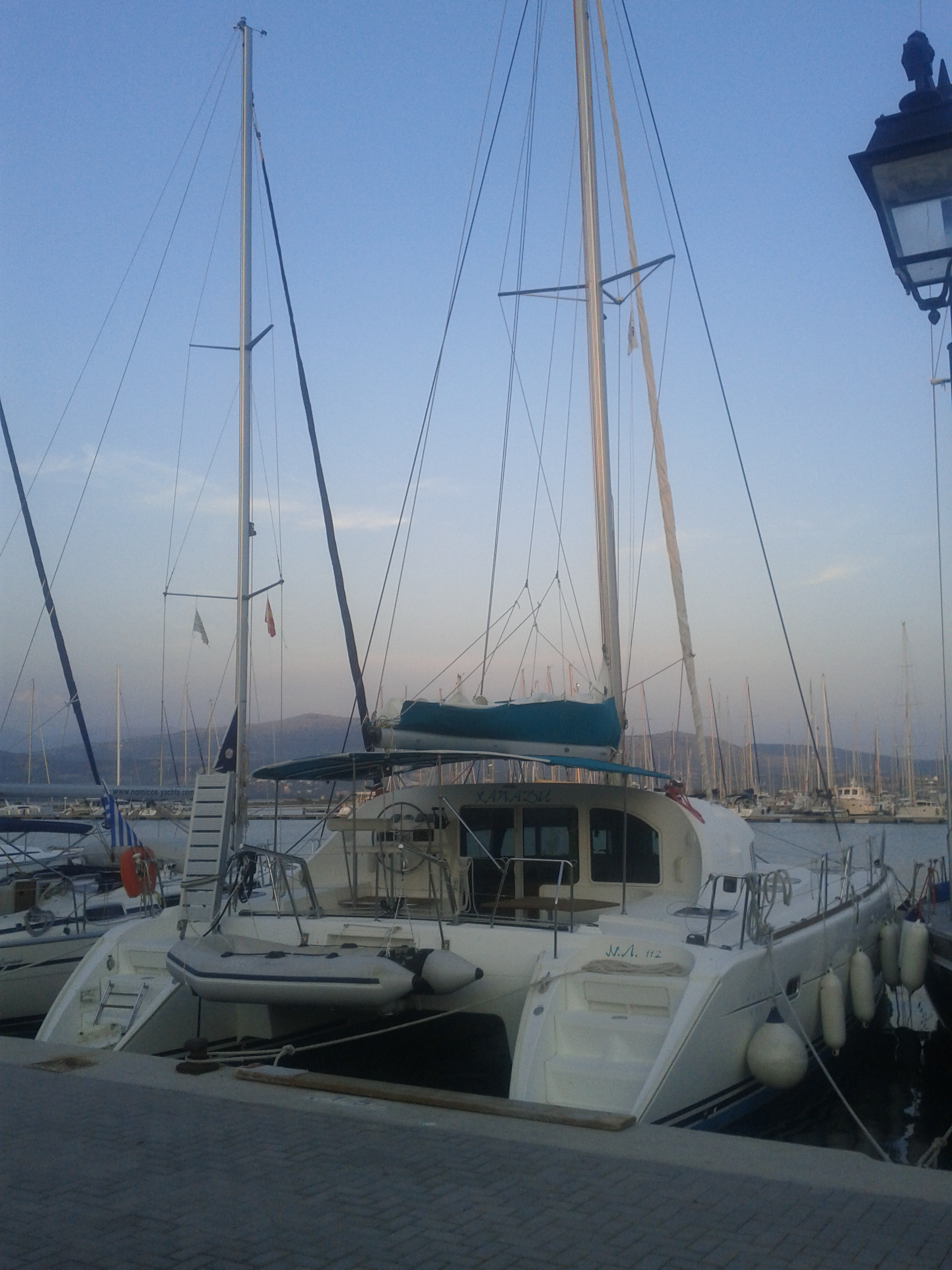
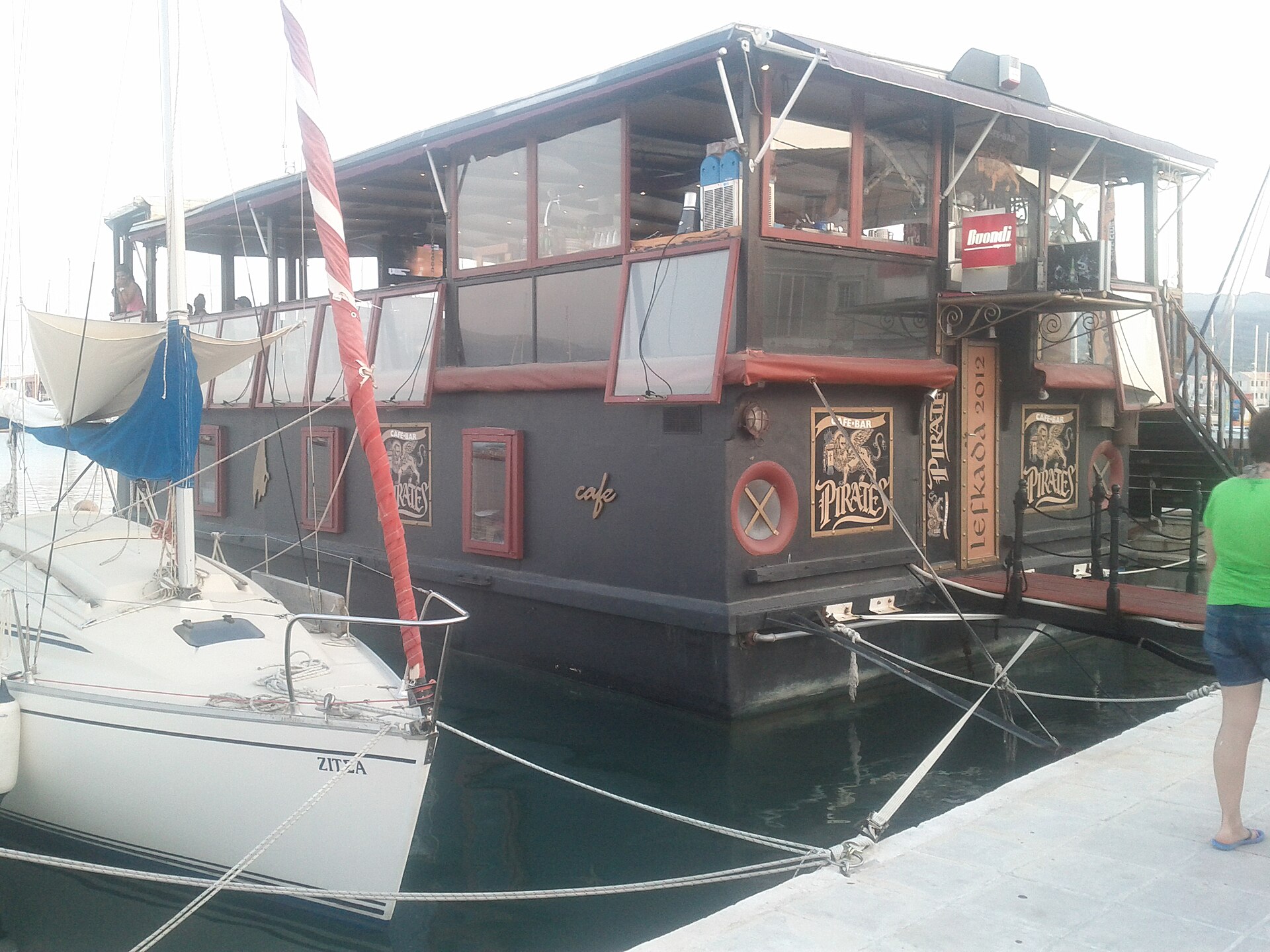
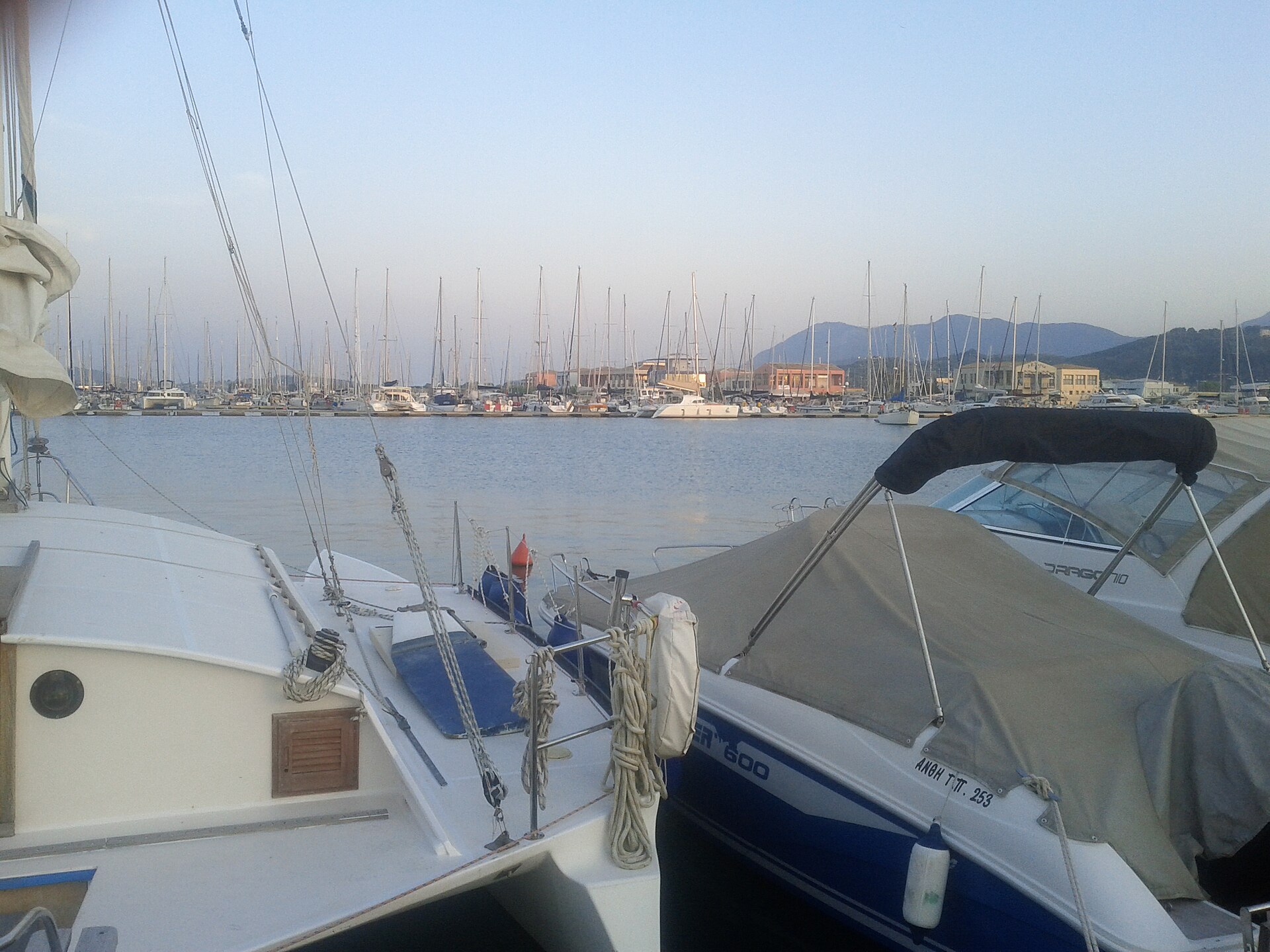
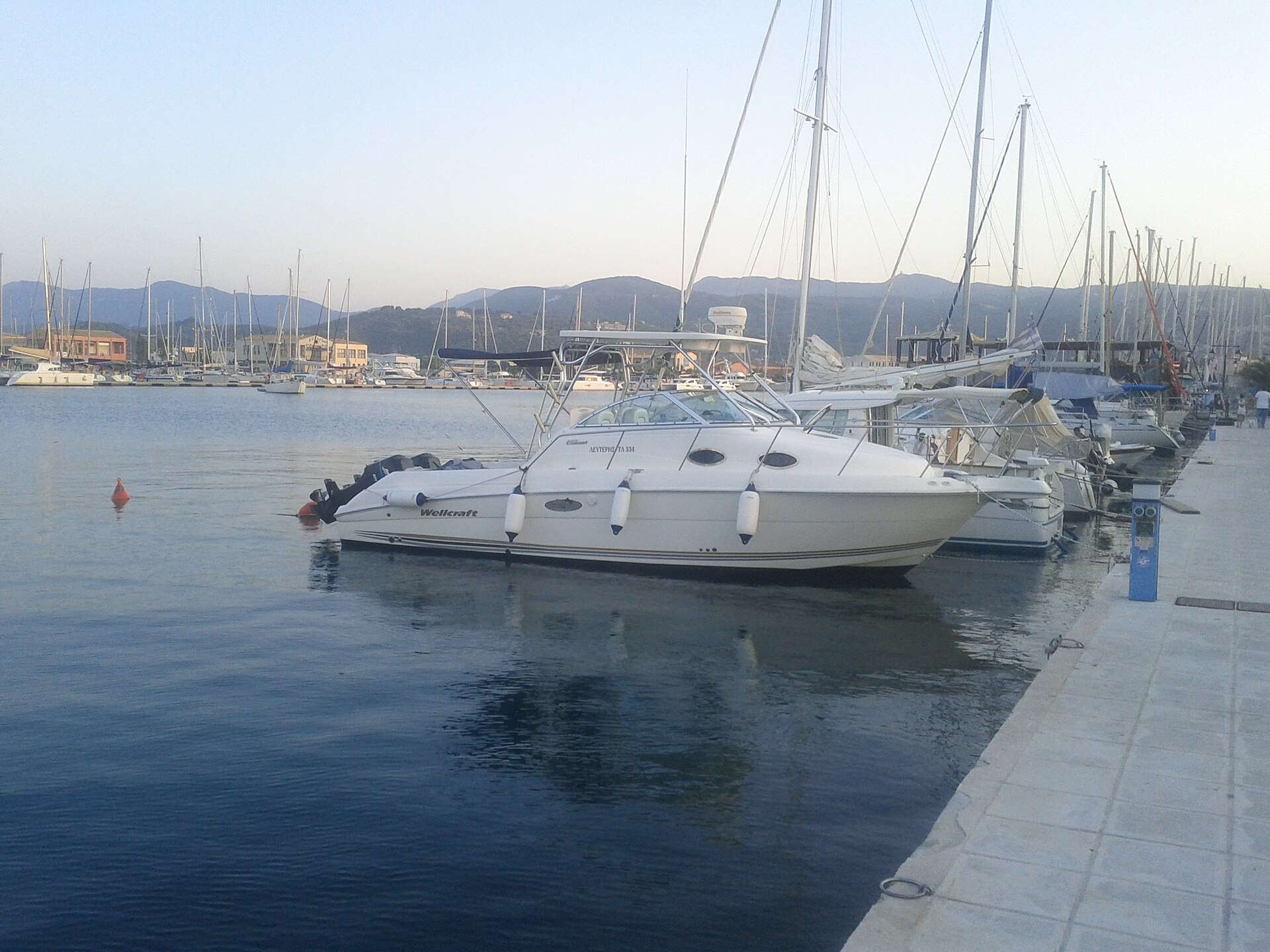
The island's capital, located at its northern tip, is a unique example of urban planning adapted to the seismicity of the area. After the devastating earthquakes of the past, the inhabitants developed an ingenious building system: houses have stone ground floors and light upper floors, clad in coloured sheet metal, to withstand tremors. Strolling along the 'Agora', the main market street, one discovers Venetian churches with elegant façades and small cafés tucked away in narrow alleys. The town is vibrant, with its seafront dotted with sailing boats and the lagoon where flamingos and herons find refuge, creating a fascinating contrast between the liveliness of the harbour and the stillness of the waters.
Porto Katsiki and the western cliffs
Porto Katsiki is not just a beach, but the very icon of Lefkada. Situated at the foot of a dizzying white cliff that plunges into an almost unreal blue sea, this bay represents the wild power of the western coast. It is reached via a staircase carved into the rock or by sea. A short distance away, the beach of Egremni offers an equally majestic spectacle, with its long stretch of white pebbles and crystal-clear waters. These locations are not merely seaside destinations, but natural monuments bearing witness to the millennia-long erosion of the limestone rock, creating scenery that seems to belong to another world, far removed from the gentleness of the eastern coasts.
Cape Lefkatas: Sappho's Leap
At the southern tip of the island lies Cape Lefkatas, a place steeped in myth and drama. Here once stood a temple dedicated to Apollo and, according to legend, it was the spot from which desperate lovers would throw themselves to free themselves from heartache. The most famous story is that of the poetess Sappho, said to have taken her own life by leaping from these white rocks. Today, a solitary lighthouse dominates the promontory, offering an endless view over the Ionian Sea, towards Kefalonia and Ithaca. It is a windswept, austere place, where the power of the elements can be felt in every gust, ideal for those seeking a deep connection with nature and Greece's mythological past.
Nidri and the archipelago of desires
Nidri is the beating heart of tourism on the eastern coast, once a small fishing village and today a lively departure port for exploring the satellite islands. From here one enjoys views of Madouri, the island of the poet Valaoritis, and of the famous Skorpios, once owned by the shipping magnate Aristotle Onassis. The eastern coast is sheltered and green, with calm waters ideal for pleasure boating. A short distance from the centre of Nidri, a walk among the olive trees leads to the Dimosari Waterfalls, an oasis of coolness where water cascades over limestone rocks forming small natural pools, perfect for a refreshing dip away from the salt sea air.
The inland villages: Karya and Englouvi
To discover the true soul of Lefkada, one must climb towards Mount Elati. Karya is the most important mountain village, famous for its embroidery made with a unique technique called 'Karsaniki'. The village square, shaded by centuries-old plane trees, is the perfect place to sample local cuisine. Even higher up lies Englouvi, the island's highest village, surrounded by an almost lunar landscape dotted with 'voltoi', ancient stone structures similar to small trulli used by farmers. Englouvi is renowned throughout Greece for producing prized lentils, grown on a plateau that preserves a tradition of heroic agriculture and unchanged customs.
Landscape and Nature: between lagoons and peaks
The biodiversity of Lefkada is astonishing. The northern area is dominated by a lagoon protected under the Ramsar Convention, home to numerous species of migratory birds. Climbing inland, the landscape changes dramatically: Mount Elati, standing at 1,158 metres, offers trails through oak and pine woods. The eastern coast is a succession of sheltered bays and small islets, while the west is dominated by the verticality of the cliffs. This climatic and morphological variety allows one to experience the island in many ways: from relaxing in the coves of the south to kitesurfing and windsurfing in the bay of Vassiliki or on the beach of Agios Ioannis, where thermal winds create ideal conditions.
Traditions and flavours of the Ionian
Lefkada's cuisine reflects its farming and seafaring history. Among its outstanding products, Lefkada salami stands out, influenced by the Venetian charcuterie tradition, with a delicate and spiced flavour. No one should leave the island without trying 'Ladopita', a cake made with olive oil and semolina, or the thyme honey of Athani. As for wine, the island boasts native grape varieties such as Vertzami, an intense red probably introduced by the Venetians, which finds its ideal habitat on the limestone hills. Popular festivals, such as the re-enactment of the traditional wedding in Karya in August, offer an authentic glimpse into local folklore, made up of elaborate costumes and group dances.
- Rent a boat in Nidri to explore the secret bays of Meganisi.
- Admire the sunset from the Cape Lefkatas lighthouse, where the sky merges with the Ionian Sea.
- Taste the lentils of Englouvi in the village square, 700 metres above sea level.
- Try windsurfing or kitesurfing in Vassiliki, one of the world's sailing capitals.
- Wander through the alleys of Lefkada's old town in search of Venetian churches.
FAQ
Serve il traghetto per arrivare a Lefkada?
Qual è il periodo migliore per visitarla?
Le spiagge della costa ovest sono adatte ai bambini?
Dove conviene alloggiare?
Getting there
- Aeroporto di Aktion (Preveza) - 20 km
- Non ci sono linee ferroviarie sull'isola; i collegamenti avvengono via bus KTEL da Atene.
- Percorrere l'autostrada Egnatia Odos o la Ionia Odos fino a Preveza, poi seguire le indicazioni per il ponte di Lefkada.
- Se arrivate in aereo a Preveza, noleggiate un'auto direttamente in aeroporto per avere massima libertà di movimento sull'isola.
Perfect for
Un paradiso per i velisti grazie alle acque calme del lato orientale e un tempio del vento per i surfisti a sud.
L'entroterra montuoso offre sentieri tra villaggi tradizionali, cascate e altopiani coltivati a legumi rari.
Dalle fortezze veneziane ai monasteri bizantini, l'isola racconta una storia di incontri tra Oriente e Occidente.
To see