Longos
Imagine a small amphitheatre of pastel-coloured houses mirrored in waters so clear they seem suspended in air: welcome to Longos,...
Updated 7 July 2026
This season · July · Summer
What to do in Longos now
The story
The story of Longos
A crossroads of stories between Venice and the Levant
The history of Longos is inextricably linked to that of the entire island of Paxos, a strip of land that has seen different civilisations and rulers pass through, each leaving an indelible mark. The origins of the village are ancient, but it was under the long rule of the Republic of Venice, lasting from the 14th to the 18th century, that the village took on the architectural appearance we admire today. The Venetians heavily encouraged olive cultivation, transforming the local economy and the landscape itself. After the fall of the Serenissima, Longos briefly passed under French control and subsequently became part of the British Protectorate of the Ionian Islands in the 19th century. This cultural stratification is visible in the orderly layout of its streets and the elegance of its façades. The event that profoundly marked the local community was the definitive union with the Kingdom of Greece in 1864, a moment of great patriotic fervour that did not, however, dent the cosmopolitan and open spirit that still characterises the village today.
The Port of Longos: the beating heart of the village
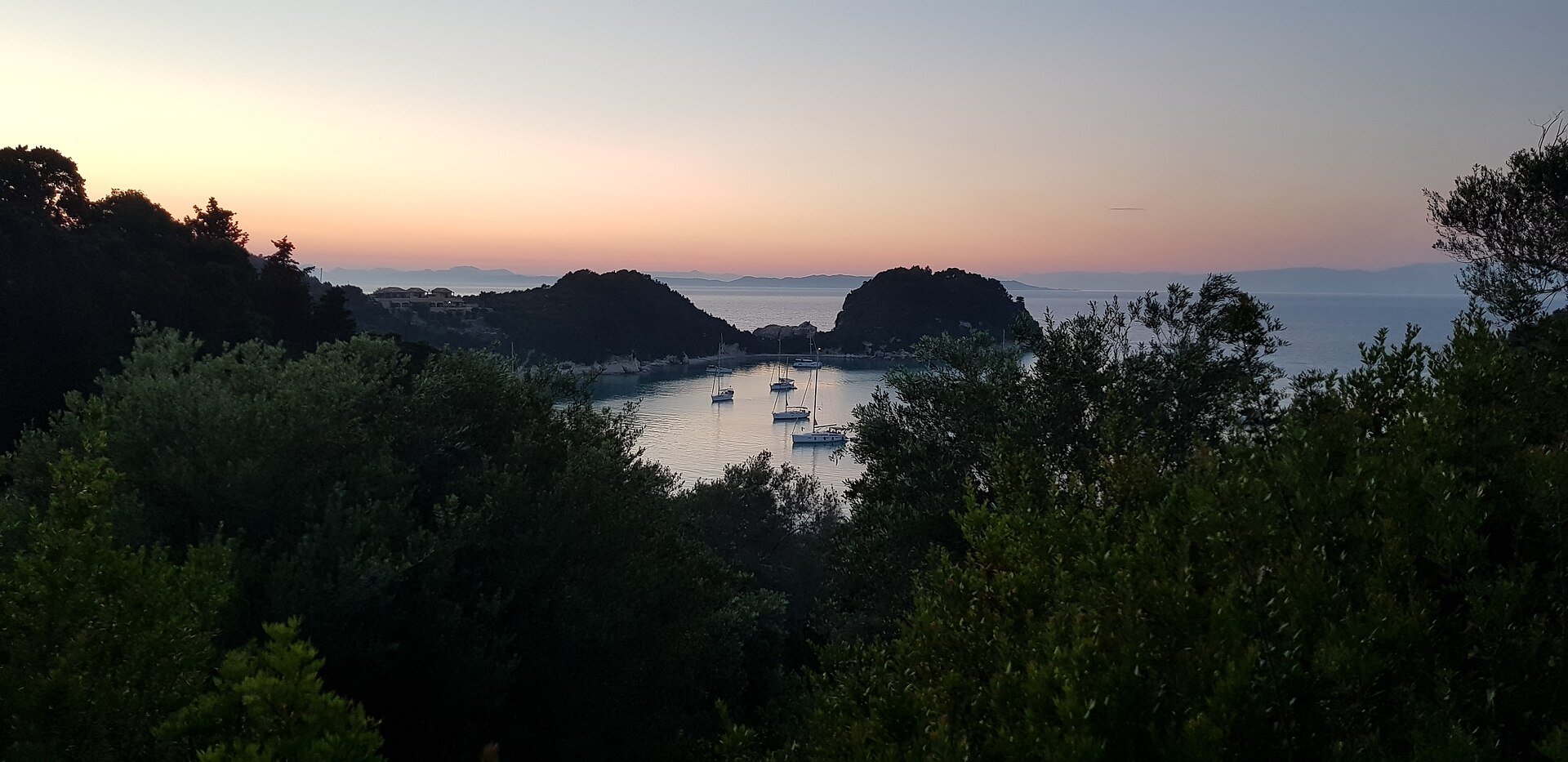
The little harbour of Longos is much more than a simple landing place; it is the community's finest living room and the centre of every social activity. Born as a port for the trade in oil and soap, today it hosts a mixed fleet of traditional fishing boats, the famous 'kaiki', and pleasure craft seeking shelter in its calm waters. The peculiarity of this place lies in the close proximity between the houses and the sea: the taverns set their tables just inches from the water, allowing you to dine lulled by the sound of the surf. Looking along the quays, you can still spot the old wrought-iron mooring rings and the stones smoothed by time, witnesses to an era when maritime trade was the only link with the outside world. At sunset, the harbour turns into a natural stage where the golden light enhances the textures of the weathered walls and the reflections of the colourful boats.
The Old Anemogiannis Soap Factory
On the southern side of the harbour stands an imposing structure that tells the story of Longos's industrial past: the former Anemogiannis soap factory. Built in the early 20th century, this stone building with its tall brick chimney is one of the rare examples of industrial archaeology in the Ionian Islands. The factory made use of the island's abundant olive oil production to make high-quality soap, exported throughout Greece and abroad. Although now disused, its silhouette dominates the entrance to the harbour, recalling the village's period of greatest economic splendour. The exterior decoration, with the bust of a hero of the Greek Revolution on the façade, adds a touch of solemnity to this monument to labour. It is an evocative place that conjures up stories of workers, ships laden with fragrant crates and a mercantile vocation that allowed Longos to prosper long before the advent of tourism.
The Church of Zoodochos Pigi
A short distance from the village centre, surrounded by greenery, stands the church of Zoodochos Pigi (the Life-Giving Spring), a place of deep spirituality for the people of Longos. The building stands out for its typically Ionian style, with a bell-gable soaring against the blue of the sky. Inside, the church holds fine icons and frescoes that reflect the Byzantine tradition reinterpreted through Western taste, a feature common to many places of worship in the area. The patronal feast, celebrated on the Friday after Easter, is a moment of great popular participation: the streets fill with processions and singing, and the air is charged with the scent of incense and spring flowers. Visiting this church means coming into contact with the religious soul of the village, made of simple devotion and an unbreakable bond with its own roots.
Levrechio Beach: a paradise just steps away
Just a five-minute walk from the centre of Longos lies Levrechio beach, one of the island's most beloved for its wild beauty and easy access. It is a bay of smooth white pebbles that slope gently into a sea of emerald hues. The beach is fringed by dense vegetation of olive and tamarisk trees that offer refreshing natural shade during the hottest hours of the day. Despite its proximity to the village, Levrechio retains a peaceful, unspoiled atmosphere. Behind the beach, a small traditional tavern lets you enjoy local dishes in the shade of the trees, making this an ideal spot to spend whole days in total relaxation, alternating refreshing swims with moments of pure contemplation of the Ionian nature.
The path to Marmari Beach
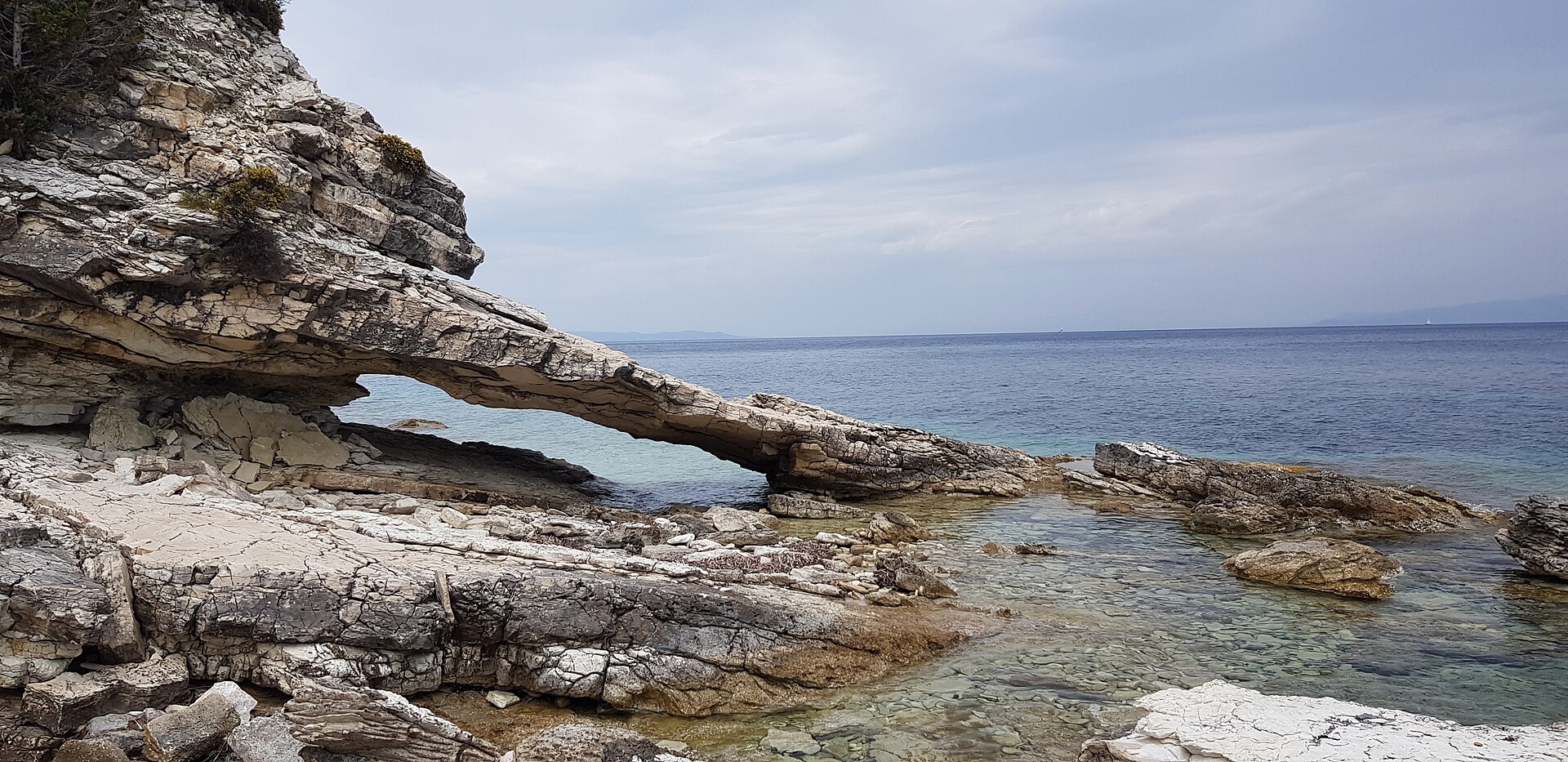
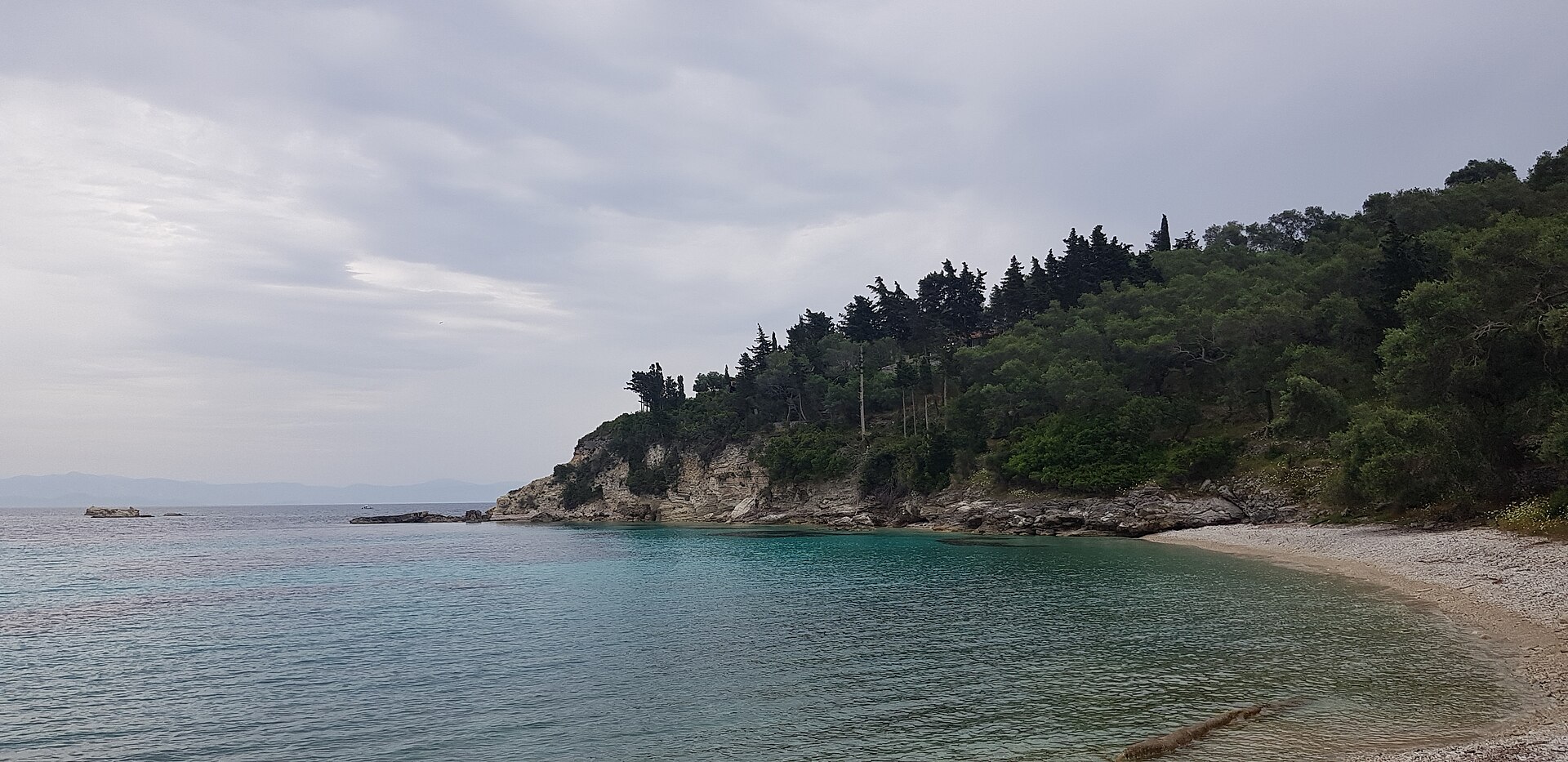
Continuing beyond Levrechio along a shaded coastal path, you reach Marmari beach. This stretch of coast is a true hymn to the Mediterranean scrub: the path winds between dry-stone walls and centuries-old olive groves, offering panoramic glimpses of the sea below. Marmari is a twin beach to Levrechio, but even more intimate and sheltered. The large pale pebbles reflect the sunlight, making the water incredibly bright and clear, perfect for snorkelling. Here nature reigns supreme and the silence is broken only by the song of cicadas and the gentle lapping of the waves. It is the favourite spot for those seeking solitude and direct contact with the marine environment, away from the island's busier areas.
The hinterland: a sea of silvery green
Behind Longos stretches a magical hinterland, dominated by an unbroken forest of olive trees. These are no ordinary trees: many have gnarled, twisted trunks over three hundred years old, planted during the Venetian era. Exploring the surroundings of Longos on foot means walking a network of ancient paths that link the village to nearby hamlets and small forgotten chapels. The landscape is characterised by the 'lithies', the typical dry-stone walls built with local limestone, which mark out properties and terrace the slopes. In spring, the undergrowth bursts into bloom with anemones, wild orchids and sage, creating a wonderful contrast with the silvery green of the olive leaves. This area offers a cool, silent refuge, ideal for those wishing to discover the more rural and authentic face of Paxos.
Not-to-be-missed experiences in Longos
Flavours and traditions: the island's cuisine
The gastronomy of Longos reflects the richness of the land and its cosmopolitan history. Paxos olive oil is the star ingredient, used generously in every dish. Among the local specialities, 'Bourdeto' stands out, a spicy fish soup made with scorpionfish and tomato, of clear Venetian influence. Another not-to-be-missed dish is 'Sofrito', veal slow-cooked with garlic, parsley and vinegar, which testifies to the cultural bond with nearby Corfu. There is no shortage of local produce, such as thyme honey and local goat's cheeses. The taverns of Longos are famous for the quality of their ingredients, often supplied directly from the owners' vegetable gardens or by the village's fishermen. Ending the meal with a glass of local wine, produced in small quantities in the vineyards of the hinterland, is the best way to honour Greek conviviality.
When to go and how to experience the village
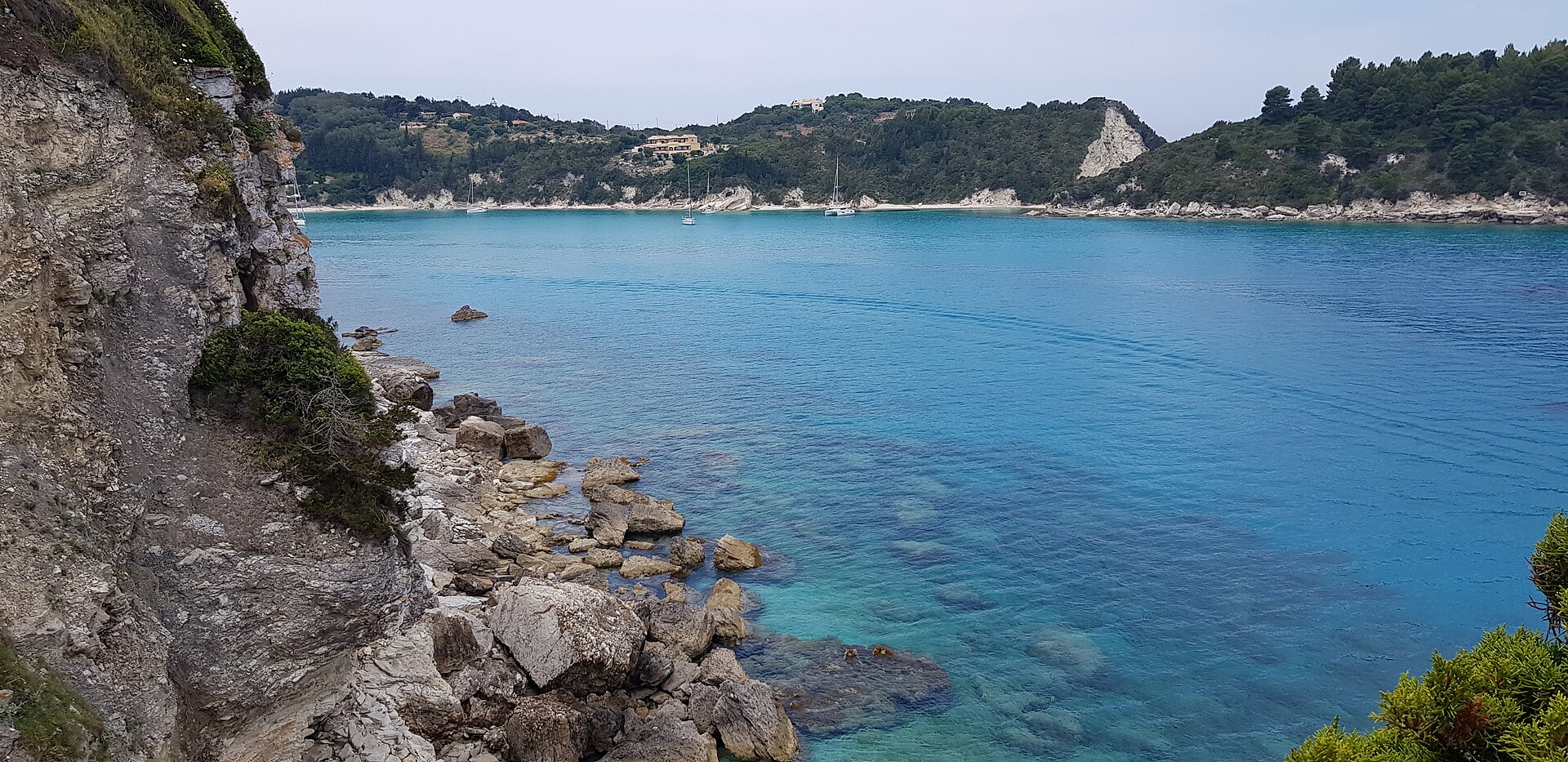
The ideal period to visit Longos runs from May to October. Late spring and early autumn (May, June and September) are the best months for those who love hiking and want to enjoy absolute peace, with mild temperatures and nature in full bloom. July and August are the liveliest months, when the village fills with visitors and yachts, but it still retains a relaxed atmosphere compared to other Greek destinations. To experience Longos to the full, the advice is to forget the car: the village is so small that you can comfortably get around on foot, and many of the most beautiful beaches can be reached with short walks or by boat. Let curiosity guide you, explore the alleys climbing towards the hill, and treat yourself to the luxury of doing nothing but watching the sea while sipping a Greek coffee.
FAQ
È possibile parcheggiare a Longos?
Quanto tempo occorre per visitare il borgo?
Ci sono servizi per bambini?
Come ci si sposta da Longos verso Gaios o Lakka?
Getting there
- Aeroporto di Corfù (CFU) - collegato via mare
- Nessuna linea ferroviaria disponibile sull'isola
- Longos si raggiunge percorrendo la strada principale che attraversa l'isola di Paxos, collegandola a Gaios (porto principale) in circa 15-20 minuti di auto.
- Il modo più suggestivo per arrivare a Paxos è l'aliscafo o il traghetto da Corfù o Igoumenitsa; una volta al porto di Gaios, potete prendere un taxi per Longos.
Perfect for
L'atmosfera romantica e silenziosa del porto al tramonto rende Longos la meta perfetta per una fuga d'amore lontano dal caos.
Il borgo è un punto di partenza strategico per noleggiare barche e scoprire le grotte marine e le calette segrete della costa nord.
Per gli amanti della cucina autentica, le taverne di Longos offrono alcuni dei migliori piatti di pesce e specialità ionie dell'arcipelago.