Sami
Sami is not merely the main gateway for those arriving on Kefalonia from mainland Greece or from Italy; it is a luminous threshold...
Updated 7 July 2026
This season · July · Summer
What to do in Sami now
The story
The story of Sami
The legacy of Same: between myth and archaeology
The story of Sami began millennia ago, when it was known as Same, mentioned even by Homer in the Odyssey. During classical antiquity it was one of the island's dominant powers, able to withstand the Roman siege of 189 BC for a full four months. This warlike temperament and the commercial wealth derived from its safe harbour have left indelible traces on the territory. On the hills overlooking the modern town, the imposing cyclopean walls and the remains of the acropolis still testify today to the greatness of that civilisation. Over the centuries, Sami passed under Byzantine, Norman and Venetian control, each of which contributed to layering the local culture, before the twentieth-century earthquake forced the community into total reconstruction, giving the town the orderly, welcoming appearance we admire today.
The Underground Lake of Melissani
A short distance from the centre of Sami lies one of the most striking places in all of Greece: the Melissani cave. This geological masterpiece is an underground lake discovered only in 1951, whose ceiling partially collapsed due to a past earthquake, allowing the sun's rays to penetrate vertically. The magical moment happens at midday, when the light strikes the water creating plays of blue and turquoise so intense that the rowing boats seem to hang suspended in mid-air. The cave, also known as the 'Cave of the Nymphs' because of finds linked to the cult of the god Pan discovered inside it, offers an almost mystical experience as you venture into the silence of its rocky walls, broken only by the rhythmic sound of the oars.
The Drogarati Cave
Another jewel of Sami's underground is the Drogarati cave, a millennia-old cavern located about 60 metres below the surface. Formed by stalactites and stalagmites shaped over millions of years, the cave is famous for its 'Apotheosis Hall', an immense natural chamber with such perfect acoustics that it has been used in the past for classical and opera concerts, once even hosting Maria Callas. The constant temperature of 18 degrees and the solemn atmosphere make a visit to Drogarati a fascinating journey into the bowels of the earth, where nature has carved bizarre and spectacular forms that almost resemble baroque architecture.
Antisamos: the emerald-coloured beach
Few beaches in the world can boast the chromatic contrast of Antisamos. Reached via a scenic road offering breathtaking views over the bay, this stretch of white pebbles is framed by mountains covered in dense vegetation that seems to plunge straight into the sea. The water is crystal clear, with shades ranging from emerald green to deep blue. Made famous by cinema, Antisamos retains a wild charm despite modern amenities. It is the ideal place for snorkelling, thanks to the richness of the seabed, or simply for enjoying the sun in a setting that perfectly embodies the ideal of unspoiled Mediterranean scrub.
The Acropolis of Kyatis and the cyclopean walls
For lovers of trekking and history, the climb to the ancient acropolis of Sami is an unmissable experience. The ruins spread across two hills, Paleokastro and Agioi Fanentes, where you can admire the remains of powerful defensive walls built with massive stone blocks, typical of Hellenistic architecture. Walking among these remains means retracing the steps of a civilisation that controlled trade in the Ionian Sea. From the summit, the view sweeps across the whole valley of Sami and towards the island of Ithaca, offering a privileged vantage point that immediately explains why this place was considered strategically impregnable in antiquity.
The Monastery of Agrilion
Perched on the hill overlooking the bay, the Monastery of Agrilion is a place of peace and spirituality surrounded by centuries-old olive trees. Founded in the 18th century on the spot where a miraculous icon of the Virgin Mary was found, the monastery offers not only a religious refuge but also one of the finest viewpoints in the area. From here, the eye can take in the entire gulf of Sami, the Ithaca channel and, on the clearest days, the coasts of the mainland. The simple architecture and the welcome of the few remaining monks make the visit a moment of reflection far from the tourist bustle.
Karavomylos and the geological mystery
The small coastal village of Karavomylos, just a few kilometres from Sami, conceals a fascinating geological phenomenon linked to the island's waters. Here ends the underground journey of the waters that sink into the 'Katavothres' near Argostoli, on the other side of the island, and resurface after crossing the whole of Kefalonia. The village is characterised by a picturesque brackish-water lake right beside the sea, where a water mill once stood. It is an ideal spot for an evening stroll, with its weeping willows reflected in the water and a tranquillity that invites total relaxation.
Landscape and nature: the embrace of Mount Ainos
Sami is the eastern gateway to Mount Ainos National Park, the highest peak in the Ionian Islands. The surrounding landscape is dominated by Abies cephalonica, a native black fir that grows only here and gives the mountains a dark, majestic appearance. Sami's hinterland is a succession of fertile valleys and steep slopes, where nature reigns supreme. Trekking enthusiasts will find numerous marked trails linking the coast to the mountain peaks, crossing dense woods and offering encounters with local wildlife, including the famous wild horses that live on the slopes of Ainos.
Traditions and flavours of the Ionian land
Gastronomy in Sami is a triumph of local produce and time-honoured recipes. You cannot say you have visited the place without having tasted 'Kreatopita', the celebrated Kefalonian meat pie, enriched with rice and spices. The area is also famous for the production of Robola wine, a dry, mineral white made from grapes grown on the limestone soils of the surrounding hills. Thyme honey, extra virgin olive oil and cheeses such as feta and mizithra complete a culinary picture that reflects the generosity of the land. Folk traditions come alive above all during religious festivals, such as that of Panagia Agrilion on 15 August, when traditional music and dancing bring the whole community together.
Experiences not to be missed
- Hire a rowing boat to explore the blue waters of the Melissani Cave at midday.
- Walk the path leading up to the Acropolis of Sami at sunset to enjoy the view over Ithaca.
- Dine at one of the seafront taverns, savouring fresh fish and a glass of chilled Robola.
- Take a day trip to nearby Agia Effimia, a picturesque fishing village.
- Spend a day of total relaxation on the white pebbles of Antisamos beach.
- Visit the small local archaeological museum to admire the Roman mosaics found in the area.
When to go and how to experience Sami
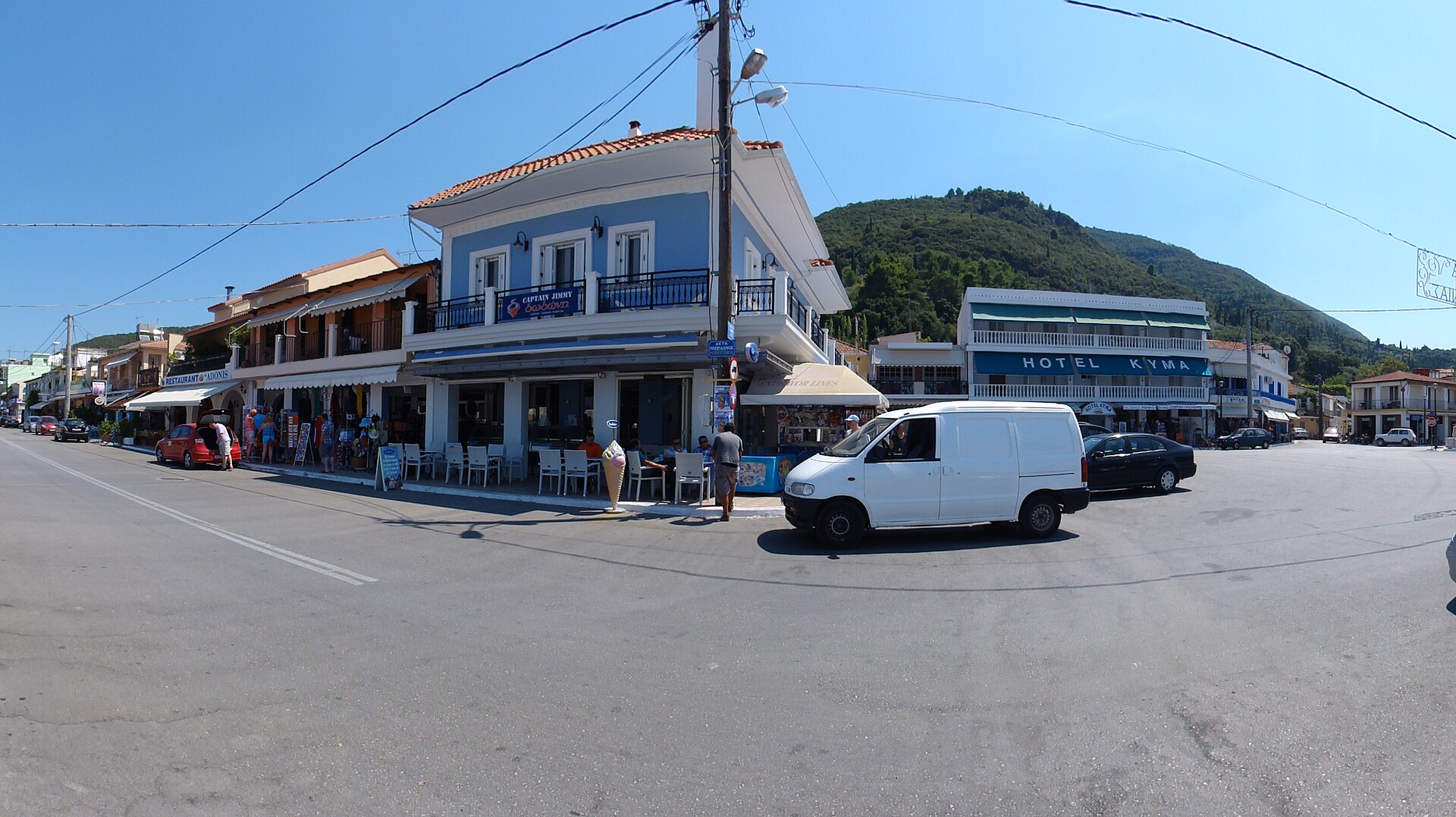
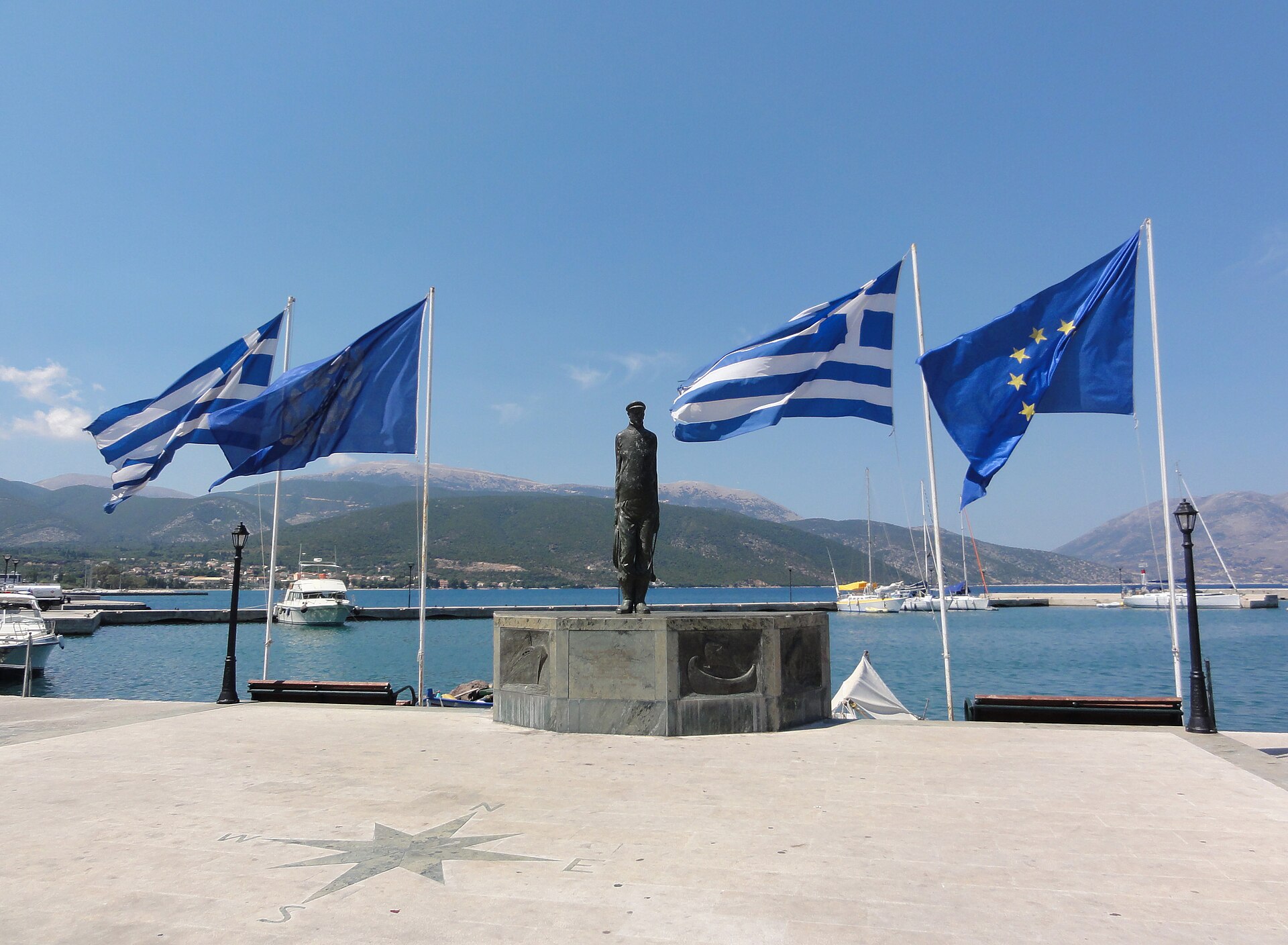
Sami is an enjoyable destination from May to October. Late spring and early autumn are the best times for those wishing to hike and enjoy nature without the intense heat of July and August. During summer, the town buzzes with life thanks to travellers disembarking from the ferries, yet it always manages to keep a quiet corner. Living Sami means abandoning haste: sitting in the morning at a café facing the harbour, watching the coming and going of ships, and letting yourself be inspired by the unique light of the Ionian Sea, calmly planning your next discovery among caves, beaches and ancient ruins.
FAQ
Quanto tempo occorre per visitare Sami?
È adatta alle famiglie con bambini?
Dove si può parcheggiare a Sami?
È necessario prenotare la visita alle grotte?
Getting there
- Aeroporto Internazionale di Cefalonia (EFL) - circa 35 km
- Nessuna linea ferroviaria sull'isola
- Da Argostoli seguire le indicazioni per Sami lungo la strada principale che attraversa l'isola (circa 40 minuti).
- Sami è collegata via traghetto a Patrasso, Astakos e all'isola di Itaca; è il punto di arrivo ideale se viaggiate con la vostra auto dalla Grecia continentale.
Perfect for
Un paradiso per chi ama i fenomeni naturali unici, dalle grotte sotterranee ai laghi salmastri.
Rivivi le atmosfere de 'Il mandolino del capitano Corelli' tra le strade e le spiagge che hanno fatto da set al film.
Un viaggio nel tempo tra mura ciclopiche e resti di un'antica potenza marittima ellenistica.
To see