Varvara
Nestled in the verdant heart of northern Corfu, Varvara reveals itself to travellers as a secret jealously guarded by the hills ov...
Updated 7 July 2026
This season · July · Summer
What to do in Varvara now
The story
The story of Varvara
A journey through time: the history of Varvara
The history of Varvara is closely tied to the vicissitudes of the island of Corfu, a strategic crossroads between the Byzantine East and the Latin West. Although the exact origins of the settlement are lost in the mists of the Middle Ages, the village experienced its period of greatest architectural and social definition under the long rule of the Serene Republic of Venice. The Venetians brought not only their administrative imprint but also transformed the local economy by encouraging the extensive cultivation of olive trees, which still dominates the landscape today. Over the centuries, Varvara withstood pirate raids thanks to its elevated, protected position, keeping intact the features of a self-sufficient farming village. After the French interlude and the British protectorate, the village preserved a proud local identity, evidenced by the survival of its dialects and popular customs.
Rural architecture and stone houses
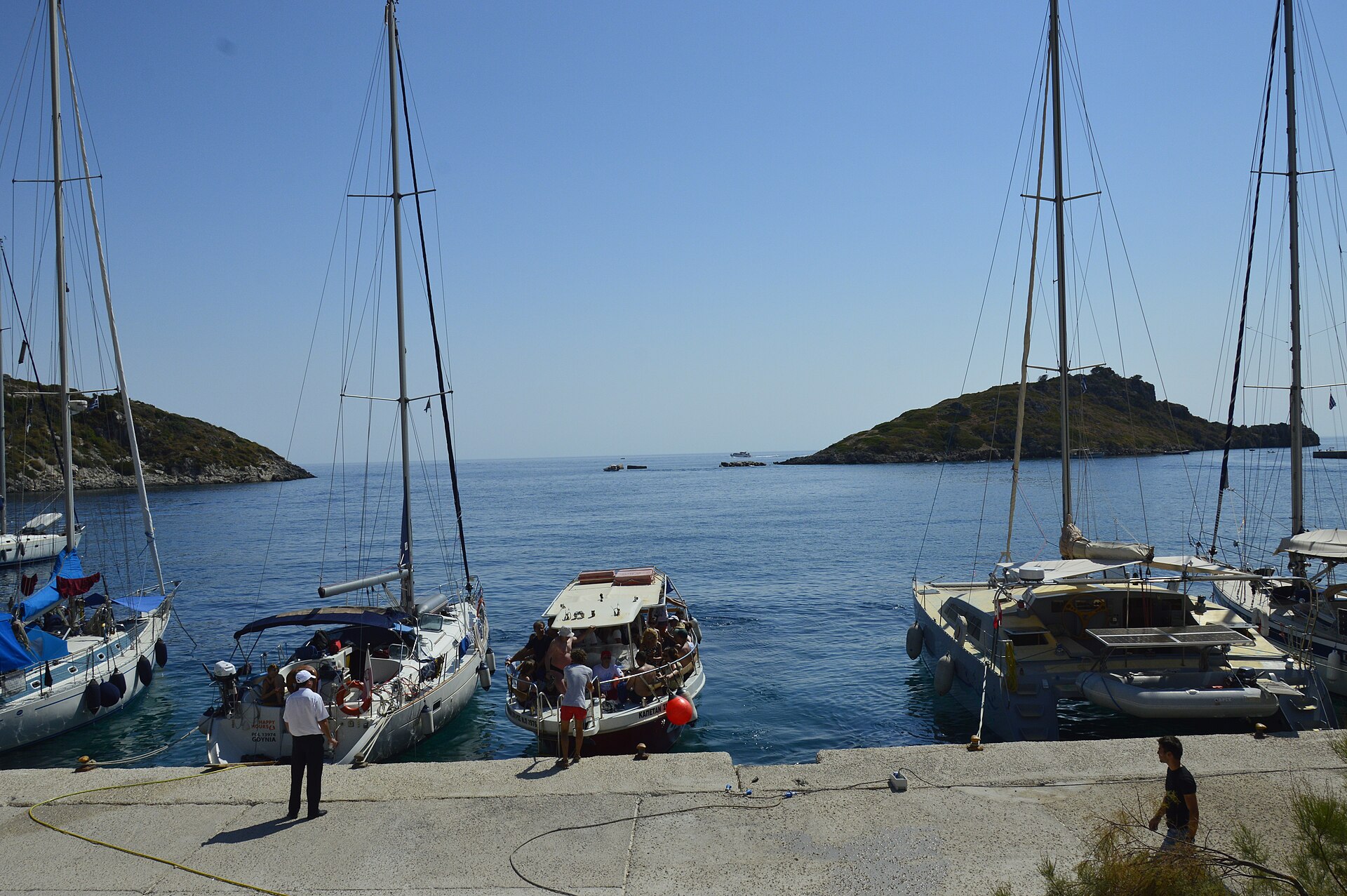
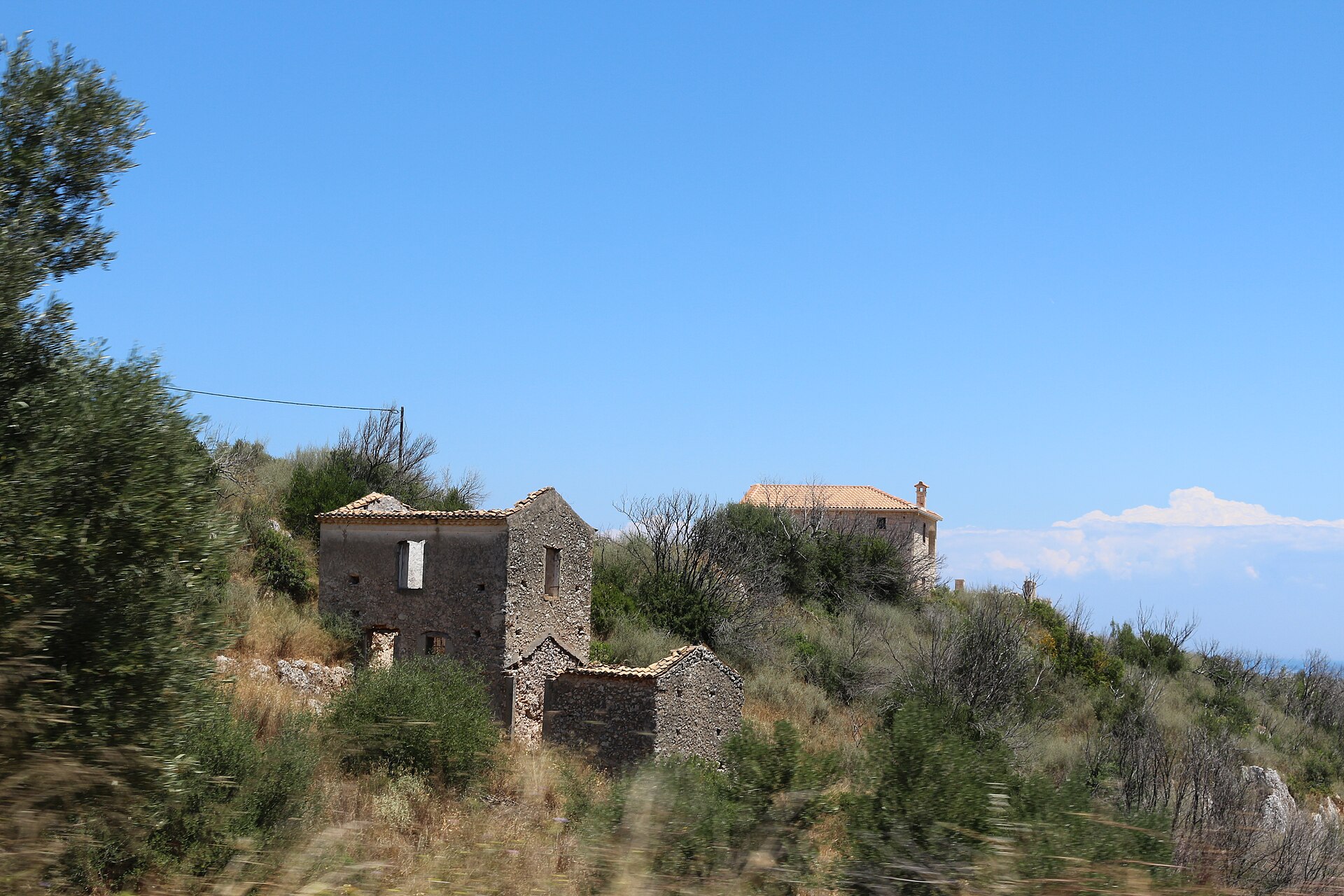
The element that immediately strikes visitors to Varvara is the coherence of its urban fabric, characterised by local stone houses that reflect the mastery of the ancient Corfiot stonemasons. These structures, often dating back to the 18th and 19th centuries, feature sober façades enhanced by small wrought-iron balconies or external staircases leading to the upper floors, once used as living quarters while the ground floor served as storage for agricultural produce. Many of these buildings have been skilfully restored, retaining the pastel colours typical of the Ionian aesthetic, ranging from ochre to Pompeian red. Walking among these buildings means reading the history of a community that knew how to use local resources to build a harmonious, functional habitat, perfectly integrated into the hillside.
The Church of Saint Nicholas: spiritual heart
The Church of Saint Nicholas (Agios Nikolaos) is the religious and social hub of the Varvara community. This sacred building, simple as it is, holds post-Byzantine art treasures of considerable interest. Inside, the atmosphere is intimate and evocative, dominated by a precious hand-carved wooden iconostasis separating the sanctuary from the nave. The icons, some of which date back centuries, show the influence of the Cretan-Corfiot school, with a skilful use of light and gold that lends sacredness to the space. The church is not merely a monument but a living place where the rites of Orthodox tradition are still celebrated today, marking the fundamental moments of village life and offering a privileged vantage point for understanding the deep local devotion.
The central square and community life
Every Greek village has a beating heart, and in Varvara this is its main square, a small open space where life flows slowly beneath the shade of centuries-old trees. Here stands the traditional kafeneio, where the village elders gather to discuss politics or simply sip a Greek coffee accompanied by a glass of cold water. The square is where the main festivities are held and where, on summer evenings, residents gather to enjoy the hillside breeze. For the visitor, stopping in this space means observing Greek sociability up close, made of simple gestures and a sense of welcome that makes anyone feel part of the community, far from the frenzy of the seaside resorts.
The landscape: between olive groves and sea
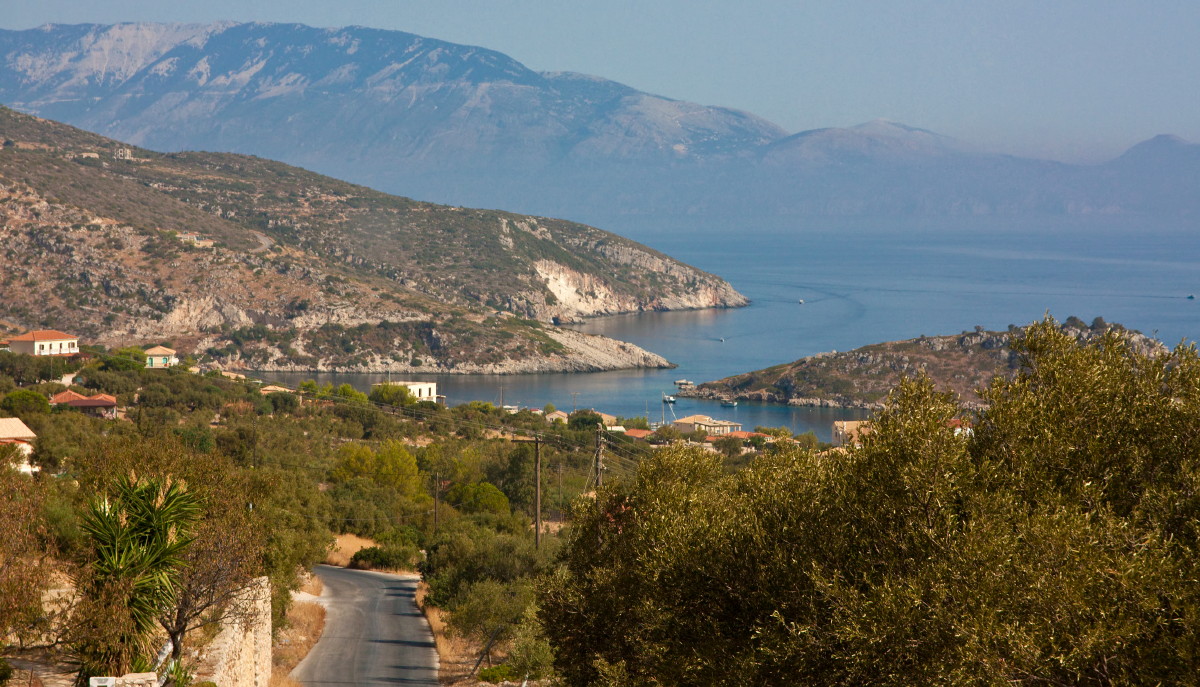
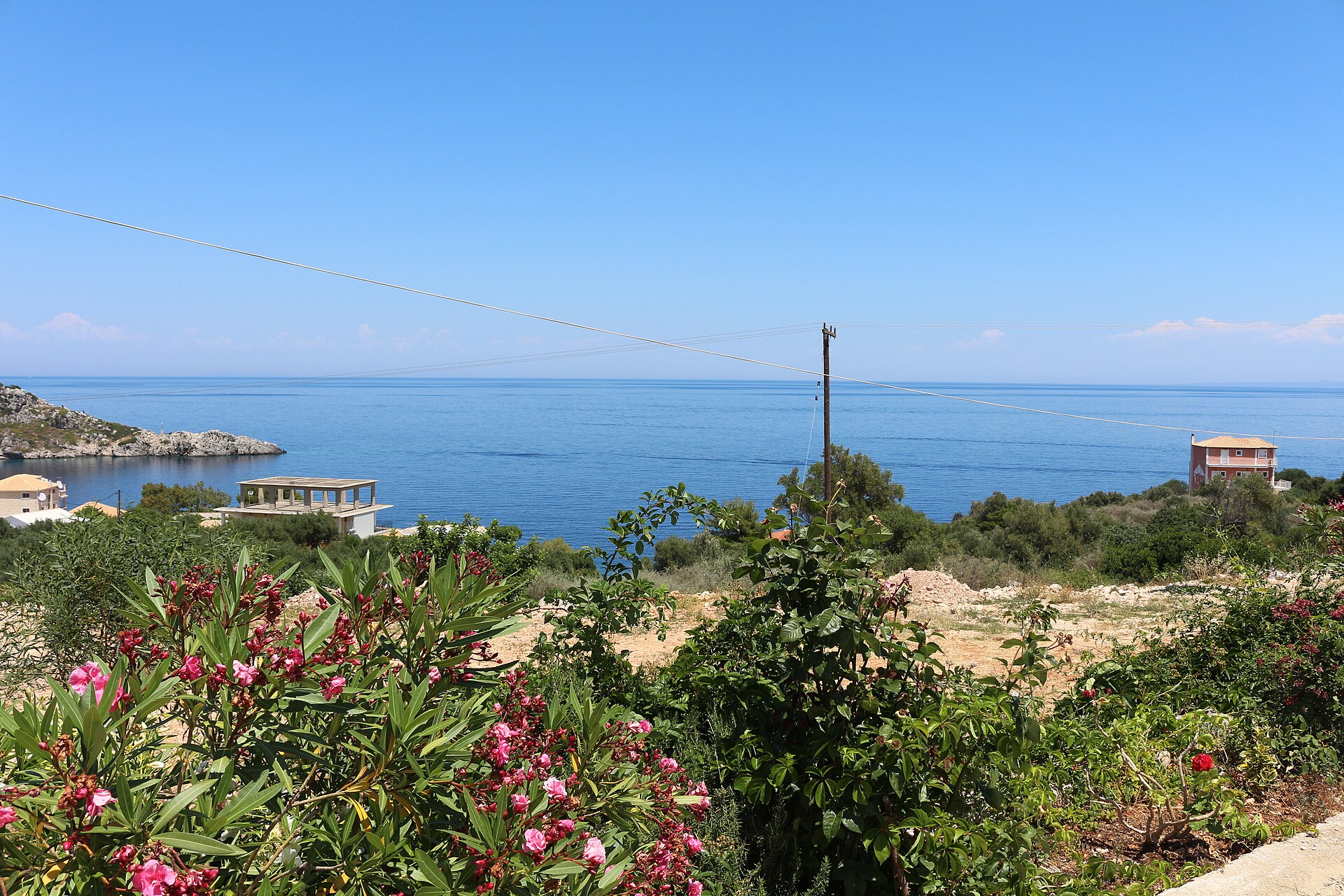
The landscape surrounding Varvara is a hymn to Mediterranean biodiversity. The village is surrounded by a veritable forest of olive trees, many with gnarled, twisted trunks that tell centuries of history. This silvery-green sea is broken here and there by slender cypresses and patches of oak, creating a chromatic mosaic of extraordinary beauty. Looking towards the horizon, the view suddenly opens onto the deep blue of the Corfu Channel, offering panoramic glimpses that embrace the Albanian coast and the Diapontia Islands. Nature here is wild yet accessible, ideal for those wishing to explore the area on foot, discovering ancient paths that once linked the mountain villages to the coastal ports.
Nearby: the allure of Palea Perithia
A short distance from Varvara lies one of the most fascinating places on the entire island: Palea Perithia. This is an ancient Byzantine village, once abandoned and now partly restored, nestled in a natural basin at the foot of Mount Pantokrator. Visiting Palea Perithia is like stepping into a time machine; its ruined stone houses, numerous small chapels and old-time taverns create a suspended, melancholic atmosphere. The proximity of Varvara to this ghost village makes it possible to organise excursions that combine the vitality of an inhabited village with the decadent charm of a historic site, offering a complete view of the settlement history of Corfu's hinterland.
Nearby coasts: the beaches of the North
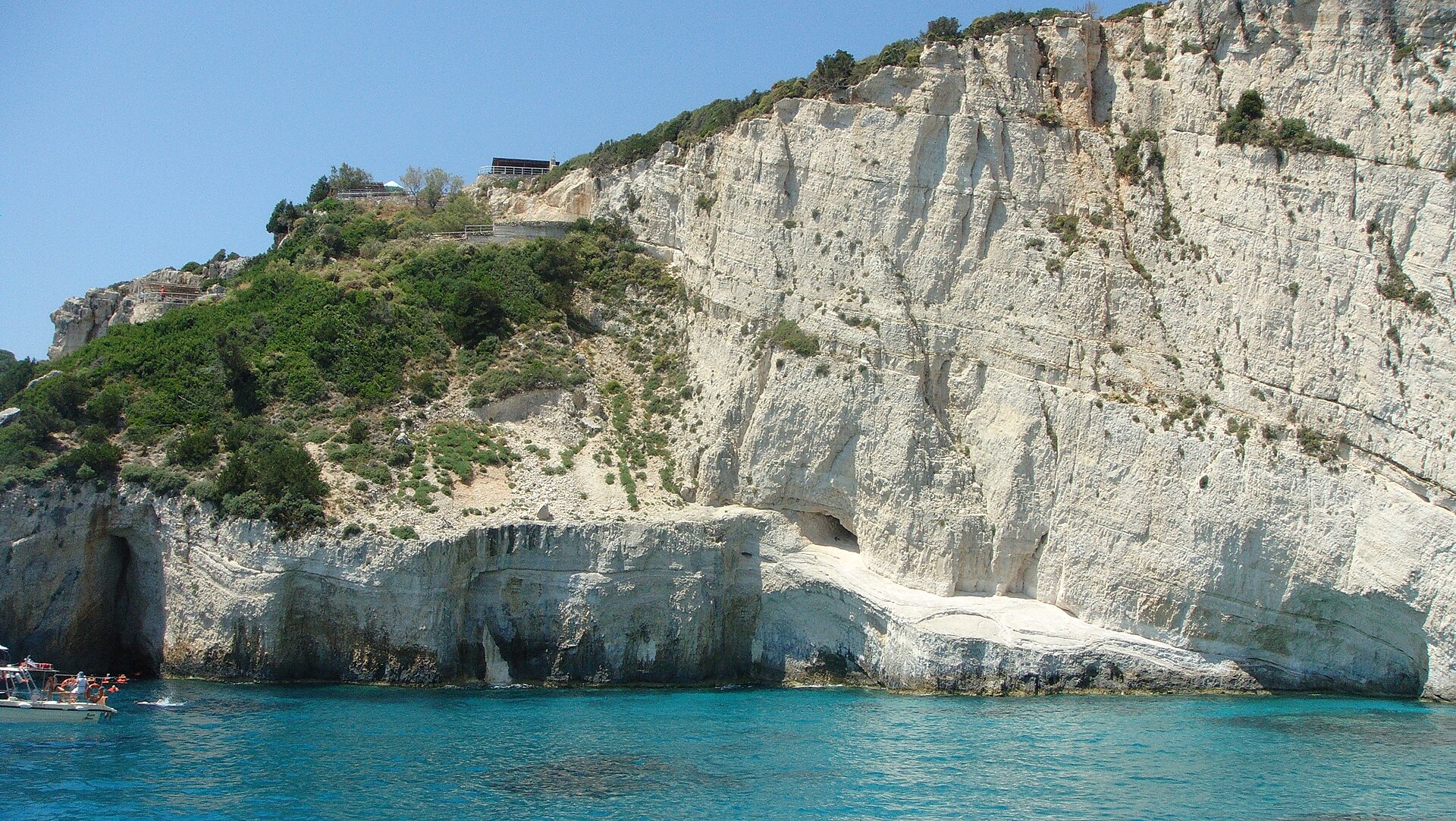
Although Varvara sits in a hillside position, the beaches of the northern coast are easily reached in just a few minutes by car. Places such as Acharavi and Roda offer long stretches of sand and pebbles with crystal-clear waters and shallow seabeds, ideal for families. For those seeking more intimate coves, the area towards Kassiopi hides rocky inlets where the sea takes on emerald hues. Varvara's location thus allows for a two-sided holiday: the peace and coolness of the hills in the evening and seaside fun during the day, offering the best of both Corfiot worlds.
Flavours and culinary traditions
The cuisine of Varvara reflects the richness of the land's produce. Here you can taste authentic Corfiot cuisine, influenced by the Venetian tradition. Among the not-to-be-missed dishes is *Pastitsada*, rooster or veal stewed with tomato and a secret spice blend called 'spetseriko', served with long pasta. Equally famous is *Sofrito*, thin slices of veal cooked with garlic, parsley and white wine vinegar. There is no shortage of local products such as extra virgin olive oil, with its bold, fruity flavour, and Kumquat liqueur, made from the small Chinese citrus fruit that has become a symbol of the island. Sitting down to eat in Varvara means rediscovering the pleasure of genuine flavours, where every ingredient is locally sourced.
Experiences not to be missed
- Take part in a 'Panigiri', the local religious festival with live music and traditional dancing.
- Walk stretches of the nearby Corfu Trail for a total immersion in nature.
- Taste the local wine, artisanally produced in the village families' cellars.
- Visit the area's olive presses during the olive harvest season in autumn.
- Watch the sunset from the panoramic viewpoints along the road leading to Mount Pantokrator.
When to go and how to experience the village
The best time to visit Varvara runs from late spring to early autumn. May and June are magical months, with nature in full bloom and ideal temperatures for hiking. Summer, although hot, is tempered by altitude and breeze, making evenings pleasantly cool. September and October, on the other hand, offer the chance to witness the grape harvest and the subsequent olive harvest, key moments in rural life. To experience Varvara to the fullest, it is advisable to hire a car, an essential means for freely exploring both the hinterland and the coast, and to let curiosity guide you, taking the side roads that always hold unexpected panoramic surprises.
FAQ
Cosa vedere a Varvara in un giorno?
Varvara è adatta alle famiglie con bambini?
Dove si può parcheggiare?
Quanto dista dal mare?
Getting there
- Aeroporto Internazionale di Corfù 'Ioannis Kapodistrias' (CFU) - 40 km
- Non sono presenti linee ferroviarie sull'isola di Corfù.
- Da Corfù città, seguire la strada costiera verso nord in direzione Kassiopi, poi deviare verso l'interno seguendo le indicazioni per Loutses e Varvara.
- Le strade nell'entroterra sono panoramiche ma strette e tortuose; guidate con prudenza, specialmente di notte.
Perfect for
Perfetta per gli amanti delle camminate grazie ai sentieri che si snodano tra uliveti e montagne.
Un paradiso per chi cerca i sapori autentici della cucina corfiota e prodotti agricoli d'eccellenza.
Ideale per staccare la spina e immergersi in un'atmosfera di pace assoluta, lontano dal caos.
To see