Vlakhata
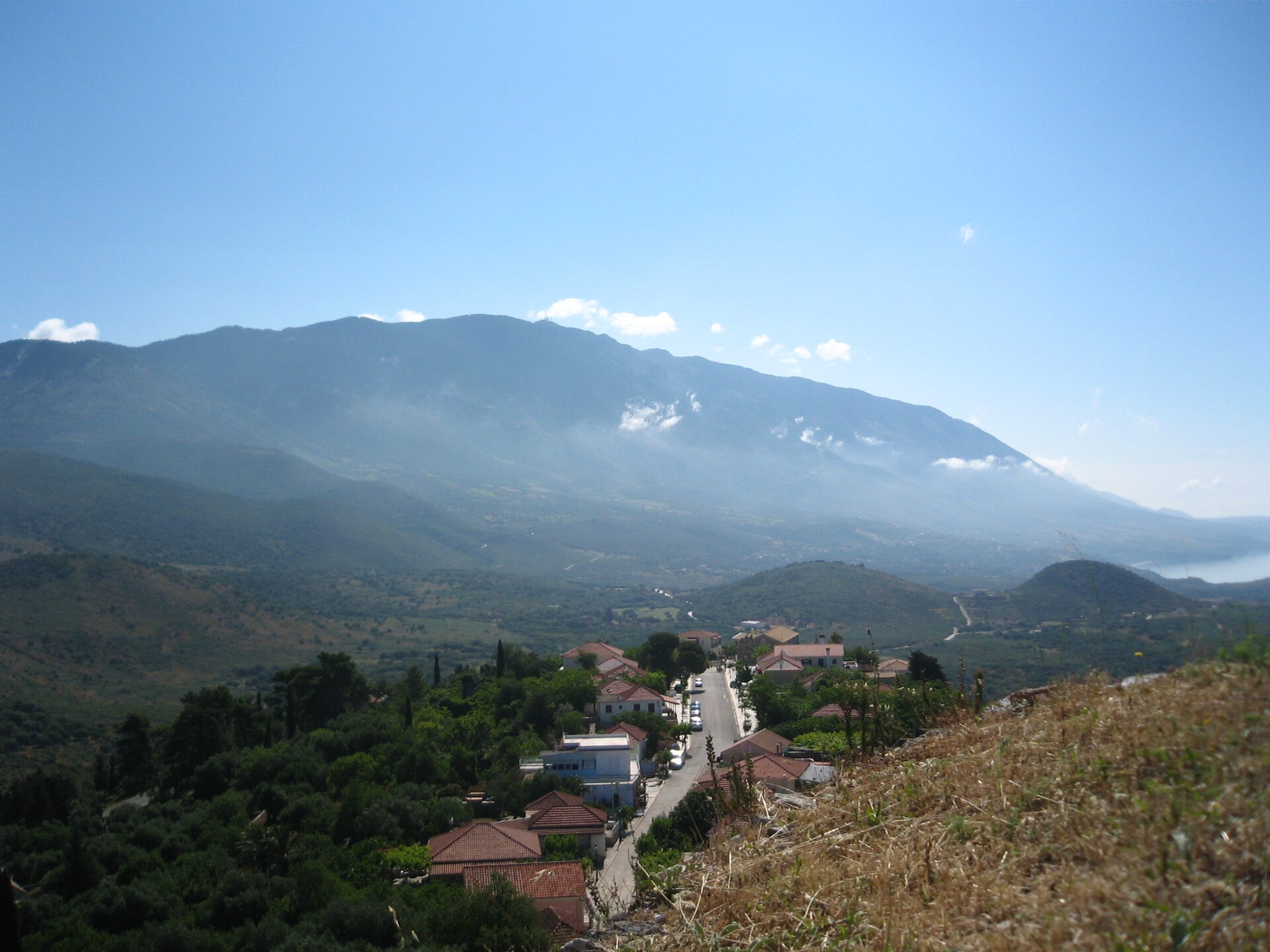
Perched like a natural balcony on the southern slopes of the majestic Mount Ainos, Vlakhata is one of the best-kept secrets on the...
Updated 7 July 2026
The story
The story of Vlakhata
Historical roots: between foreign rule and resilience
The history of Vlakhata is closely bound up with the shifting fortunes of Kefalonia, an island that for centuries was fought over by the great powers of the Mediterranean. Originally founded in a slightly different location from today's, the community lived through the golden age of Venetian rule, which left an indelible mark on the rural architecture and local culture. During the centuries of Venetian dominion, the Leivathos area became a vital agricultural centre, thanks to the fertility of its volcanic and limestone soil. Later, the brief French interlude and the long British protectorate helped modernise the infrastructure, but it was the catastrophic event of 1953 that marked the true turning point. The great earthquake destroyed almost the entire old village, forcing the inhabitants to rebuild their lives and homes from scratch, giving rise to the present-day layout we admire today, suspended between modernity and memory.
Lourdas Beach: embraced by the Ionian Sea
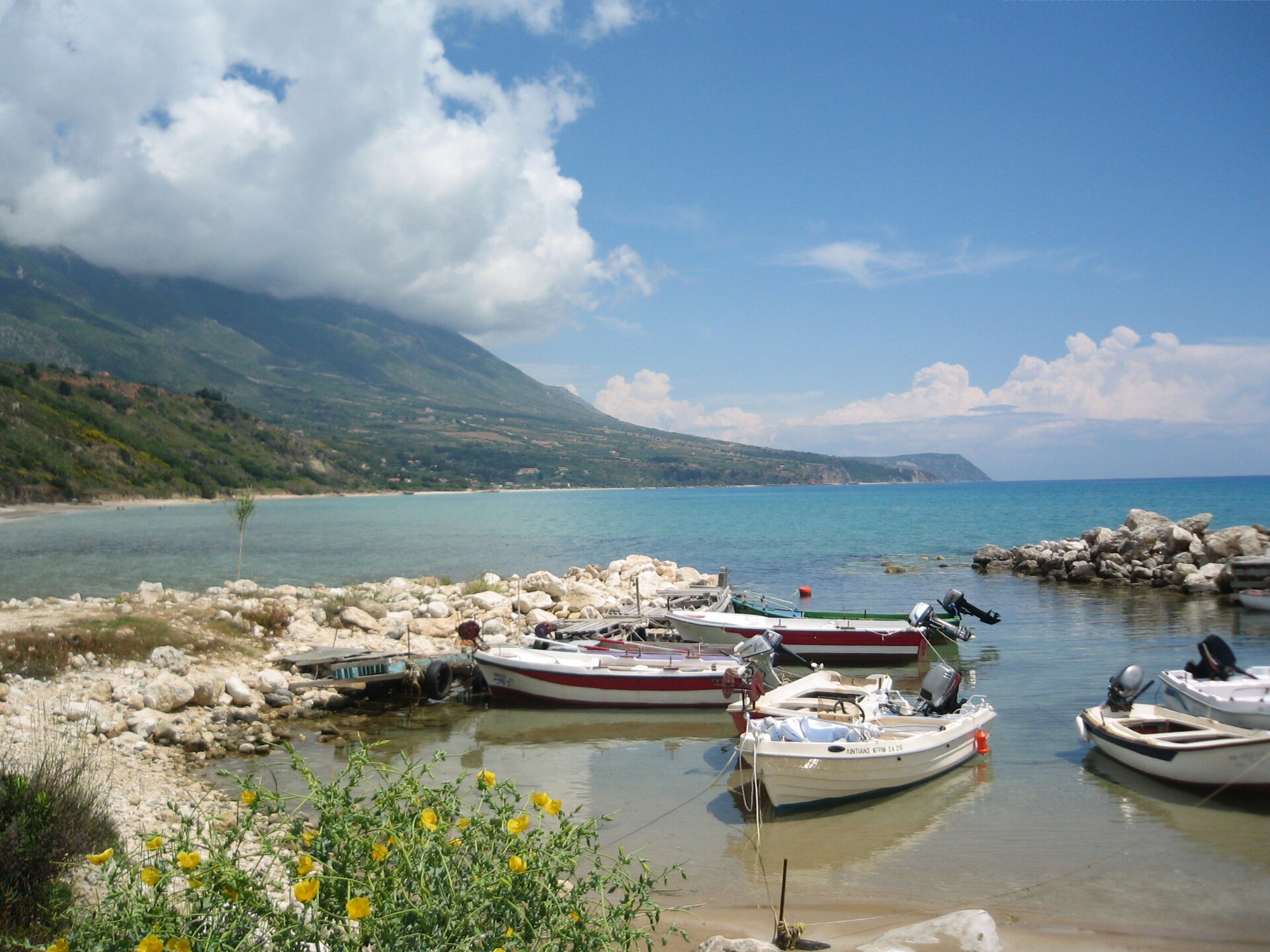
Lying just below the village of Vlakhata, Lourdas beach is one of the island's most iconic. It is a long stretch of sand mixed with small white pebbles, framed by lush vegetation that seems to plunge straight into the turquoise waters. What makes Lourdas special is the dramatic contrast between the sweep of the sea and the imposing wall of Mount Ainos towering behind it. The beach is well equipped yet retains a wild character, ideal for those seeking solitude. The sea currents here keep the water perpetually clear and invigorating, while the many small restaurants lining the shore let you enjoy fresh fish just steps from the water. It is the perfect place to watch the sunset light transform the colours of the rocks and sea into a palette of orange and violet.
The Monastery of Sissia: a stronghold of faith and legend
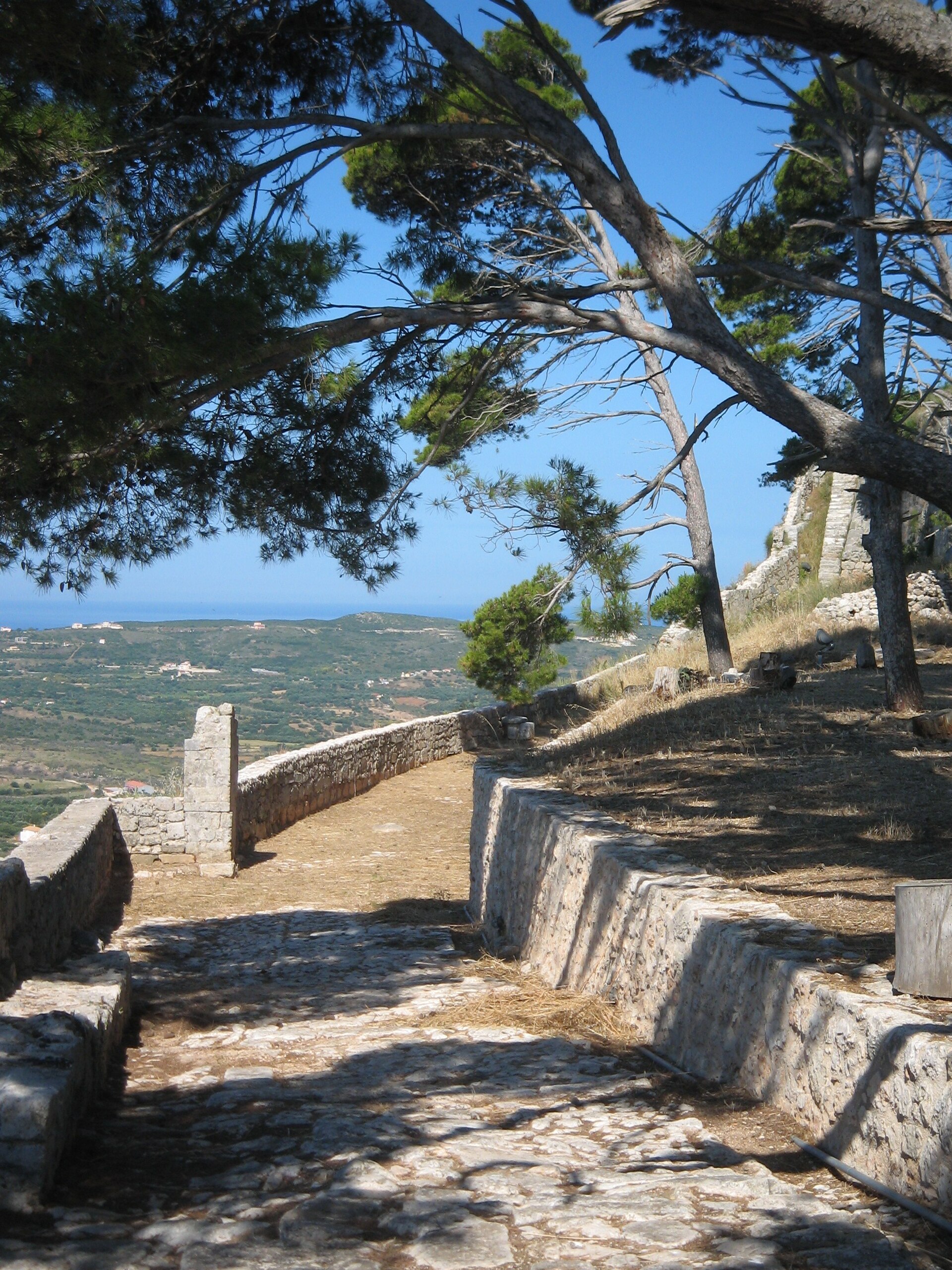
A short distance from Vlakhata, tucked away in a solitary, mystical valley, stands the Monastery of Sissia. According to local tradition, the original complex was founded in the 13th century by Saint Francis of Assisi during his journey home from the Holy Land, a detail that inextricably links Kefalonia to the story of European religious history. Although the original monastery was badly damaged by the 1953 earthquake, its ruins remain one of the most evocative sites in the area, with stone walls emerging from the vegetation like silent witnesses to a glorious past. The new monastery, built a short distance away, houses precious icons and continues to serve as a centre of Orthodox spirituality. A visit to Sissia is not just an artistic excursion but an experience of deep peace, broken only by the sound of church bells and the wind blowing through centuries-old olive trees.
Mount Ainos: Kefalonia's Black Giant
Vlakhata serves as a privileged gateway to the Mount Ainos National Park, the highest peak in the Ionian Islands at 1,628 metres. This mountain is famous for the Abies cephalonica, an endemic fir with especially dark foliage that gives the massif its nickname, the 'Black Mountain'. Exploring Ainos from Vlakhata means passing, within a matter of minutes, from the coastal Mediterranean climate to a surprisingly alpine environment. The trails winding through the forests offer the chance to spot the famous wild horses of Ainos, a rare breed that roams free on the mountain's slopes. From the summit, the view is breathtaking: on clear days the eye can make out the coast of the Peloponnese and the islands of Ithaca and Lefkada, offering a uniquely sweeping perspective over the whole of western Greece.
The old village of Vlakhata: memories carved in stone
For lovers of history and the allure of faded grandeur, a walk among the ruins of old Vlakhata is a must. The remains of the pre-earthquake houses, scattered among the new buildings and vegetable gardens, tell the story of life here before 1953. You can still make out carved stone doorways, the remnants of communal ovens and the foundations of ancient churches. These fragments of rural Venetian and Greek architecture offer a moving glimpse into the resilience of the inhabitants, who chose not to abandon this land but to rebuild alongside their own roots. In spring, anemones and wild orchids bloom among the grey stones, turning the ghost village into a spontaneous garden of rare beauty, where the silence is heavy with stories and nostalgia.
Traditions and flavours: the cuisine of Leivathos
Vlakhata's food culture is a hymn to the land. Here cooking is not merely nourishment but a ritual that celebrates local produce. The village is surrounded by vineyards of Robola grapes, the native varietal that produces a dry, mineral, wonderfully fragrant white wine, perfect alongside seafood dishes. Not to be missed is 'Kreatopita', Kefalonia's famous meat pie, made with three different kinds of meat, rice and a crisp, hand-rolled pastry. The flavours here are bold: the local extra-virgin olive oil has a peppery finish, and the thyme honey gathered on the slopes of Ainos is considered among the finest in Greece. Taking part in a 'panigiri', the local patron saint's festival, means being swept up in traditional dances and sampling dishes cooked in great open-air cauldrons, in an atmosphere of genuine conviviality.
Experiences not to miss in Vlakhata
- A sunset aperitif at one of the village's panoramic taverns, with views out towards Zakynthos.
- A guided trek through Mount Ainos National Park in search of the wild horses.
- A day of total relaxation in the crystal-clear waters of Lourdas beach.
- A visit to local wineries for a Robola of Kefalonia tasting.
- A night-time stroll to admire the star-studded sky, remarkably clear thanks to the low light pollution.
- An exploration of the old village ruins for a deep dive into the island's history.
The surrounding area
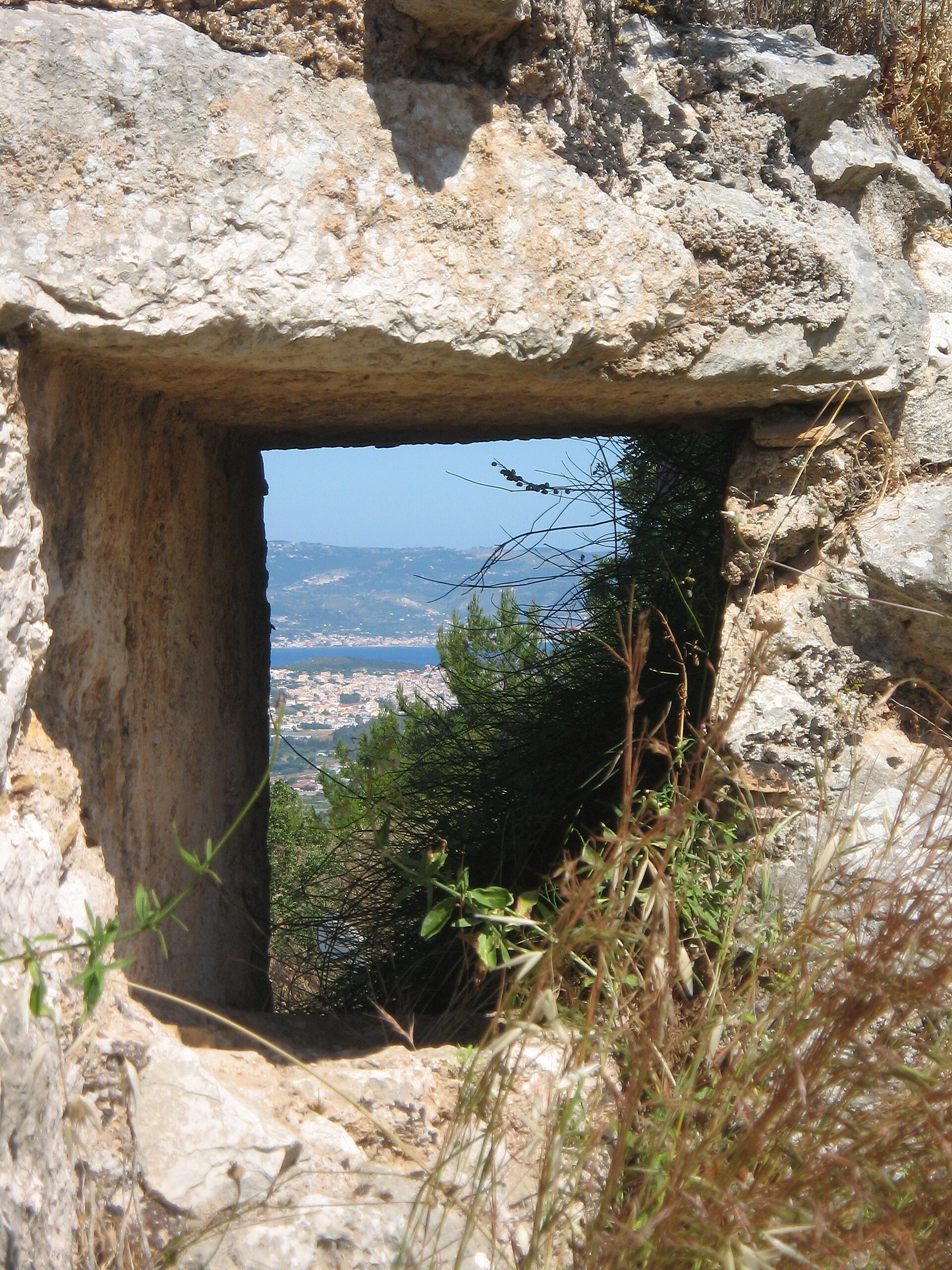
Vlakhata is the ideal starting point for exploring the Leivathos region. Just a few minutes' drive away lies the village of Simotata, also perched on the mountainside with spectacular views. Continuing westward, you reach the Castle of Saint George (Agios Georgios), the island's former capital, an imposing medieval fortress overlooking the plain below. Heading down towards the coast, you can discover hidden coves such as Trapezaki or Kanali, less crowded than Lourdas and ideal for those seeking maximum tranquillity. Its proximity to Argostoli, the island's capital, also makes it easy to alternate the peace of village life with the buzz of town life, its museums and its picturesque waterfront, where loggerhead sea turtles (Caretta caretta) can often be spotted.
When to go and how to experience the place
The best time to visit Vlakhata runs from May to October. Late spring (May and June) is magical for the wildflowers in bloom and offers ideal temperatures for hiking, while September brings sea still warm enough for swimming and a more relaxed atmosphere after the August peak season. To make the most of the place, it's worth renting a car, essential for getting around between the different levels of coast and mountain. Staying in one of the village's villas or apartments lets you enjoy the cool evening air and a view that never grows old. Vlakhata is not a place for a fleeting visit, but a destination that takes time to understand, made of silences, the scent of resin, and the constant presence of the sea on the horizon.
FAQ
È facile parcheggiare a Vlakhata e Lourdas?
Vlakhata è adatta a famiglie con bambini?
Quanto dista Vlakhata dall'aeroporto di Cefalonia?
Ci sono servizi essenziali nel villaggio?
Getting there
- Aeroporto Internazionale di Cefalonia (EFL) - 15 km
- Non presenti sull'isola
- Percorrere la strada costiera principale che collega Argostoli a Skala; Vlakhata si trova lungo il percorso, ben segnalata.
- Noleggiare un'auto è fondamentale per esplorare sia le spiagge sottostanti che il Parco Nazionale dell'Ainos.
Perfect for
Perfetto per chi ama le escursioni in montagna grazie alla vicinanza con il Monte Ainos e i suoi rari abeti neri.
La spiaggia di Lourdas offre acque cristalline e ampi spazi per giornate di sole in totale tranquillità.
Un paradiso per gli amanti del vino Robola e della cucina tradizionale ionica più autentica.
To see