Koroni
Nestled on the southwestern tip of the Peloponnese, where the waters of the Ionian Sea meet those of the Gulf of Messenia, Koroni...
Updated 8 July 2026
This season · July · Summer
What to do in Koroni now
The story
The story of Koroni
A history of empires and maritime routes
Koroni's roots reach back into antiquity, although its original location was slightly different from the current one. Often identified with ancient Asine, the town experienced its greatest strategic splendor during the Middle Ages. In 1206, after the Fourth Crusade, the Venetians took control of it, turning it into a military and commercial outpost of primary importance for the routes to the Levant. For centuries, Koroni was an impregnable stronghold, fiercely contested between the Republic of Venice and the Ottoman Empire. This alternation of rule left indelible marks on the urban fabric and the spirit of its inhabitants. In 1500 the town fell into Turkish hands, only to briefly return to Venetian rule at the end of the 17th century, and was finally liberated for good during the Greek War of Independence in 1828, thanks to the intervention of the French expeditionary corps under General Maison. Every stone of Koroni bears witness to this turbulent past, making it an open-air history book.
The Venetian Castle: a sentinel over the sea
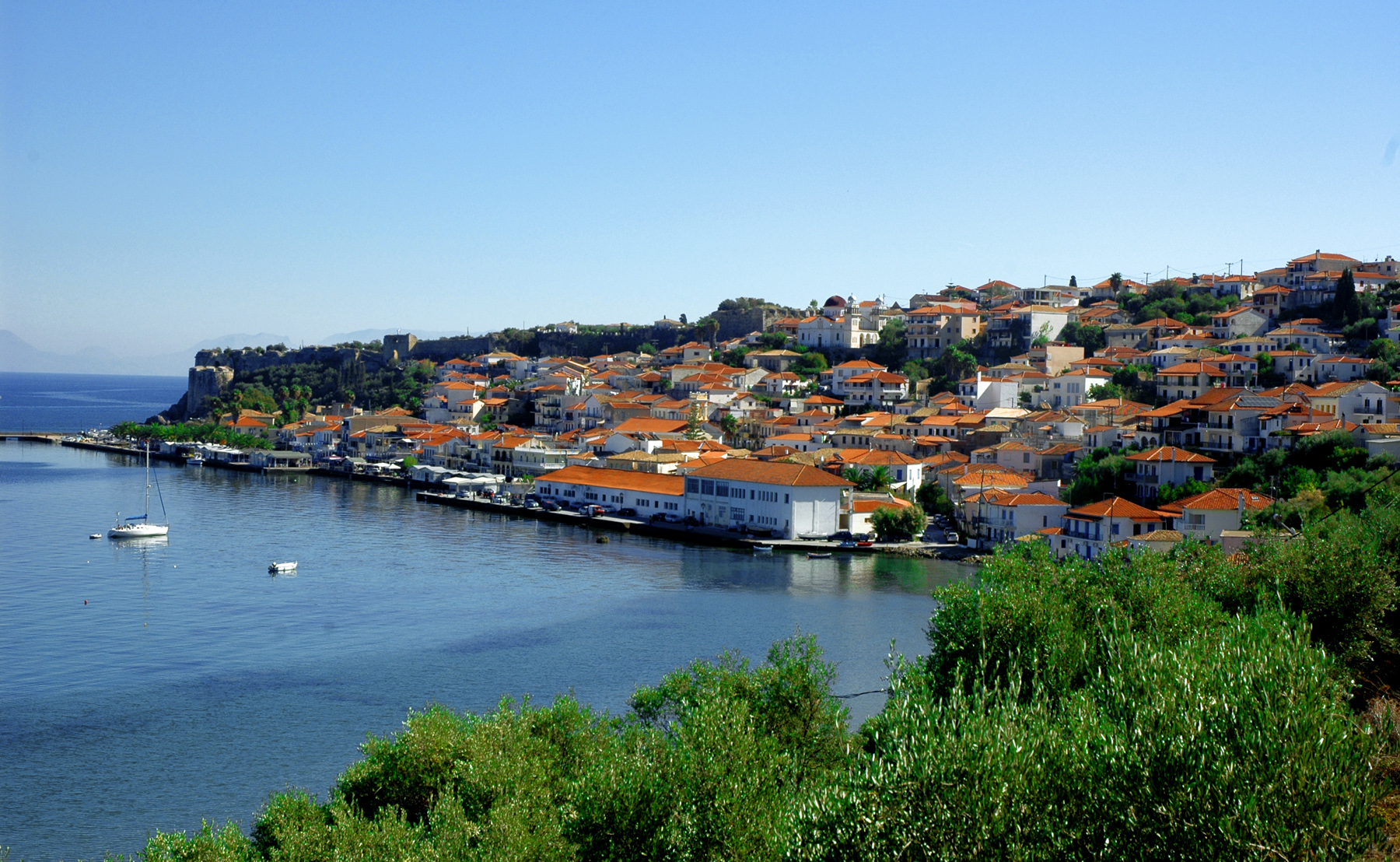
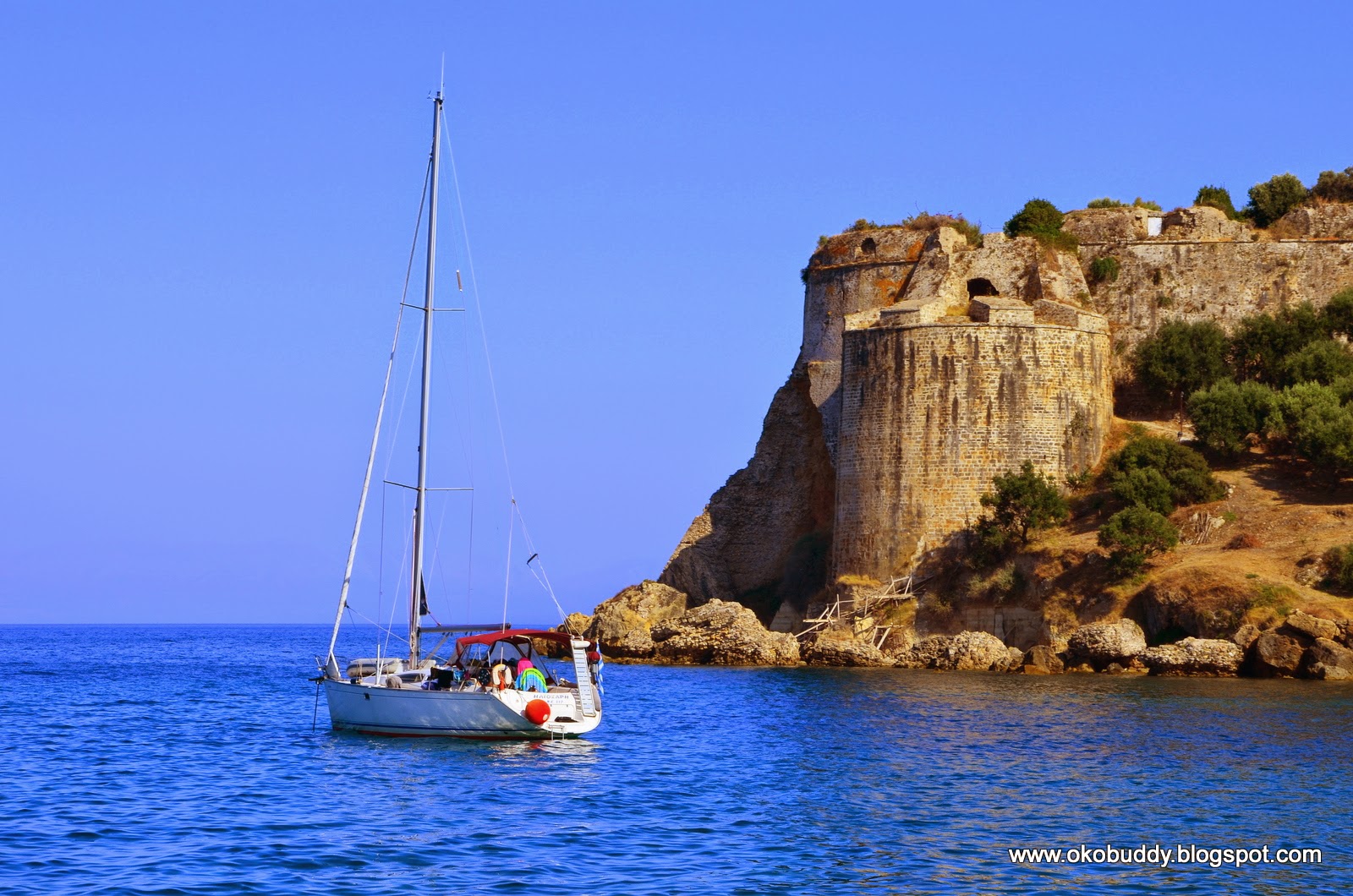
Koroni's most iconic monument is undoubtedly its imposing Castle, which dominates the promontory with a majesty that takes your breath away. Originally built by the Byzantines and later expanded and reinforced by the Venetians in the 13th century, it represents one of the finest examples of Venetian military architecture in the Mediterranean. What makes it unique is the fact that it is still partly inhabited today: within its walls stand private houses, small vegetable gardens and well-tended gardens, giving the fortress a lived-in, domestic atmosphere far removed from the coldness of a museum site. Walking along the ramparts, you can admire the various construction layers, from the circular Venetian towers to the modifications made by the Ottomans. The view enjoyed from the walls sweeps across the entire Gulf of Messenia to the peaks of Mount Taygetus, offering a natural spectacle that alone justifies a visit to the town.
The Monastery of Agios Ioannis
Located right within the castle's perimeter, the women's Monastery of Agios Ioannis Prodromos is an oasis of peace and spirituality. Founded at the beginning of the 20th century, the complex is arranged around inner courtyards lush with flowers, aromatic plants and fruit trees, tended with devotion by the nuns who live there. The architecture is simple and harmonious, with small cells and chapels that invite silence and reflection. It is possible to visit part of the monastery, admiring the sacred icons and sometimes purchasing handcrafted products made by the nuns, such as embroidery or painted icons. The presence of the monastery within the fortifications adds a further layer of charm to Koroni, creating a striking contrast between the martial power of the outer walls and the mystical sweetness of the inner spaces. It is a place where time seems to have stopped, offering a cool, silent refuge even on the hottest summer days.
The Church of Panagia Eleistria
Just below the castle walls, on a natural terrace looking straight out to sea, stands the church of Panagia Eleistria, Koroni's protectress. The current building dates back to the late 19th century and was built on the spot where, according to tradition, a miraculous icon of the Virgin was found. The church is set within a park dotted with palm trees and maritime pines, creating a setting of rare scenic beauty. The interior is carefully decorated and houses the venerated icon, a destination for pilgrimages especially during the feast of March 25th and the Friday after Easter. What makes this place special is the sense of suspension between land and sea; the sound of waves breaking on the rocks below accompanies the prayers of the faithful and the visits of tourists, making Panagia Eleistria one of the most spiritual and most photographed spots in the entire region.
The Seafront and the old harbor
The beating heart of Koroni's social life is its seafront promenade, a long pedestrian strip lined with traditional taverns, modern cafés and small craft shops. Here the architecture takes on a more maritime character, with pastel-colored buildings reflecting the sunlight. The old harbor, with its brightly colored wooden boats (the typical caiques), is the ideal place for an evening stroll. This is where local nightlife is concentrated, never excessive but always lively and welcoming. Sitting at one of the outdoor tables to enjoy grilled octopus or a glass of ouzo, watching passers-by go about their business and the slow movement of the boats, is an experience that perfectly embodies the Greek way of life. In the evening, the city lights reflect on the water, creating a romantic, evocative atmosphere, perfect for ending a day devoted to exploration.
Zaga Beach: sand and nature
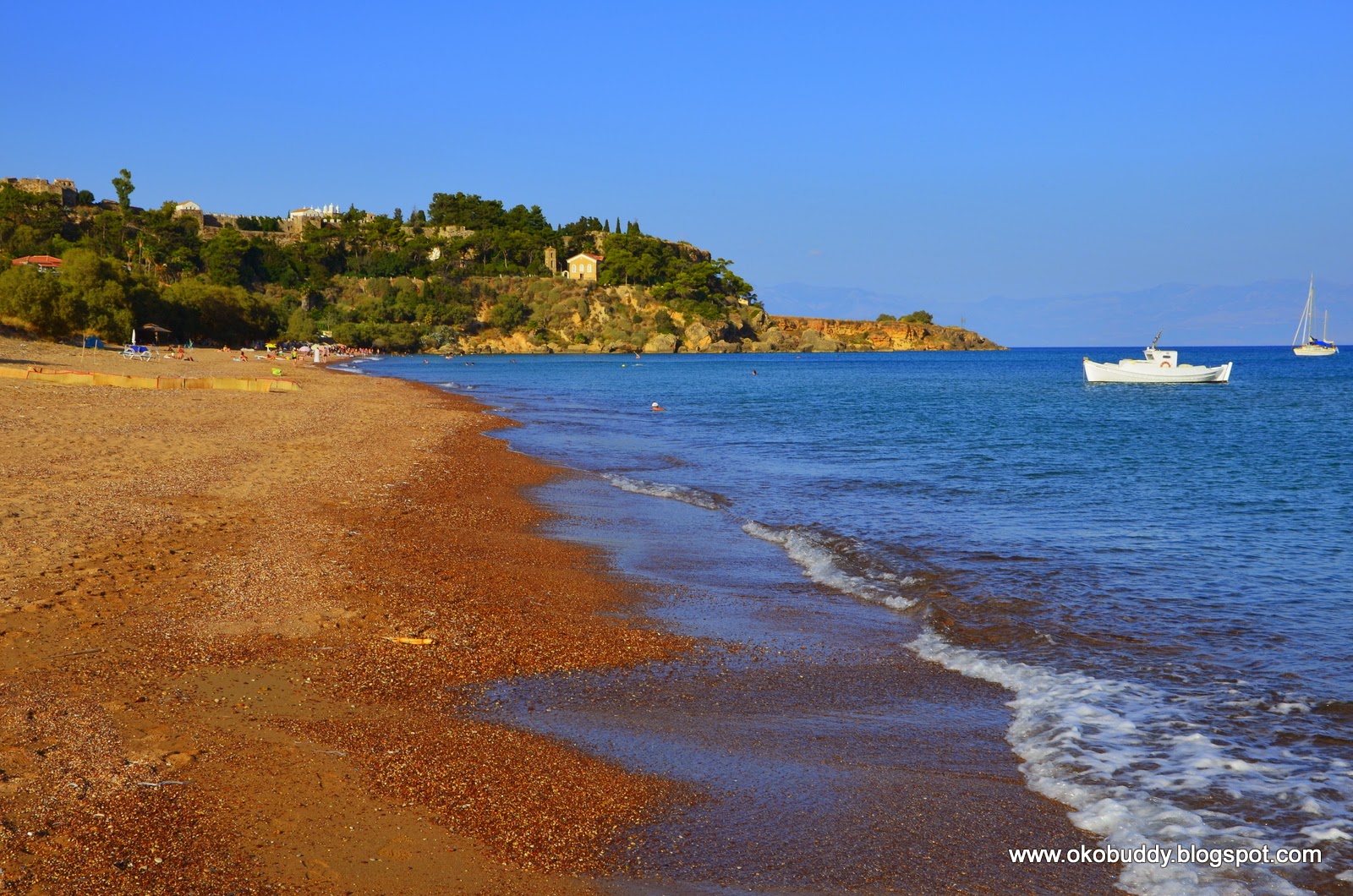
On the southern side of the promontory, at the foot of the fortress, stretches the magnificent Zaga beach, which then continues into Memi beach. It is a long expanse of golden sand lapped by shallow, crystal-clear waters, ideal for families and for those who love long swims. The beach is not only a place to relax but also an important ecological site: loggerhead sea turtles (Caretta caretta) often choose these sands to lay their eggs during the summer months. For this reason, some areas are protected and monitored by volunteers. Despite its popularity, Zaga retains a wild, unspoiled character, with wide stretches of free beach where you can enjoy the sun in complete tranquility. The contrast between the blue of the sea and the imposing profile of the castle looming over the beach makes every swim an unforgettable visual experience.
Experiences not to be missed in Koroni
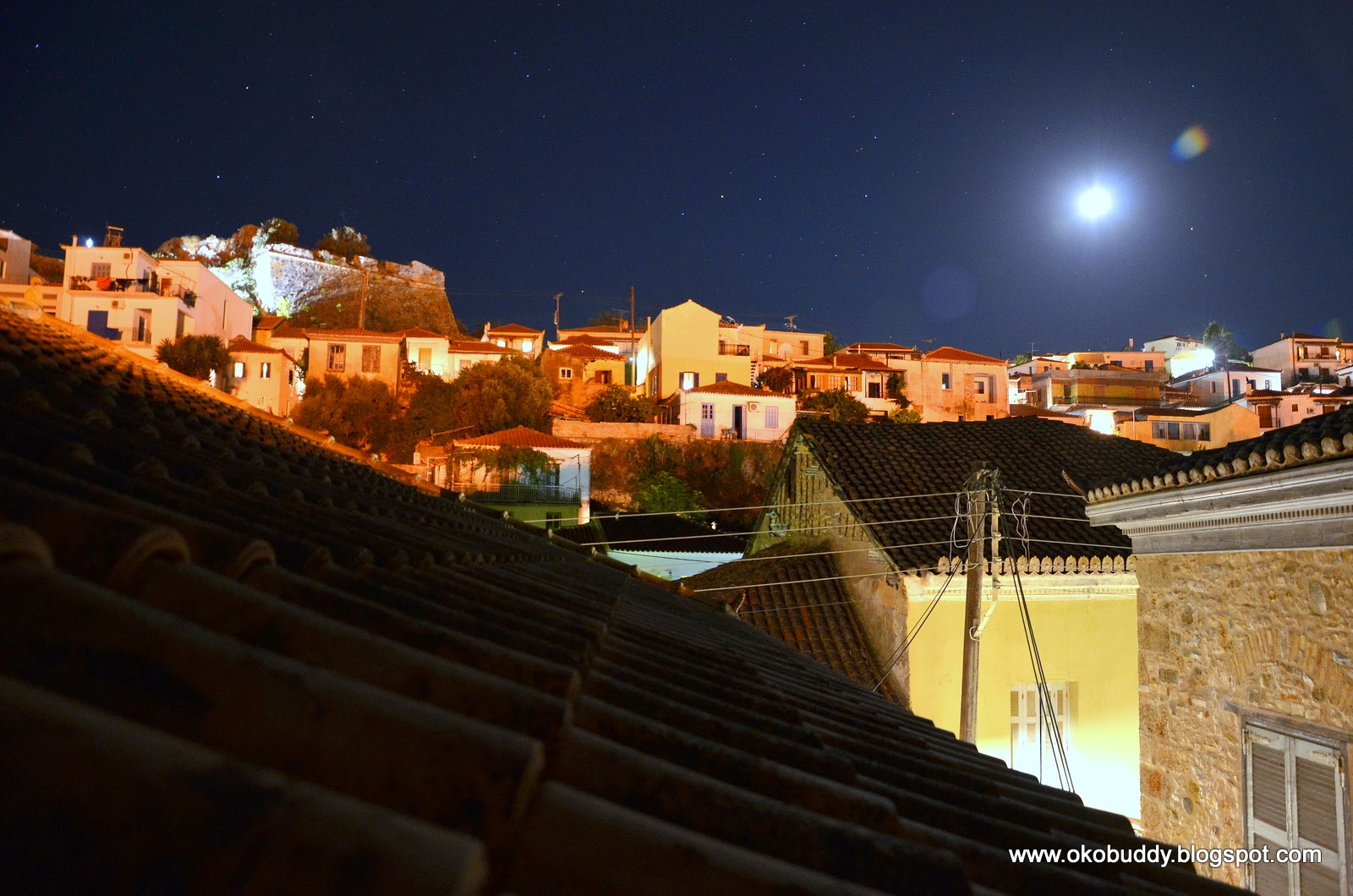
- Explore the alleys of the upper town to discover hidden corners and architecture reminiscent of the Cyclades.
- Walk the entire perimeter of the castle walls at sunset to enjoy the best view over the gulf.
- Visit the small local museum to learn more about the region's archaeological history.
- Take a boat trip to the secluded coves and sea caves along the coast.
- Taste Koroneiki olive oil straight from local producers, considered among the best in the world.
- Take part in one of the local religious festivals to experience authentic Messenian folklore.
Authentic flavors: the gold of Koroni
Koroni's gastronomy is closely tied to the land and the sea. Its star product is the Koroneiki olive, a small variety that is extraordinarily rich in polyphenols, yielding an extra virgin olive oil with an intense, fruity flavor, famous the world over. Local restaurants never lack fresh fish, caught daily in the gulf, and traditional Messenian dishes such as roast pork (gournopoula) or 'lalagia', the crispy fried strips of dough typical of the area. Also not to be missed is the local honey, produced from the wildflowers of the surrounding hills. The cuisine here is simple, based on the excellent quality of the ingredients and respect for the seasons, offering genuine flavors that tell the story of a generous land. A meal in Koroni is not just sustenance, but a convivial ritual that celebrates the fruits of a sun-kissed land.
The surroundings and landscape: between hills and sea
The landscape surrounding Koroni is a harmonious succession of gentle hills planted with olive groves and vineyards, sloping gently down toward a jagged coastline rich in coves. A short distance away lie other gems of the Peloponnese: Finikounda, with its sandy beaches and relaxed atmosphere, and Methoni, with its equally famous Venetian castle jutting out into the sea. The hinterland offers ideal routes for trekking and cycling, allowing you to discover rural villages where time seems to have stood still and small Byzantine churches hidden amid the vegetation. Nature here is lush and Mediterranean, marked by the scents of thyme, rosemary and pine resin. Exploring the surroundings of Koroni means immersing yourself in a rural, authentic Greece, where every bend in the road offers breathtaking views and unexpected encounters with local wildlife.
When to go and how to experience Koroni
The best time to visit Koroni is undoubtedly spring (April-June) or early autumn (September-October). During these months the temperatures are pleasant, nature is in full bloom or offers warm autumn colors, and the town can be enjoyed without the typical crowds of August. Summer is nevertheless splendid for those seeking a seaside holiday, thanks to the constant breeze that tempers the heat. To experience Koroni fully, it is advisable to stay within the historic center or in its immediate vicinity, so you can move around on foot between the harbor and the castle. It is a destination that rewards those who are in no hurry, who love reading a book by the sea, or who happily lose themselves in the alleys in search of the perfect shot. Koroni is not a 'hit and run' place, but a destination that requires listening and contemplation.
FAQ
È possibile visitare il castello di Koroni internamente?
La spiaggia di Zaga è attrezzata?
Quanto tempo serve per visitare Koroni?
È una meta adatta alle famiglie con bambini?
Getting there
- Aeroporto Internazionale di Kalamata (KLX) - 45 km
- Nessuna linea ferroviaria attiva diretta; si consiglia l'autobus KTEL da Atene o Kalamata
- Da Atene prendere l'autostrada A7 verso Kalamata, poi seguire le indicazioni per Pylos/Koroni lungo la strada costiera.
- Noleggiare un'auto è l'opzione migliore per esplorare anche Methoni e Pylos in autonomia.
Perfect for
Un viaggio nel tempo tra fortificazioni veneziane, monasteri bizantini e un centro storico che mescola stili architettonici diversi.
Spiagge dorate come Zaga e Memi, ideali per chi cerca acque pulite e la possibilità di avvistare le tartarughe marine.
La patria dell'oliva Koroneiki offre un'esperienza culinaria basata su olio d'eccellenza e pesce freschissimo.
To see